₹23 ATM charge after five free transactions a month, report says
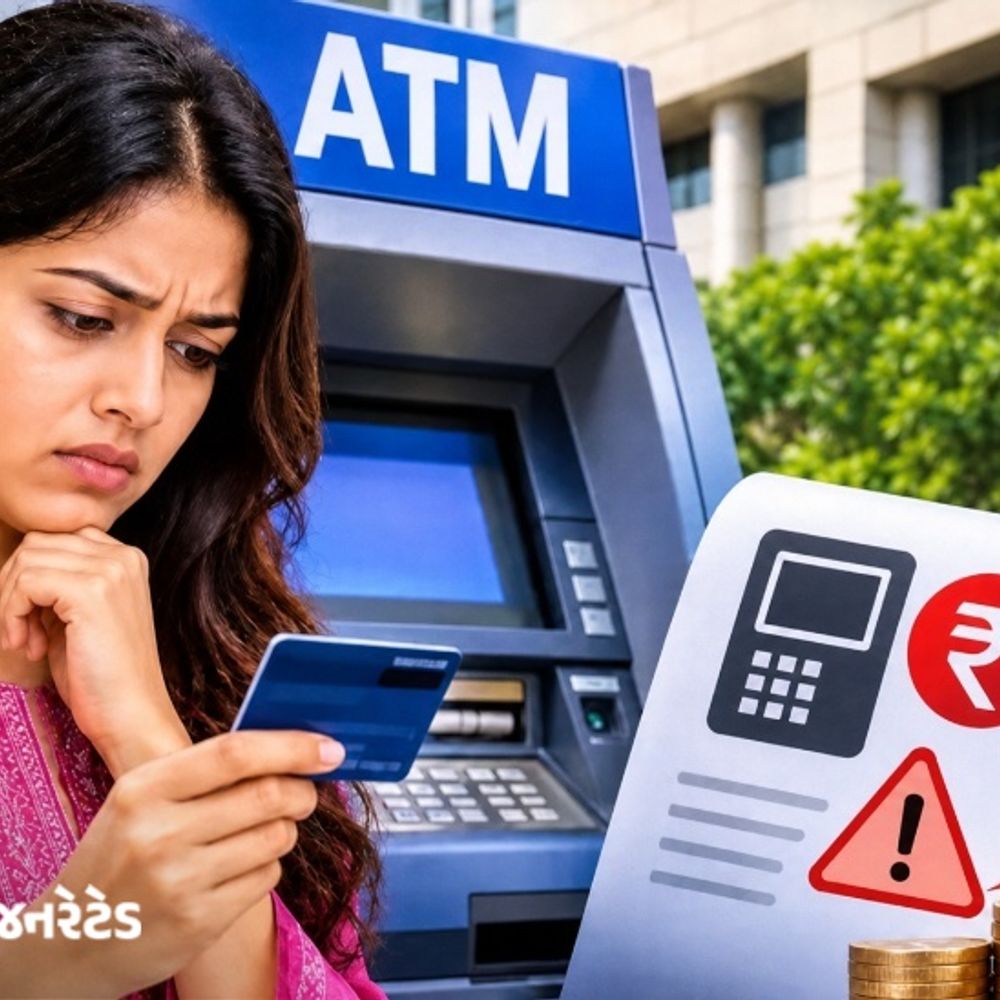
After five free ATM transactions in a month, a ₹23 fee will apply, Divya Bhaskar Business reports. Banks are to warn customers as the limit runs out, and failed transactions will not be charged.
In this piece
A Divya Bhaskar Business report says customers get five free ATM transactions a month before a ₹23 charge. Banks will warn users when that limit is used up. A…
A charge of ₹23 will apply after five free ATM transactions in a month, according to a Divya Bhaskar Business report on cash-withdrawal rules. The account says banks will warn customers when that free monthly limit is used up. It also says a transaction that fails will not be charged.
The Gujarati outlet’s headline sets out three customer-facing points: a monthly allowance of five free ATM transactions, a ₹23 charge once that allowance is finished, and a warning from the bank as the limit is reached. The same headline states that a failed transaction will not draw a fee. No other figures are given in the headline.
In India, the Reserve Bank of India sets the broad framework for how many ATM uses may be offered free and what banks may charge afterward. The Divya Bhaskar report is presented as an update on those cash-withdrawal and transaction-charge rules. Finer conditions are not stated in the headline that carries the ₹23 figure.
The five-transaction allowance is the threshold described for day-to-day use. A customer who stays inside it would not pay the fee in the report. Once the month’s free uses are exhausted, each further transaction covered by the rule would cost ₹23, according to the account.
The warning is meant to surface before a customer crosses that line without noticing. The report says the bank will alert the user that the free limit is complete. How the message will be delivered, whether on the ATM screen, by text, or inside a banking app, is not specified in the headline.
Failed transactions are treated separately from completed ones. If a machine does not complete the request, the report says no charge will be applied. That point matters because a declined withdrawal, a timeout, or a machine that does not dispense cash can otherwise look like a use the customer never received.
The headline does not say whether the five free transactions apply at another bank’s ATMs, at a customer’s own bank, or at every machine. It does not say whether the count differs between large cities and smaller towns, or between savings accounts and other accounts. Distinctions of that kind have appeared in earlier Indian ATM-fee rules, but they are not established by this headline and should not be assumed from it.
For people who withdraw cash often, the fee changes the cost of staying in cash. The ₹23 amount in the report is a flat charge, so it takes a larger share of a small withdrawal than of a large one. Households that visit an ATM many times in a month are the users most likely to meet the cap described.
Customers can limit surprises by watching how many ATM transactions they have already made in the month and by reading any warning the bank shows before they confirm. Under the failed-transaction rule as headlined, an unsuccessful attempt should not add the ₹23 charge. Anyone who sees a fee they do not recognize would need to match the entry against their own bank’s charge schedule.
What happens next depends on how banks apply the stated rule on their machines and in customer messages. The Divya Bhaskar account indicates that a warning will accompany the end of the free limit and that failed attempts stay outside the charge. Dates, account types, and any split between a customer’s own ATMs and other banks would have to come from the bank or from Reserve Bank directions, which the headline does not reproduce.
Primary source: Divya Bhaskar Business. Newzly rewrites and structures source reporting for clarity; verify critical details at the original.