250-year-old Ladakh home finds new purpose as an artist residency
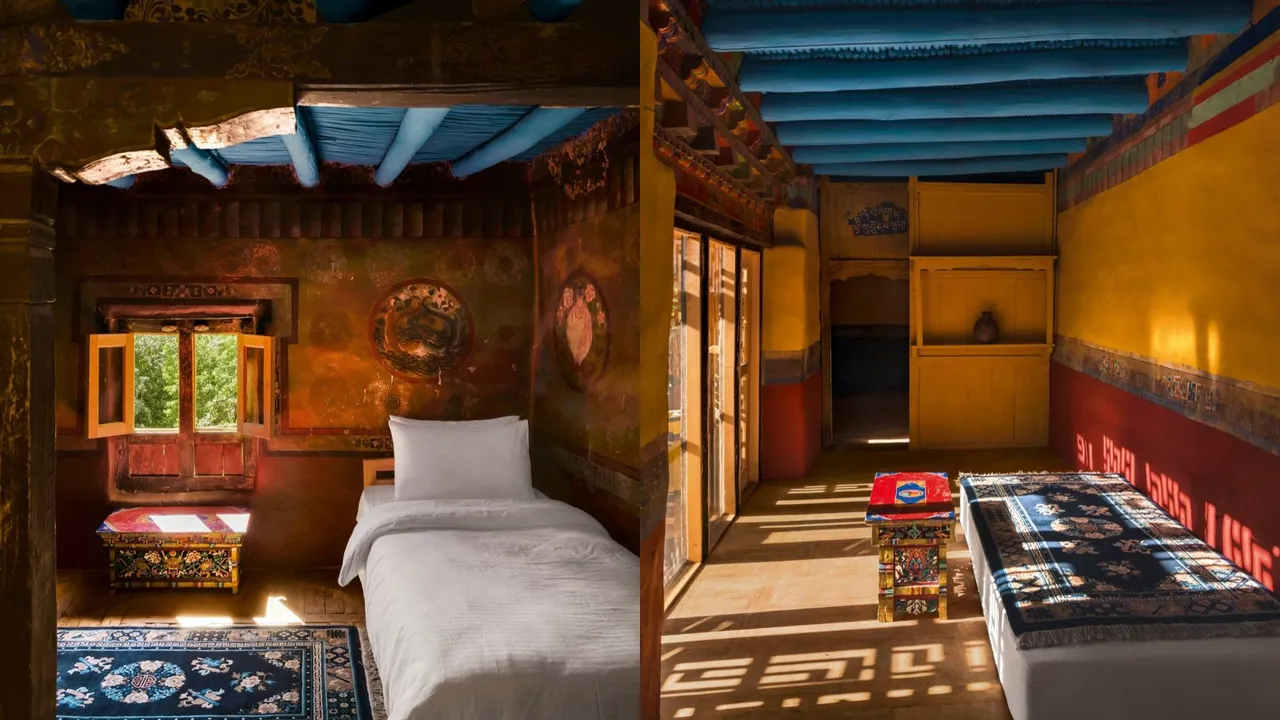
A 250-year-old ancestral home in Ladakh has found a new role as an artist residency, Architectural Digest India reports, bringing a historic domestic property into contemporary cultural use.
In this piece
Architectural Digest India reports that a 250-year-old ancestral home in Ladakh has been repurposed as an artist residency. The project connects an inherited…
A 250-year-old ancestral home in Ladakh has found a new purpose as an artist residency, according to Architectural Digest India. The change gives a building associated with generations of family life a contemporary cultural role, linking its domestic past with a setting intended for artistic work.
The property's age and ancestral character are central to the publication's account, as reflected in its headline. The supplied excerpt does not identify the house by name or specify its location within Ladakh, leaving the broader territory as the only confirmed geographical setting for the project.
Repurposing an existing home differs from creating a residency in a new building: the inherited structure is part of the project's starting point. In this case, the reported change of use places a centuries-old property at the centre of a contemporary initiative rather than treating its history as separate from its new function.
That relationship gives the story significance beyond the introduction of a space for artists. It raises the broader question of how historic homes can remain useful as their functions change, while retaining a connection to the people and circumstances that shaped them. The available excerpt does not establish how that balance was approached here.
An artist residency generally provides a setting for a period of creative work, but the term alone does not establish how a particular programme operates. The supplied material offers no details about accommodation, studio facilities, length of stays or whether artists participate through invitations, applications or another arrangement. Those distinctions matter to understanding the home's practical new role.
The same caution applies to the building itself. Its reported age does not, on its own, establish the condition of its fabric or the extent of any alterations made for the residency. Without the full account, it is not possible to describe restoration methods, architectural materials or the treatment of individual rooms without going beyond the available evidence.
For readers interested in architecture and culture, the confirmed development is the connection between an ancestral property and a new creative use. Whether the residency also involves exhibitions, public access or engagement with nearby communities is not stated in the excerpt. Its existence should therefore not be taken as confirmation of a wider visitor or cultural programme.
The next questions concern how the residency functions and how the historic home will be maintained alongside its new use. Further details from the organisers or the full Architectural Digest India report would be needed to establish those arrangements. For now, the account documents a new chapter for a 250-year-old home in Ladakh.
Primary source: Google News Ladakh. Newzly rewrites and structures source reporting for clarity; verify critical details at the original.