world·Vermont·Bennington County
‘48 Hours’ Investigates How Decades-Old Vermont Murder Case Was Solved
A new '48 Hours' broadcast examines how a father-and-son team of Vermont detectives spent decades pursuing David Morrison to solve the 1986 murder of golf pro Sarah Hunter.
In this piece
CBS news magazine '48 Hours' chronicles the multi-decade investigation into the 1986 killing of Vermont golf pro Sarah Hunter. The broadcast details how a…
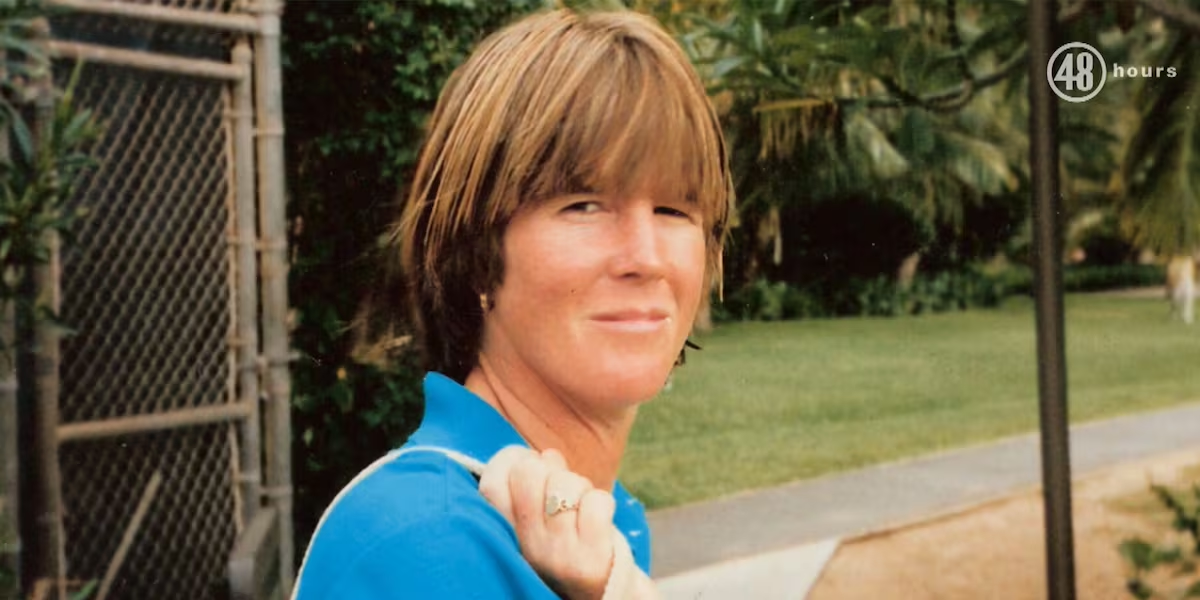
A national television broadcast by CBS news magazine "48 Hours" is examining the decades-long investigation into the 1986 murder of Vermont golf professional Sarah Hunter, tracing how persistent law enforcement work finally resolved the cold case. The investigative special details the disappearance that unsettled the community of Manchester and the multi-generational police effort that eventually secured a confession.
Hunter, a 32-year-old golf pro at Manchester Country Club, disappeared in September 1986 after failing to return home. Her abandoned vehicle was later discovered near a local service station, prompting an extensive regional search across southwestern Vermont. Months later, on Thanksgiving Day, a landowner discovered her remains in a secluded wooded area in neighboring Pawlet, confirming investigators' worst fears.
Early in the inquiry, Vermont State Police identified David Morrison, an attendant who worked at the service station near where Hunter’s car was left, as a primary person of interest. Lead investigator Detective Tom Truex pursued Morrison, but authorities lacked sufficient physical evidence at the time to file formal criminal charges. Without an arrest, the case eventually went cold while Morrison left the state.
Morrison subsequently relocated to California, where in 1988 he was convicted of an unrelated violent kidnapping and attempted murder that resulted in a sentence of 20 years to life. Back in Vermont, detectives kept Hunter's case open, periodically revisiting forensic evidence and reviewing witness statements as analytical techniques advanced. Despite those efforts, earlier attempts to prosecute Morrison stalled, including a 2012 indictment that was dismissed three years later due to evidentiary handling issues.
The investigation gained renewed momentum when Tom Truex’s son, Sam Truex, followed his father into the Vermont State Police and took over the cold case file as a detective. Working across generations, the father and son combined archival investigative knowledge with modern forensic approaches to keep the inquiry alive. Their collaboration reflected a persistent institutional commitment to ensuring Hunter’s death was not forgotten.
The persistence culminated in a legal breakthrough when Morrison, already serving time for his California crimes, formally admitted responsibility for Hunter’s kidnapping and murder. As part of a plea arrangement, Morrison acknowledged killing Hunter and admitted to a separate 1981 abduction in Massachusetts, receiving a sentence of life imprisonment without the possibility of parole.
For the residents of Manchester and the broader Bennington County region, the resolution offered long-delayed accountability for a tragedy that lingered over the community for nearly four decades. Hunter's death had cast a lasting shadow over the resort town, transforming daily routines and leaving colleagues and friends with unresolved grief. The case underscored the emotional toll enduring cold cases place on rural communities where violent crime is historically rare.
The case also illustrates the complex evolution of cold-case methodology within law enforcement agencies nationwide. While early investigative missteps and evidence custody issues initially imperiled the prosecution, long-term case continuity and inter-agency coordination ultimately bridged the evidentiary gaps. Criminal justice analysts note that such generational handoffs between investigators have increasingly become pivotal in resolving decades-old homicides.
The "48 Hours" broadcast brings national attention to both Hunter's life and the investigative dedication that brought her killer to justice. Through interviews with investigators, community members, and legal figures, the feature frames the resolution not merely as a forensic triumph, but as a long-awaited measure of peace for those who remembered Hunter.
Primary source: Google News Vermont. Newzly rewrites and structures source reporting for clarity; verify critical details at the original.