world·Vermont·Bennington County
‘48 Hours’ Investigates How Father-Son Detective Duo Solved 1986 Vermont Cold Case
CBS newsmagazine ‘48 Hours’ explores how a retired Vermont State Police detective and his investigator son teamed up to extract a confession in the 1986 cold case murder of Sarah Hunter.
In this piece
The CBS program ‘48 Hours’ examines the breakthrough in the 1986 murder of Vermont golf pro Sarah Hunter. A father-and-son detective duo traveled to California…
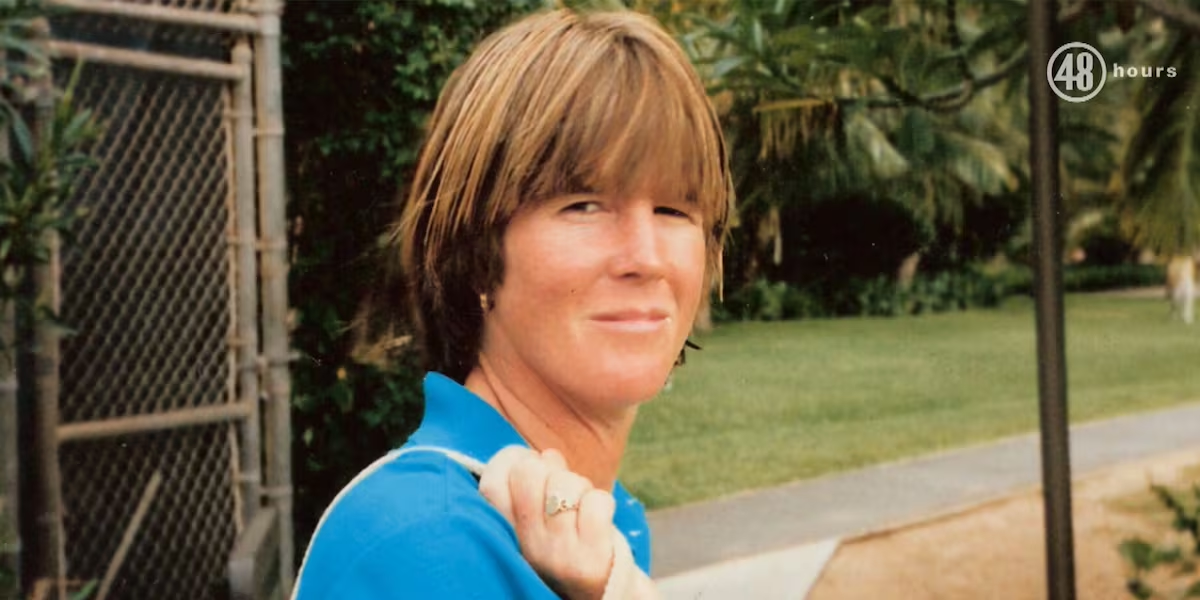
CBS newsmagazine “48 Hours” is examining the resolution of a nearly four-decade-old Vermont cold case that gripped New England investigators for generations. The national broadcast highlights the 1986 murder of Sarah Hunter, a 32-year-old golf professional whose disappearance and death remained unsolved for thirty-eight years. The episode details how an unprecedented father-and-son detective partnership within the Vermont State Police ultimately cracked the longstanding mystery.
Hunter vanished in September 1986 after leaving a restaurant in Manchester, Vermont, sparking an exhaustive statewide search. Two months later, hunters discovered her remains in a secluded wooded area in the neighboring rural community of Pawlet on Thanksgiving Day. The discovery transitioned the search into a homicide investigation, but initial forensic tools and limited physical evidence left authorities without sufficient grounds to file criminal charges.
At the time of the original investigation, Vermont State Police Detective Tom Truex served as the lead investigator on the case. Truex quickly developed suspicion around David Morrison, who had been working at a nearby service station close to where Hunter’s abandoned vehicle was recovered. Despite conducting multiple interviews and pursuing extensive leads, investigators could not establish the definitive evidence required to bring an indictment.
The investigation eventually stalled, leaving the file active but cold as decades passed and personnel transitioned through the state police ranks. The case, however, remained an enduring priority for Tom Truex, who kept personal notes and files on Hunter’s murder long after his eventual retirement from law enforcement. The unresolved homicide cast a persistent shadow over the local community and the victim’s surviving family.
A breakthrough began to take shape when Tom Truex’s son, Sam Truex, became a detective with the Vermont State Police and took over the cold case unit assignment. Armed with his father’s extensive institutional knowledge and modernized investigative strategies, Detective Sergeant Sam Truex revisited the primary suspect who had evaded arrest since the mid-1980s. The generational transition created a unique opportunity to re-examine the historical files with both continuity and fresh analytical focus.
In early 2024, the father and son traveled across the country to California, where Morrison had relocated and lived for decades. Leveraging both the veteran investigator’s historical recall and the younger detective’s modern interrogation techniques, the pair confronted Morrison directly about the 1986 encounter. The sustained questioning culminated in a full confession from Morrison, who admitted to killing Hunter nearly forty years after the crime occurred.
Following the confession, Morrison formally pleaded guilty in Vermont court in connection with Hunter’s abduction and death, providing definitive legal closure to the case. The resolution underscored the growing importance of combining generational law enforcement persistence with contemporary interview methodologies in tackling decades-old crimes. For cold case units across the country, the success in Vermont demonstrates that unsolved homicides can still yield accountability even as witnesses age and decades elapse.
The “48 Hours” broadcast, reported by correspondent Anne-Marie Green, features comprehensive interviews with both Truex detectives, prosecutors, and individuals close to the investigation. The program documents the emotional toll cold cases inflict on families and communities while examining the broader implications for unsolved violent crimes in northern New England. Legal observers and law enforcement officials anticipate the case study will serve as a prominent blueprint for re-engaging aging suspects in long-dormant homicide investigations nationwide.
Primary source: Google News Vermont. Newzly rewrites and structures source reporting for clarity; verify critical details at the original.