AI cameras and farm apps reshape farming in Northern Ireland
Northern Ireland farmers are using artificial intelligence, robotic milking and digital records to monitor livestock and reduce routine work, with better rural connectivity helping underpin the shift.
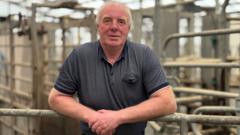
Artificial intelligence cameras, robotic milking machines and livestock-management apps are changing daily work on farms in Northern Ireland. Farmers interviewed by BBC News described using technology to monitor cattle remotely and automate tasks that previously demanded substantial hands-on time.
Near Islandmagee in County Antrim, George McMaster now monitors a 300-cow herd with help from the CattleEye system, the BBC reported. His farming career began with eight cows milked by hand, illustrating the scale of the technological change within one working lifetime.
CattleEye says its software identifies individual animals from their body shape and coat patterns as they pass beneath standard cameras at the milking-parlour exit. It tracks mobility and body condition, producing alerts and management lists intended to help farmers identify animals needing attention.
The company describes the system as a way to make observation more consistent, with daily scores and longer-term trends available to farm managers. Rather than relying only on an occasional assessment, farmers can review changes in an animal's movement over time and decide which cows require closer examination.
The technology also has a research background in Northern Ireland. Queen's University Belfast describes a knowledge-transfer partnership with CattleEye that brought expertise in video analytics and vision systems into the development of automated livestock monitoring. The project's aim included turning footage into animal identification and mobility information that farmers could act on.
Elsewhere, automation is changing the milking routine itself. The BBC reported that Caleb Howard, who farms near Coagh in County Tyrone, uses a robotic machine that allows his 90 Jersey cows to enter for milking without being gathered at fixed times. He also credited improved broadband with helping him operate a farm shop with electronic payments.
Digital administration represents another part of the shift. Near Randalstown in County Antrim, farmer Robert Smyth told the BBC that FarmDrive had reduced repeated handwritten recordkeeping and made inspection reports easier to retrieve. The practical benefit is access to information where work happens, rather than having to transfer notes to an office later.
FarmDrive's own product information lists individual animal profiles, medicine records, feed tracking and breeding-management functions among its tools. It also says users can record information offline, allowing data entry to continue in places without an internet connection. Those features address both administrative workload and the uneven connectivity that can complicate rural technology use.
The distinction between useful information and autonomous decision-making remains important. FarmDrive developer Gareth McDonald told the BBC that the software should support farmers with timely information, not make decisions for them. Camera alerts and organised records can direct attention, but their value depends on how farmers use the information in managing their animals and businesses.
The next phase, as described by the developers and farmers, is about making existing information more useful alongside further automation. Their accounts point toward farming in which digital systems handle more monitoring and paperwork, while people retain responsibility for interpreting results and deciding what happens next.
Primary source: BBC Science. Newzly rewrites and structures source reporting for clarity; verify critical details at the original.