AIIMS Delhi Performs Landmark In-Utero Surgery to Repair Severe Spinal Defect in Unborn Baby
Surgeons at the All India Institute of Medical Sciences in New Delhi have performed India's first open foetal surgery on a 25-week-old unborn baby to repair a severe neural tube defect and prevent irreversible nerve damage.
In this piece
Surgeons at AIIMS New Delhi have conducted India's first open foetal surgery to correct a severe spinal defect in a 25-week-old unborn baby. The six-hour…
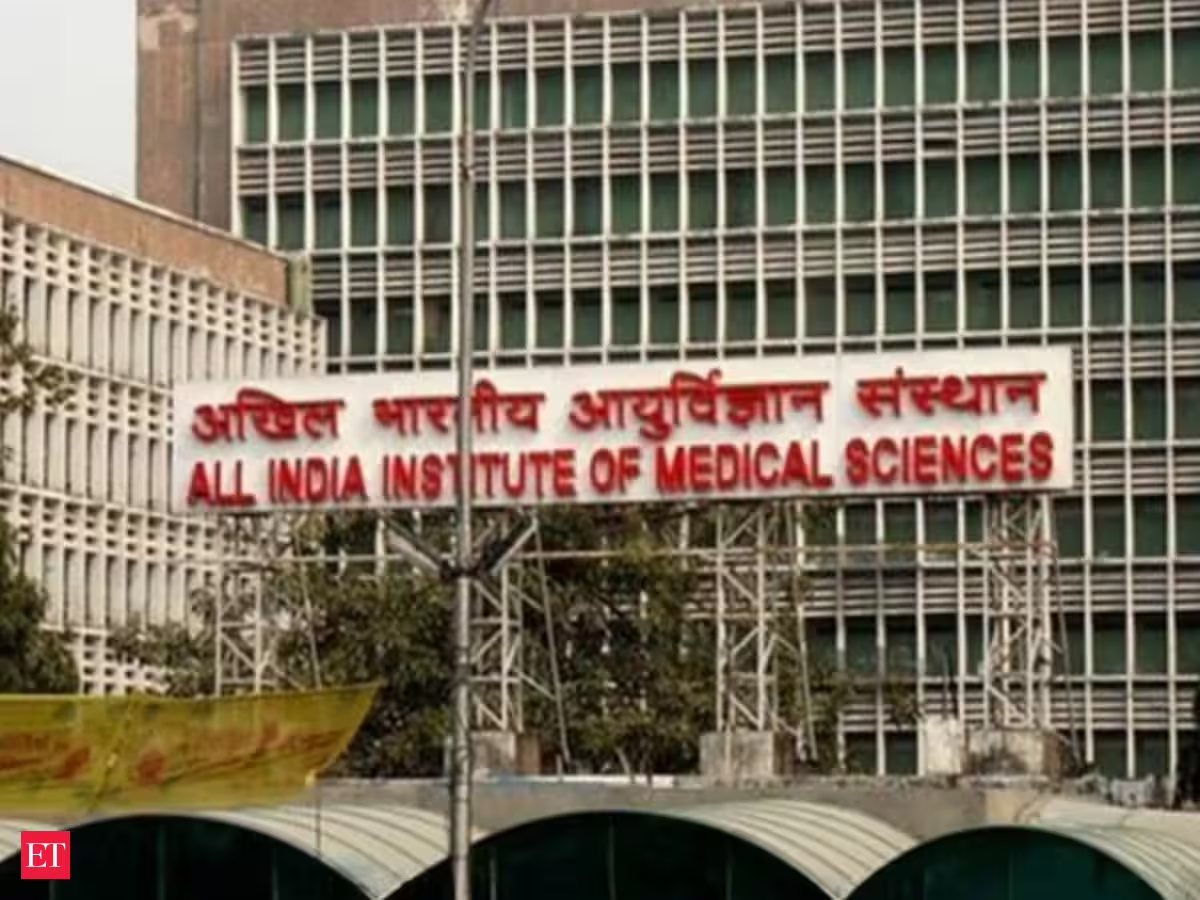
A multidisciplinary surgical team at the All India Institute of Medical Sciences in New Delhi has successfully conducted the country's first open foetal surgery to treat a severe spinal condition in an unborn baby. The complex six-hour procedure was carried out at the AIIMS Neurosciences Centre on a foetus at 25 weeks of gestation. Doctors repaired an open spinal defect while the baby remained inside the mother's uterus, marking a historic milestone for maternal-foetal medicine in India.
The unborn child had been diagnosed with lumbosacral myelomeningocele, the most severe presentation of spina bifida. This neural tube abnormality leaves an opening along the lower spinal column, causing the spinal cord and its protective coverings to protrude outward. Without prenatal intervention, continuous exposure to amniotic fluid and intrauterine trauma can inflict irreversible damage on vulnerable nerve tissue before delivery.
During the surgery, clinicians closed the cerebrospinal-fluid-leaking defect using advanced micro-surgical equipment and continuous high-end ultrasonography guidance. Operating through an incision in the mother's abdomen and uterus, the surgical team delicately reconstructed the tissue layers protecting the fragile spinal cord. High-power microscopes enabled the specialists to navigate minute anatomical structures without compromising the pregnancy.
The high-risk intervention required the coordinated expertise of more than 30 healthcare specialists across multiple medical disciplines. The team included neurosurgeons, maternal-foetal medicine experts, obstetricians, plastic surgeons, radiodiagnosticians, and neonatologists. In addition, specialized obstetric and neuroanaesthesia teams maintained meticulous physiological monitoring of both the mother and the unborn infant throughout the operation.
Traditionally, infants born with myelomeningocele undergo corrective surgery only after delivery, often after significant neurological impairment has already occurred in the womb. Operating mid-pregnancy is designed to arrest ongoing harm and prevent further deterioration of spinal nerve roots. AIIMS clinicians emphasized that while the surgery does not cure spina bifida, it can significantly alter the trajectory of long-term disability.
Correcting the defect before birth offers major developmental advantages, including a reduced incidence of hindbrain herniation and a decreased likelihood of developing hydrocephalus. By stemming the loss of spinal fluid, the procedure helps preserve natural brain positioning and reduces the future need for fluid-diverting cerebral shunts. Studies and clinical experience suggest early intervention also enhances lower-limb mobility and increases the probability of independent walking later in childhood.
The procedure was carried out under the Government of India's Janani Shishu Suraksha Karyakram, ensuring the family received the advanced medical care free of cost. Hospital authorities noted that making complex foetal interventions available through public health programs expands access to specialized treatments that are otherwise financially prohibitive for many families.
Following the landmark intervention, both the mother and the foetus were reported to be in stable condition and recovering under round-the-clock multidisciplinary monitoring. Medical teams will continue to track the pregnancy through serial ultrasound assessments to observe foetal growth, neurological markers, and maternal healing. Specialists hope the milestone establishes a pathway for performing in-utero surgical repairs more widely across specialized tertiary care institutions in India.
Primary source: Economic Times. Newzly rewrites and structures source reporting for clarity; verify critical details at the original.