world·Haryana·Faridabad District
Inside Al-Falah University After Blast Probe: Sealed Rooms and Placement Woes
Months after federal investigators linked campus personnel to the Delhi blast conspiracy, Al-Falah University in Faridabad faces lingering fallout, with sealed quarters and graduating students reporting severe employment hurdles.
In this piece
A ground assessment at Al-Falah University in Faridabad highlights the enduring stigma following federal terror inquiries linked to the Delhi car bombing. While…
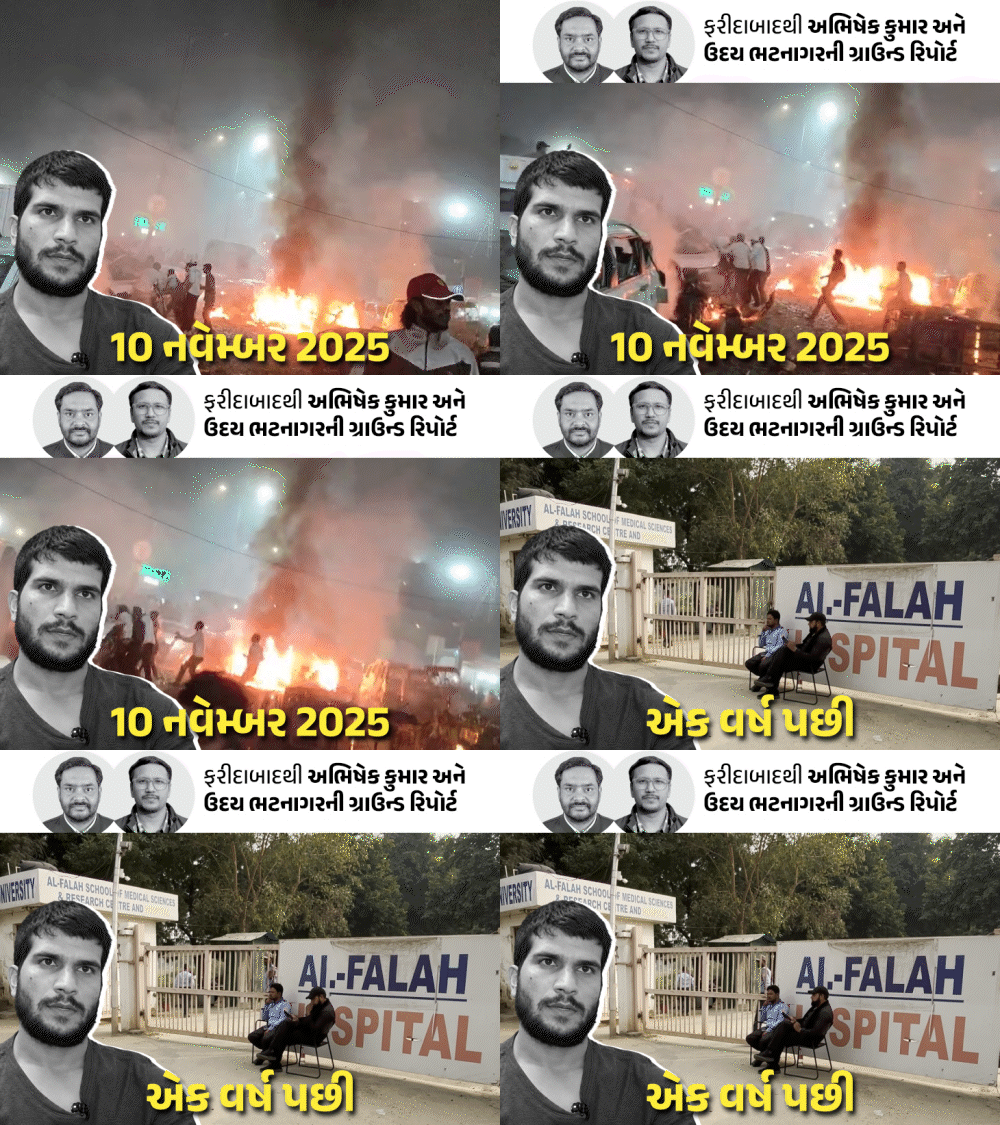
Months after federal counterterrorism investigators linked staff members to the Delhi car explosion, Al-Falah University in Haryana's Faridabad district continues to grapple with the shadow of the probe. Campus life remains constrained under heightened vigilance, with residential quarters tied to accused medical professionals still cordoned off and legally sealed by authorities.
The inquiry gained national attention following the November 2025 car explosion near Delhi's historic Red Fort, which triggered an expansive multi-agency counterterror investigation. Subsequent raids by the National Investigation Agency identified several faculty and medical staff affiliated with the university's hospital as persons of interest in an alleged covert network.
Federal teams previously searched hostel facilities and faculty accommodations on the Dhauj campus, cordoning off rooms associated with suspects including Dr. Muzammil Shakeel Ganaie and Dr. Umar-un-Nabi. Investigators recovered substantial cash reserves, encrypted records, and operational notes during the multi-day raids, leading to formal sealing orders that remain intact today.
The lingering institutional stigma has created severe repercussions for enrolled students, particularly those pursuing medical, engineering, and undergraduate degrees. Senior students report encountering immediate skepticism during recruitment drives and off-campus interviews, claiming prospective employers routinely reject applicants bearing credentials from the tainted institution.
Several final-year students note that on-campus hiring drives have dwindled significantly since central enforcement bodies launched their inquiries. In multiple instances, hospital networks and corporate recruiters have rescinded preliminary interview schedules, leaving hundreds of graduates uncertain about their professional prospects and internship accreditations.
Parents and student delegations have repeatedly expressed frustration over the collateral damage inflicted upon blameless scholars. Many families have petitioned educational authorities for facilitated institutional transfers, arguing that the alleged misconduct of individual staff members should not derail the academic trajectory of innocent youth.
Beyond the counterterrorism investigation, the institution has confronted severe regulatory and financial scrutiny. The Enforcement Directorate launched a parallel money-laundering inquiry into the trust managing the university, examining faculty recruitment procedures, payroll inconsistencies, and compliance with statutory medical council guidelines.
Financial investigators previously highlighted that certain medical professionals were hired without comprehensive police verification protocols, allegedly to fulfill mandatory staffing ratios on paper. Central agencies subsequently moved to provisionally attach substantial institutional assets, including land parcels and campus infrastructure valued in the tens of millions of dollars.
University administrators have continued to maintain that the institution operates as a legitimate educational center and that the accused individuals acted strictly in an individual capacity. The management has emphasized its full cooperation with state and federal agencies, asserting that campus facilities and scientific laboratories were dedicated solely to academic training.
State authorities have stepped in to stabilize administrative oversight and oversee academic governance while investigations run their course. Legal observers and student advocates note that clearing the campus of reputational damage will depend on regulatory resolutions, judicial findings, and institutional restructuring aimed at safeguarding genuine academic credentials.
Primary source: Divya Bhaskar Original. Newzly rewrites and structures source reporting for clarity; verify critical details at the original.