Alleged Chinese Military Airspace Incursion Over Sikkim Triggers Political Row in India
Reports of a Chinese military aircraft allegedly entering airspace over Sikkim have triggered a sharp political clash in New Delhi, prompting opposition leaders to demand transparency from the Modi government.
In this piece
Reports of an alleged Chinese military aircraft entering Indian airspace over Sikkim have sparked a major political dispute in India. The opposition Congress…
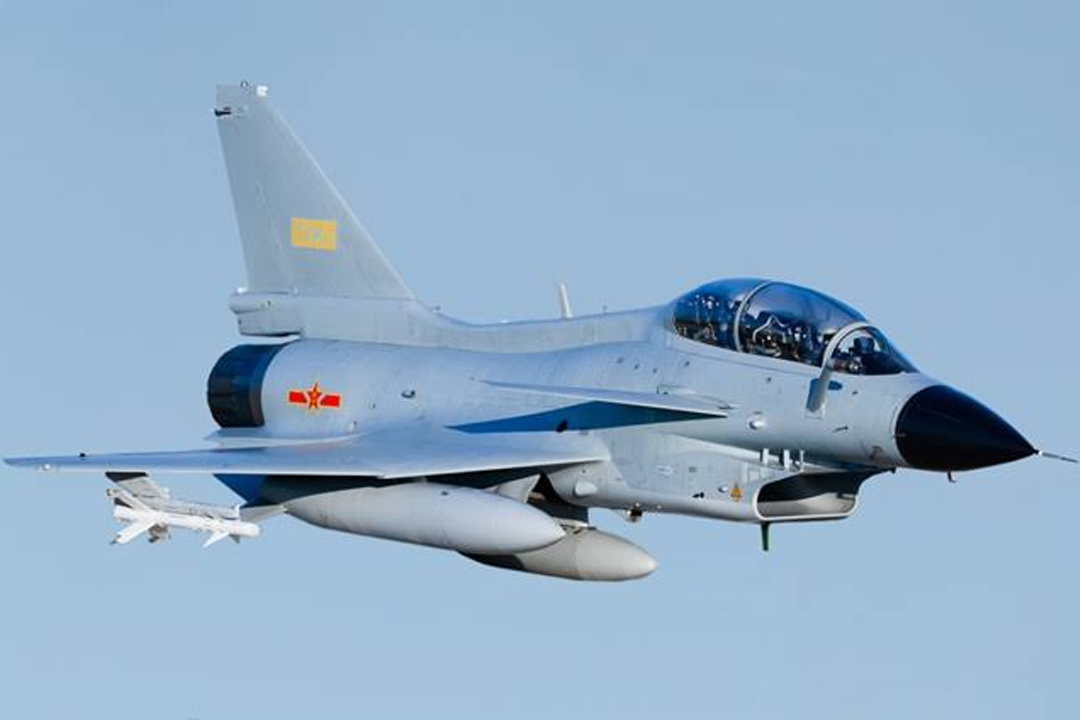
Reports of an alleged airspace violation by a Chinese military aircraft over the sensitive Sikkim sector have ignited a major political controversy in India. According to media reports citing defense sources, an unidentified Chinese military aircraft was detected operating near the border in the Sikkim region on the morning of November 12. The alleged breach immediately raised security alarms, drawing sharp scrutiny from defense observers and political leaders alike.
The aircraft reportedly entered the area at an altitude of approximately 25,000 feet around 8:00 AM and remained airborne in the sector for roughly 20 to 25 minutes. During this period, the Indian Air Force reportedly monitored the movement and issued repeated radio warnings, instructing the aircraft to exit the airspace and return to Chinese territory. The aircraft eventually disengaged from the area, though details regarding its specific model and flight path remain unverified.
As of now, neither the Indian Air Force nor the Ministry of Defence has released an official statement confirming or denying the alleged airspace intrusion. The lack of formal verification from military authorities in New Delhi has left key operational details clouded in uncertainty. Officials familiar with standard operating procedures noted that border airspace activities are routinely tracked by high-altitude radars across the northern frontier.
The reports quickly triggered fierce political blowback in New Delhi, where the opposition Indian National Congress seized on the news to target Prime Minister Narendra Modi's administration. Senior Congress leaders publicly questioned the government's border management and defense posture along the Line of Actual Control. The party accused the ruling leadership of downplaying recurring Chinese provocations and demanded immediate transparency regarding what transpired over Sikkim.
In strongly worded public statements, Congress officials referenced past border frictions, asking whether the central government would once again attempt to minimize territorial concerns. Party spokespersons argued that silence or ambiguity regarding potential incursions sends the wrong message to Beijing and compromises national security. They pressed the Ministry of Defence to clarify whether Chinese aircraft had crossed into Indian sovereign airspace and what diplomatic or military countermeasures were taken.
The timing and location of the reported incident carry profound strategic weight for India's defense establishment. Sikkim borders both Tibet and the sensitive Chumbi Valley, lying in close proximity to the vital Siliguri Corridor, often referred to as the Chicken's Neck. This narrow 22-kilometer strip of land links mainland India to the northeastern states, making any aerial surveillance or military posturing in adjacent airspace particularly sensitive.
The development comes against the backdrop of intricate and prolonged military diplomacy between India and China aimed at easing tensions along their shared frontier. While both countries recently reached understandings regarding patrolling protocols in specific eastern Ladakh friction points, mutual suspicion and heavy military deployments persist along the eastern border. Analysts have long warned that aerial activity near eastern border sectors could test existing border peace protocols.
Under existing bilateral agreements and confidence-building measures, both nations are obligated to avoid flying combat aircraft within 10 kilometers of the Line of Actual Control unless prior notification is provided. Breaches or aggressive aerial maneuvering near border zones risk triggering rapid scrambling of interceptor jets and escalating localized friction. While both sides maintain advanced radar networks along the Himalayas, unannounced maneuvers frequently lead to diplomatic protest notes.
Moving forward, pressure is mounting on the central government and military leadership to issue a definitive clarification regarding the incident. Strategic analysts emphasize that without transparent communication, unconfirmed reports of airspace breaches risk fueling public speculation and political polarization. Whether New Delhi raises the matter through established military hotlines or diplomatic channels with Beijing remains closely watched by security experts.
Primary source: Google News Sikkim. Newzly rewrites and structures source reporting for clarity; verify critical details at the original.