Amy Poehler Unearths Ancient Mystery in Peacock Archaeology Comedy 'Dig'
Co-created with Michael Schur and based on Kate Myers' novel 'Excavations,' Peacock's new ten-episode comedy 'Dig' follows Amy Poehler as an archaeologist in Greece navigating a major discovery and institutional intrigue.
In this piece
Amy Poehler and Michael Schur have teamed up for 'Dig,' a ten-episode Peacock comedy based on Kate Myers' 2023 novel 'Excavations.' The series stars Poehler as…
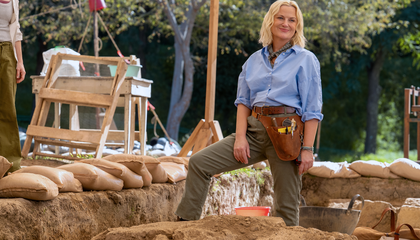
Peacock has debuted its new archaeology-centered comedy series "Dig," starring Amy Poehler as an archaeologist who uncovers a monumental ancient statue in Greece. Co-created with longtime collaborator Michael Schur, the ten-episode project released all of its installments on November 23. The premiere marks a notable shift into classical field research for the creative team behind several hallmark television comedies.
The television series is adapted from author Kate Myers' 2023 novel "Excavations," which drew from her own real-world background working at an archaeological dig in Greece. In the adaptation, Poehler portrays Elise, a seasoned researcher navigating the daily rigors and bureaucratic politics of a university-sponsored excavation site. When an extraordinary ancient artifact emerges from the dirt, the discovery sets off an escalating chain of events that pulls the field team into broader international intrigue.
Alongside Poehler, the ensemble cast brings together seasoned performers to populate the excavation camp and university orbit. The narrative blends the academic pressures of field research with character-driven mystery as the crew confronts the high-stakes consequences of their unexpected find. While the show leans into comedic beats, it grounds the central conflict in the intense atmosphere that defines extended seasonal digs abroad.
Archaeology has long occupied a peculiar space in popular entertainment, frequently exaggerated into treasure hunting rather than methodical scientific study. From blockbuster adventure franchises to serialized television dramas, screen depictions often sideline meticulous artifact documentation, labor-intensive troweling, and strict preservation protocols in favor of immediate spectacle. With "Dig," the focus shifts closer to the communal workplace dynamics and academic friction that characterize modern excavations.
For real-world scholars and field specialists, television portrayals of archaeological work typically invite both interest and professional scrutiny. Experts frequently observe that authentic excavations involve months of painstaking sifting, detailed cataloging, and precise measurements rather than rapid cinematic discoveries. How accurately "Dig" reflects the ethical standards, legal export frameworks, and preservation practices of classical Greek archaeology remains a key discussion point among academic observers.
Schur and Poehler have established a reputation for finding humor and warmth in underappreciated, process-heavy institutions. By situating their narrative inside an academic field project, the creators examine the interpersonal tensions and shared dedication among researchers isolated in close quarters for weeks at a time. The comedic framing highlights the unglamorous day-to-day realities of camp life alongside the sudden thrill of uncovering antiquity.
The premise of an extraordinary Greek statue also brushes against timely cultural debates surrounding historical antiquities and heritage management. Real-world discoveries in Mediterranean nations operate under rigorous governmental oversight and strict cultural property statutes designed to combat illicit trafficking. While "Dig" uses the find to drive its fictional narrative engine, the underlying themes touch upon legitimate concerns regarding artifact stewardship and institutional responsibility.
The release provides streaming audiences with a distinct blend of scholarly setting and serialized mystery. Viewers familiar with Myers' original novel can track how faithfully the adaptation translates the book's specialized field atmosphere onto the screen. Meanwhile, television critics and comedy fans are evaluating whether the unconventional historical backdrop provides fresh narrative ground for Poehler's comedic instincts.
With all ten episodes now streaming on Peacock, the series invites both comedy enthusiasts and historical enthusiasts to evaluate its interpretation of fieldwork. The show's ultimate legacy among practitioners will likely hinge on whether it successfully balances narrative license with respect for the archaeological discipline. As audiences finish the inaugural season, discussions among historians, fieldworkers, and television viewers will continue to measure the fictional dig against the reality of the trench.
Primary source: Smithsonian History. Newzly rewrites and structures source reporting for clarity; verify critical details at the original.