world·Andaman and Nicobar Islands
Andaman and Nicobar to Add Undersea Cable Network and 4G in 87 Villages
India is set to expand digital connectivity across the Andaman and Nicobar Islands by laying a second undersea fiber-optic cable and deploying 4G mobile network coverage to 87 remote villages.
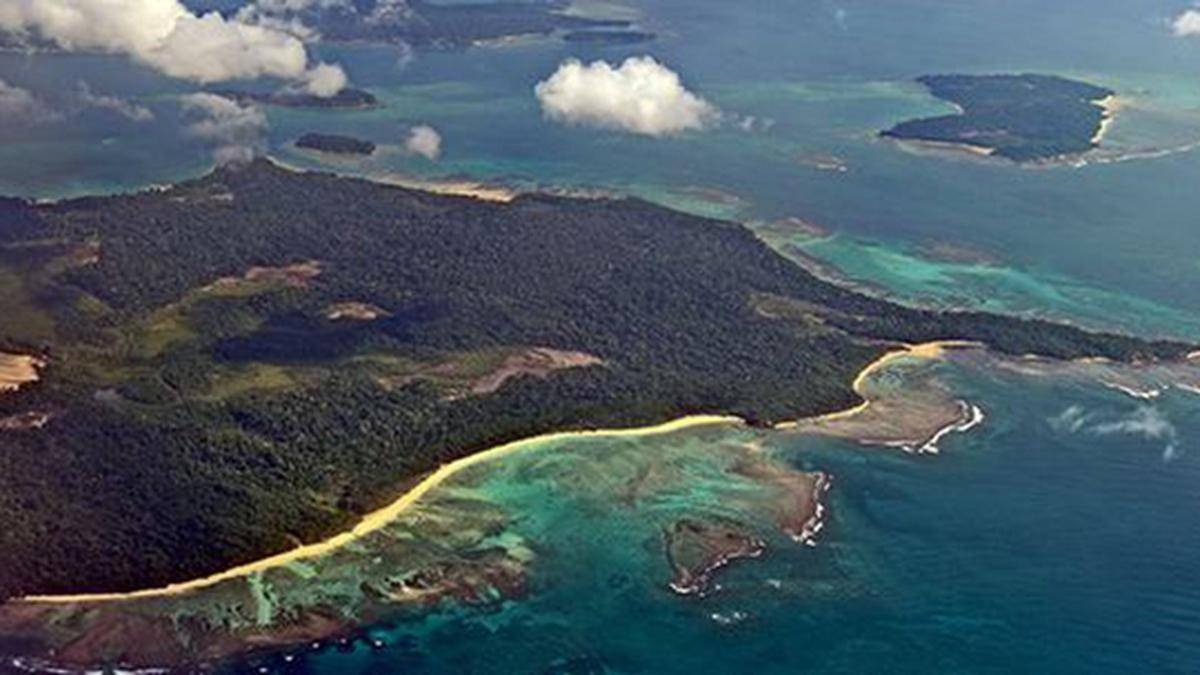
In this piece
The Indian government is moving ahead with plans to lay a new undersea optical fiber cable linking Puri in Odisha to eight remote Andaman and Nicobar islands.…
The Indian government and the Andaman and Nicobar administration are advancing plans to bolster digital connectivity across the archipelago through a new undersea optical fiber cable network and expanded mobile coverage. Under the initiative, 87 previously uncovered island villages have been prioritized for high-speed 4G mobile infrastructure. The project represents a coordinated push to eliminate persistent digital blind spots in one of the country's most geographically dispersed regions.
Central to the telecom upgrade is the proposed Port Alternative Network for Islands, known as the PANI project. The planned submarine communications cable will originate from Puri on the Odisha coast and run across the Bay of Bengal to terminate across eight outlying islands. The designated landing points include Diglipur, Mayabunder, Shaheed Dweep, Chowra, Teressa, Katchal, Nancowry, and Little Nicobar.
The new route is designed to provide vital network redundancy for the archipelago's communications infrastructure. The islands currently rely on the Chennai-Andaman and Nicobar Islands submarine cable system, which was commissioned in 2020 to deliver high-speed bandwidth from mainland India. By establishing an independent connection via Odisha, telecom authorities aim to safeguard against service disruptions caused by undersea cable faults, natural hazards, or routine maintenance on the primary link.
In tandem with the subsea backbone, authorities are rolling out cellular coverage to 87 remote settlements under the central government's Digital Bharat Nidhi 4G saturation scheme. The targeted habitations have been selected based on local population thresholds to ensure public funding bridges connectivity gaps in hard-to-reach terrain. The scheme focuses on establishing mobile towers capable of delivering reliable wireless data and voice connectivity to long-underserved communities.
The telecommunications drive also includes accelerated work under the BharatNet initiative to provide last-mile digital access. Project plans call for expanding fiber-to-the-home broadband connections to remaining unconnected villages and local tribal councils. By linking local institutions, schools, and health centers directly to high-capacity optical fiber, authorities intend to bring remote civic infrastructure onto modern networks.
Improved high-speed connectivity is widely viewed as essential for economic and social development across the Andaman and Nicobar chain. Reliable internet access is expected to improve access to telemedicine, facilitate remote schooling, and enable seamless delivery of government welfare payments and digital public services. In addition, dependable communications infrastructure is critical for the local tourism and fisheries sectors, which depend on weather warnings and market updates.
Beyond community welfare, the telecommunications expansion carries significant strategic value for India. The Andaman and Nicobar Islands occupy a critical maritime crossroads overlooking key sea lanes in the eastern Indian Ocean and Malacca Strait. Strengthening the islands' core civilian infrastructure enhances administrative responsiveness, disaster management capabilities, and regional monitoring during weather emergencies such as cyclones.
Deploying digital infrastructure across an island territory poses steep logistical hurdles. Laying submarine cables demands specialized vessels and deep-water surveys, while installing telecom towers on isolated islands requires transporting heavy equipment by sea and securing steady power sources. Officials acknowledge that environmental considerations, dense forest cover, and monsoon conditions often complicate implementation schedules across remote island groups.
Work on the PANI undersea cable network and village 4G deployment is slated to progress in phases as technical clearances and procurement processes wrap up. Telecom agencies will monitor rollout milestones to ensure local tribal councils and village communities receive functional service without extended delays. If executed on schedule, the combined infrastructure investments will establish the most resilient communications corridor the island territory has ever had.
Primary source: Google News Andaman and Nicobar Islands. Newzly rewrites and structures source reporting for clarity; verify critical details at the original.