Andhra Pradesh Braces for Third Cyclonic Storm in a Month After Arnab and Murasu
After enduring back-to-back strikes from Cyclones Arnab and Murasu, Andhra Pradesh is on alert for a third tropical storm in less than a month. The India Meteorological Department warned of another brewing system over the Bay of Bengal.
In this piece
Andhra Pradesh is bracing for a third cyclonic storm in less than a month after Cyclones Arnab and Murasu caused widespread damage. The India Meteorological…
Andhra Pradesh is on high alert as meteorological authorities monitor a fresh atmospheric disturbance over the Bay of Bengal, threatening coastal areas with a third cyclonic storm in less than a month. The India Meteorological Department flagged the low-pressure system as it showed signs of swift consolidation, warning of widespread rainfall and dangerous gale-force winds along vulnerable coastal belts.
The impending storm follows back-to-back strikes from two major weather systems that crossed the state's shoreline within days of each other. Very Severe Cyclonic Storm Arnab made landfall near Narsapuram in late October, followed shortly after by Severe Cyclonic Storm Murasu, which struck near Ongole in early November. Both systems unleashed torrential downpours that inundated low-lying areas and tested regional drainage infrastructure.
Meteorologists emphasize that experiencing three consecutive cyclonic systems hitting the Andhra coastline within such a brief window represents an extraordinary climatological anomaly. Historical data maintained by weather authorities indicate that such a concentrated cluster of cyclonic landfalls in the state has not been recorded since 1970.
The earlier storms have already inflicted severe economic pain across agricultural heartlands in coastal districts. Extensive flooding and persistent gale-force winds submerged standing paddy crops, uprooted commercial horticulture plantations, and waterlogged hundreds of thousands of hectares of fertile farmland right as farmers prepared for seasonal harvesting.
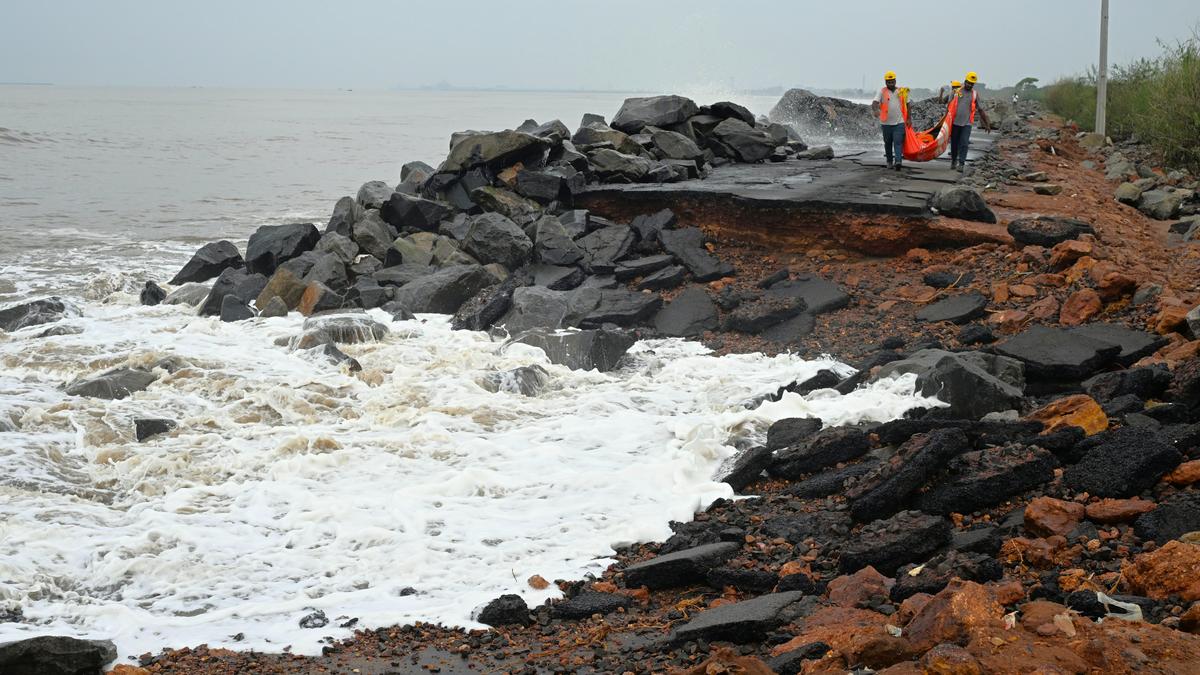
Beyond agricultural devastation, rural road networks, irrigation bunds, and power distribution grids suffered widespread damage across multiple coastal zones. Utility crews have worked under difficult conditions to restore electricity and clear debris, but persistently saturated soil and breached canal embankments leave several villages exposed to renewed flooding.
Disaster management officials noted that timely evacuations and technology-assisted monitoring helped prevent major loss of life during both Arnab and Murasu. Emergency response teams moved tens of thousands of residents from low-lying coastal villages into cyclone shelters ahead of the previous landfalls, preventing the high casualty rates seen in historical Bay of Bengal disasters.
Despite those preventative successes, local administrators warn that back-to-back storms inflict cumulative exhaustion on relief machinery and displaced populations. Community shelters were only beginning to empty and families were just starting to assess property repairs when fresh alerts signaled another potential evacuation cycle.
In response to the latest alerts, coastal fishermen have been urged to suspend deep-sea operations and berth their craft immediately as sea conditions turn rough across the central and western Bay of Bengal. Maritime authorities and port administrations have hoisted precautionary storm warning signals, directing commercial shipping and fishing boats to avoid open waters until conditions stabilize.
State authorities have instructed district administrative machinery to maintain round-the-clock control rooms and stage essential relief materials in flood-prone pockets. Engineers are also monitoring reservoirs, rivers, and coastal canals, where water levels remain unusually high following weeks of heavy precipitation and ground saturation.
The India Meteorological Department noted that radar and satellite monitoring will track the emerging storm's circulation, atmospheric pressure, and trajectory in real time. Officials stressed that while coastal communities must remain prepared for potential disruptions, precise details regarding the landfall location and peak intensity will be updated as the system nears the coast.
Primary source: Google News Andhra Pradesh. Newzly rewrites and structures source reporting for clarity; verify critical details at the original.