Andhra Pradesh CM thanks Karnataka for help restoring cyclone-hit power lines
Andhra Pradesh’s chief minister has thanked Karnataka for assistance in restoring electricity lines damaged by a cyclone, underscoring interstate cooperation after the storm disrupted power supply.
In this piece
The chief minister of Andhra Pradesh publicly thanked Karnataka for help restoring power lines hit by a cyclone, The Hindu reported. The available account does…
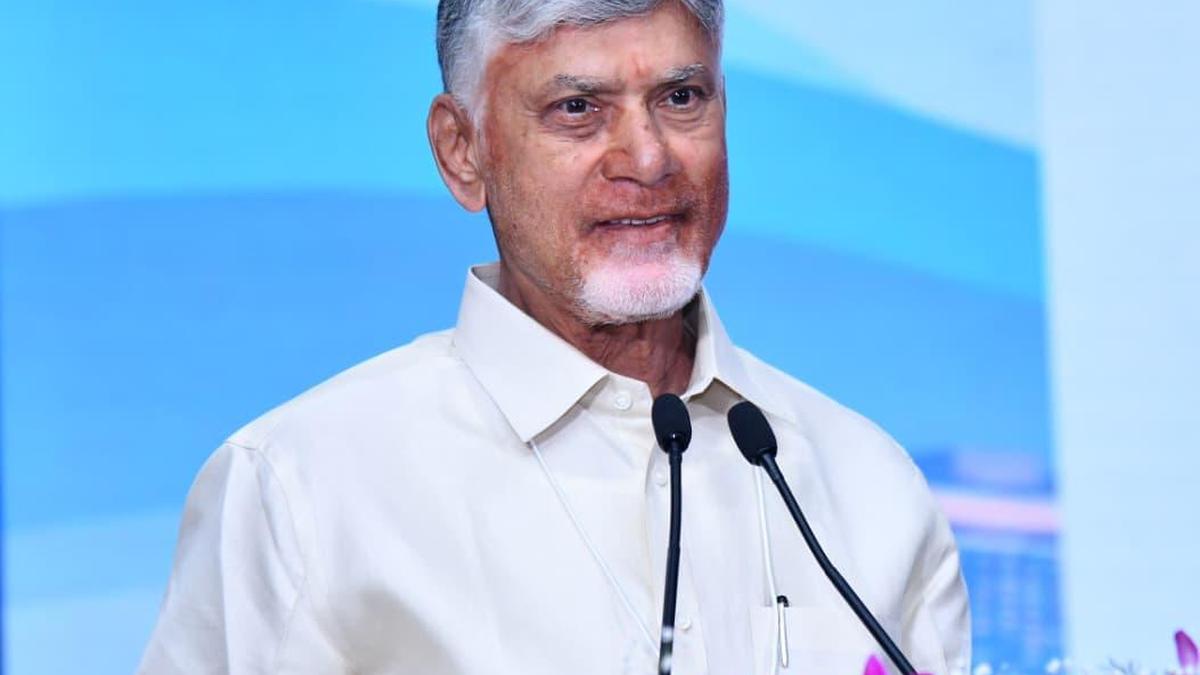
The chief minister of Andhra Pradesh has thanked the government of Karnataka for its help in restoring power lines damaged by a cyclone, according to a report by The Hindu. The acknowledgement frames the work as practical support from a neighbouring state after storm damage to the electricity network.
The available report does not name the chief minister, identify the cyclone, or describe where in Andhra Pradesh the lines were damaged. It also does not say how many circuits were affected, how many consumers lost supply, or how many crews Karnataka sent. Those details remain outside what the published account establishes.
What the report does establish is a public expression of thanks for assistance with restoration. In India’s federal system, state governments are responsible for much of the distribution network within their borders, while severe weather often exceeds the crews and equipment a single utility can deploy at once. Neighbouring states commonly lend line staff, vehicles, and material when a cyclone, flood, or other disaster knocks down conductors and poles.
Andhra Pradesh’s long Bay of Bengal coastline leaves large parts of the state exposed to cyclonic storms and the high winds and heavy rain that accompany them. Overhead distribution lines, transformers, and rural feeders are among the assets most often disrupted. Restoring them is sequential work: damaged sections must be isolated, fallen conductors cleared, poles replaced where they have failed, and supply returned feeder by feeder once it is safe to energise the network.
Karnataka, which shares a long border with Andhra Pradesh, is a frequent partner in that kind of mutual aid, as are other southern states when a storm’s footprint is wide. The Hindu’s account does not describe the form Karnataka’s help took on this occasion. It is therefore not possible to say from the report alone whether the assistance was personnel, equipment, materials, or a combination of those.
The chief minister’s thanks is politically notable because it is a formal, public recognition of another state’s role in a domestic emergency. Such statements are a common way for an affected government to record that outside help was received and to signal that restoration is being treated as a shared priority. The report does not include a quoted statement, a letter, or a social-media post, so the precise wording of the thanks is not available here.
For households and businesses, the immediate stake is the return of electricity. Power loss after a cyclone interrupts water pumping, cold storage, hospitals that rely on backup supply, communications, and ordinary household use. Utilities generally restore critical services and densely populated feeders first, then move to more remote sections. The Hindu report does not say how far that sequence had progressed when the thanks was offered.
The episode also sits within a broader pattern of disaster cooperation among Indian states. Formal requests for additional gangs, interstate movement of utility staff, and coordination with disaster-management authorities are standard after a major storm. None of those procedures is described in the available account, and this article does not infer that any particular protocol was used.
Until a fuller official account is published, the scale of the damage and the timetable for full restoration should be treated as unknown. Readers should rely on state government and utility updates for feeder-level information rather than on the brief acknowledgement alone.
What happens next depends on conditions on the ground that the report does not cover: whether further circuits remain down, whether additional outside crews are still required, and whether weather allows uninterrupted work. The chief minister’s thanks indicates that Karnataka’s assistance has already been material enough to warrant a public acknowledgement, and that restoration of cyclone-hit lines remains the immediate task for the authorities in Andhra Pradesh.
Primary source: Google News Karnataka. Newzly rewrites and structures source reporting for clarity; verify critical details at the original.