Antarctic channel named after former BBC journalist Jonathan Amos
A channel in western Antarctica has been named after Jonathan Amos, recognising the former BBC science correspondent’s work explaining polar research and its importance to the public.
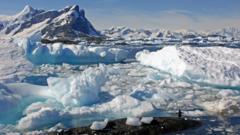
A stretch of water in western Antarctica has been named after former BBC science correspondent Jonathan Amos, recognising his contribution to public understanding of polar research. According to BBC News, the Amos Channel lies between Rothschild Island and Alexander Island.
The channel appeared after ice connecting the islands disintegrated, the BBC reported. Its naming links a newly exposed geographical feature with a journalist whose reporting helped explain changes taking place across the remote continent.
The UK Antarctic Place-names Committee recommended the name in recognition of Amos’s science journalism during his 38-year BBC career. His reporting covered Antarctic ice, wildlife and exploration, bringing research from a distant region to audiences beyond the scientific community.
The recognition also highlights the role of communication alongside fieldwork and discovery. Antarctic place names can acknowledge significant service relating to the continent, according to the British Antarctic Survey, rather than being reserved solely for people who have explored or conducted research there.
Official naming guidance makes clear that personal recognition requires more than a long career. The committee’s published criteria seek evidence of exceptional contributions to Antarctic science or life, major contributions to Antarctic matters, relevant government or policy work, or an association with the feature concerned.
Naming also serves practical purposes beyond commemoration. The committee’s guidelines say proposals must explain why a feature needs a name, with navigation, reference in scientific publications, operational safety and environmental protection among the reasons that can justify a designation.
The British Antarctic Survey describes names as generally combining a term identifying the type of feature with a distinctive name. That second element may describe the landscape, fit an established historical, scientific or cultural theme, or recognise a person’s contribution to Antarctica.
The process places the Amos Channel within an established system of geographical identification. The committee advises the authorities responsible for the British Antarctic Territory and South Georgia and the South Sandwich Islands, and exchanges information with other countries’ Antarctic naming bodies when considering proposals.
Under its terms of reference, recommended names are submitted for endorsement by the relevant territorial authorities. Once endorsed, they can be used in reports, publications, maps and charts, giving a commemorative decision a continuing practical role in describing the Antarctic landscape.
For Amos, the honour could also provide a reason to see the continent himself. The BBC reported that he had not yet visited Antarctica despite years of covering it, and that he regarded the newly named channel as an incentive to make the journey.
Primary source: BBC Science. Newzly rewrites and structures source reporting for clarity; verify critical details at the original.