Arabic meet highlights language’s cultural value in AI era
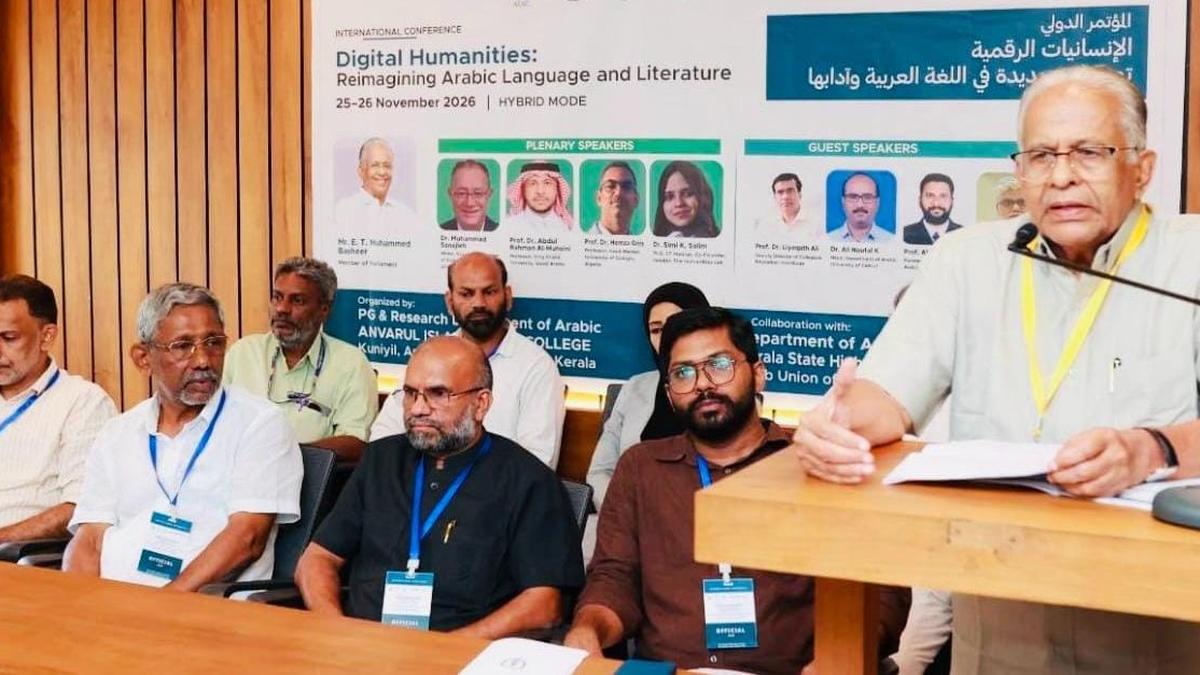
An Arabic-language gathering highlighted the irreplaceable cultural value of language in the age of artificial intelligence, according to a headline published by The Hindu in its Kerala coverage.
In this piece
The Hindu’s headline on an Arabic meet highlights the view that language’s cultural values remain irreplaceable despite advances in artificial intelligence. The…
An Arabic-language gathering highlighted the view that the cultural values of language remain irreplaceable in the artificial intelligence era, according to a headline published by The Hindu. The report appeared in the newspaper’s Kerala news section, but the supplied material does not include the article’s text.
The headline places cultural meaning at the centre of the relationship between language and technology. Its emphasis is not simply on whether artificial intelligence can handle words, but on the value attached to language beyond its use as a means of exchanging information.
That distinction provides a framework for understanding the issue without assuming details of the gathering’s discussions. Producing or translating text is a different consideration from preserving the meanings, associations and cultural significance that people attach to a language. The headline presents those cultural values as something that technological capability cannot replace.
In the context of an Arabic meet, the stated theme brings attention to language as a cultural concern rather than solely a technical one. However, the available material does not establish which aspects of Arabic language or culture were discussed, or whether participants addressed teaching, literature, translation or other subjects.
The wording also leaves an important distinction open: describing cultural values as irreplaceable does not necessarily amount to rejecting artificial intelligence. Without the full report, it would be inaccurate to characterise the gathering as either opposing AI tools or endorsing their adoption. The supplied headline establishes a concern about cultural value, not a detailed position on technology policy.
For readers considering the implications, the central question is how technological assistance might relate to the human practices that give language cultural significance. Any discussion of that relationship needs to distinguish between what a tool can produce and what a community wishes to preserve. Those are contextual questions raised by the headline, not verified conclusions from the event.
The limits of the available source are substantial. No speakers, quotations, dates, venue details or resolutions were supplied, and the headline alone cannot establish whether participants proposed any practical measures. It also does not indicate whether the discussion concerned particular AI systems or a broader assessment of technological change.
The full report would be needed to establish what participants said and whether the gathering identified any next steps. On the material available, the supported takeaway remains narrow: The Hindu reported an Arabic meet under a headline asserting that language’s cultural values retain an irreplaceable place in the AI era.
Primary source: The Hindu. Newzly rewrites and structures source reporting for clarity; verify critical details at the original.