Assam Commercial Transporters Launch Indefinite Strike Over Safety Device Mandates
Commercial vehicle operators in Assam have launched an indefinite statewide strike to protest mandatory speed governors and tracking devices, halting public transport and freight movement across the region.
In this piece
Commercial transport operators across Assam began an indefinite strike on Wednesday, pulling buses, cabs, and goods carriers off the roads over strict safety…
Commercial vehicle operators across Assam launched an indefinite statewide strike on Wednesday, pulling private buses, auto-rickshaws, and goods carriers off the roads. The massive transport disruption followed a unified call by the All Assam Motor Transport Association and affiliated commercial vehicle bodies. The agitation has effectively halted public transit and freight mobility, leaving transit terminals deserted across the northeastern state.
The protest centers on stringent state rules mandating the installation and maintenance of Speed Limiting Devices and Vehicle Location Tracking Devices equipped with emergency panic buttons. Transporters argue that the compliance framework imposes disproportionate operational costs on commercial vehicle owners. Union leaders assert that while they do not oppose safety principles, the rigid implementation rules have made normal operations economically unviable.
Tensions between fleet operators and authorities escalated following a severe enforcement drive launched by the Assam Transport Department. The regulatory crackdown was initiated in the aftermath of a major fatal road crash near Kaziranga, which prompted authorities to strictly enforce motor vehicle safety provisions. Flying squads and transport checkpoints subsequently began penalizing non-compliant commercial vehicles with steep monetary fines.
Transport associations voiced sharp criticism over the limited and centralized availability of authorized device installation centers. Operators pointed out that relying on a small number of authorized vendors creates bottlenecks and monopolistic pricing that disadvantage ordinary vehicle owners. Without widespread service centers, many drivers have found it nearly impossible to procure certified devices within stipulated deadlines.
The lack of decentralized infrastructure has also complicated the mandatory renewal of commercial fitness certificates. The transport union stressed that operators are often forced to undertake long-distance travel simply to get their installed devices inspected and approved. Consequently, the association is demanding the immediate establishment of automated and accessible vehicle fitness testing facilities in every district.
Beyond safety hardware rules, the striking transporters are demanding administrative reforms regarding commercial permits and penalties. Union representatives have urged the state government to simplify the permit renewal process and lower excessive financial penalties. They have also pressed for an accessible grievance redressal mechanism to challenge disputed electronic challans, which operators claim are frequently issued erroneously.
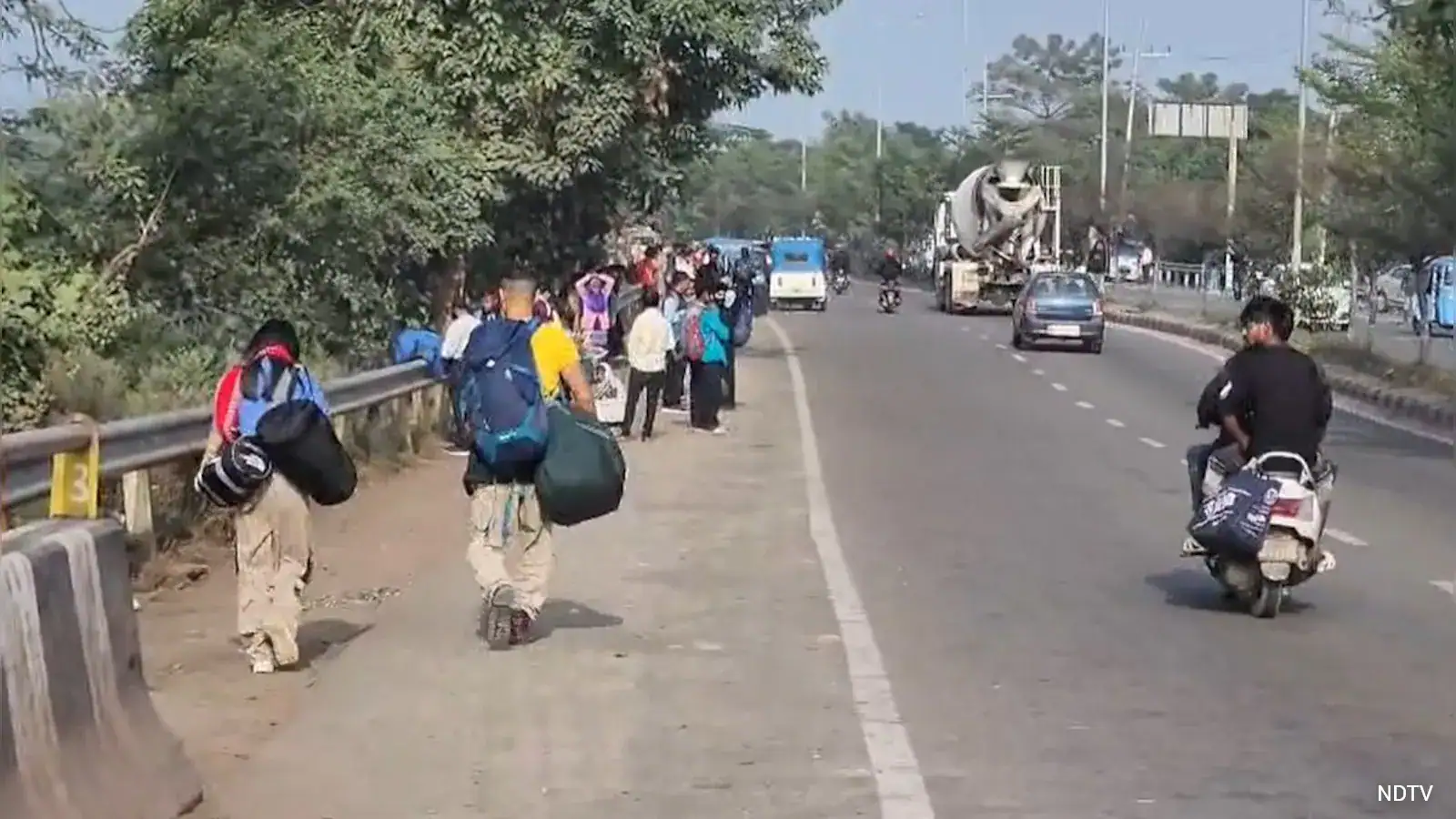
The sudden cessation of commercial transit has caused extensive hardship for commuters, office workers, and students throughout Assam. Major transit hubs in Guwahati and other district headquarters reported widespread passenger strandedness as privately run buses and shared cabs remained off duty. State-run bus services attempted to bridge the gap, but the limited fleet proved insufficient to meet daily commuter demand.
The strike is also beginning to strain logistics networks and the distribution of commodities across the region. With freight carriers and light delivery vans remaining stationary, supply chains linking Assam with neighboring northeastern states face mounting delays. Business associations have warned that an extended transport paralysis could soon trigger shortages and price increases for perishable goods.
State authorities have defended the enforcement drive, emphasizing that speed limits and vehicle tracking are essential measures to reduce fatal highway accidents. Transport department officials noted that passenger safety cannot be compromised and urged transport associations to reconsider their strike action. Meanwhile, union leadership maintains that commercial wheels will not turn until government representatives convene formal discussions to resolve their core grievances.
Primary source: Google News Assam. Newzly rewrites and structures source reporting for clarity; verify critical details at the original.