Assam Progresses Toward 10 Lakh Litre Daily Milk Production Target, CM Sarma Says
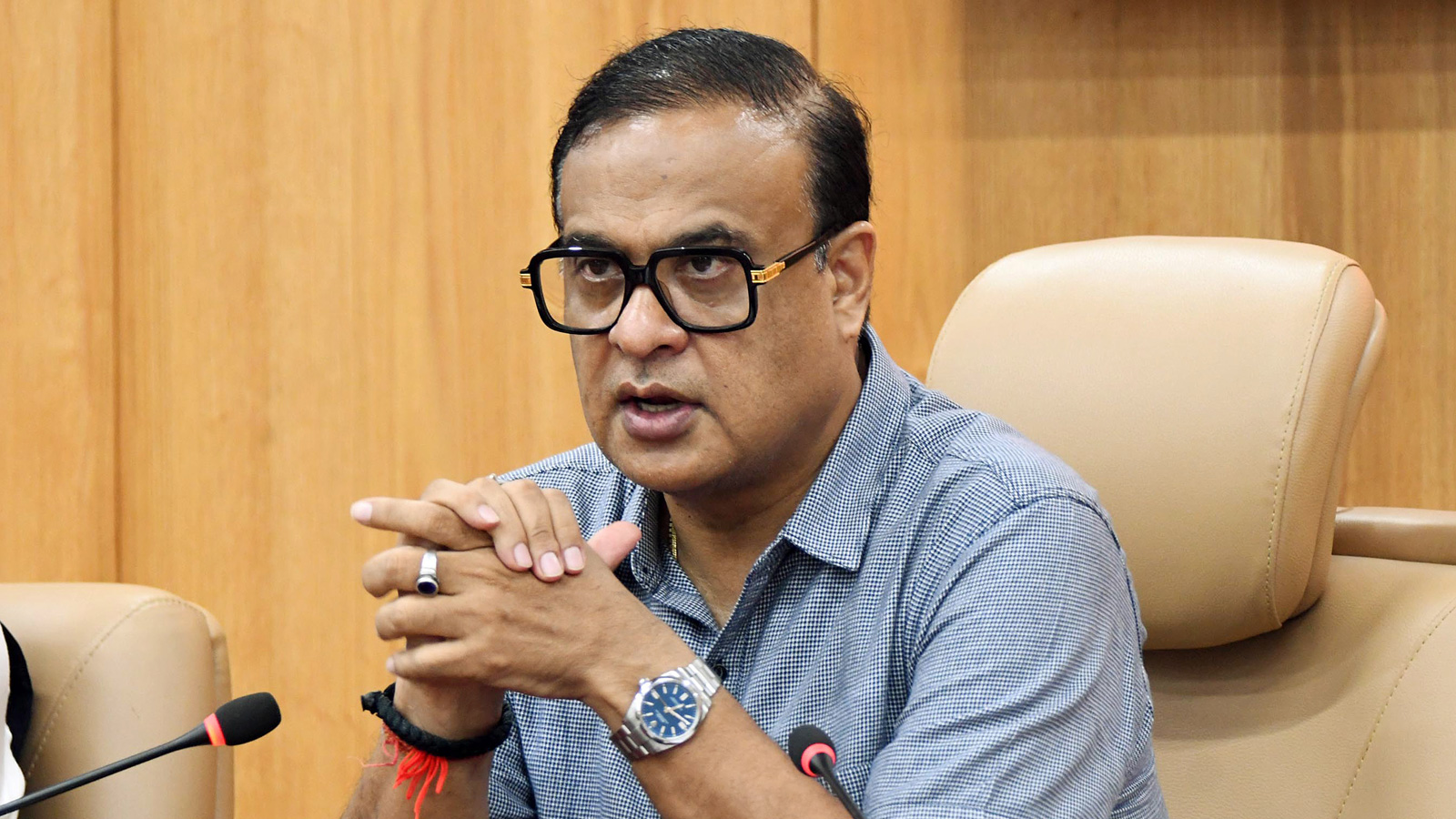
Assam is advancing toward a daily milk production milestone of 10 lakh litres through targeted subsidies, cooperative expansion, and enhanced dairy processing infrastructure, Chief Minister Himanta Biswa Sarma announced.
In this piece
Assam Chief Minister Himanta Biswa Sarma announced that the state is on track to achieve a daily output of 10 lakh litres of milk. The initiative combines…
Assam is steadily moving forward to achieve a target of 10 lakh litres of daily milk production, Chief Minister Himanta Biswa Sarma announced. Speaking on the occasion of National Milk Day, Sarma reiterated the state government's commitment to transforming the regional dairy sector into a self-sustaining economic powerhouse. The daily output benchmark represents a cornerstone of the administration's broader agrarian revival strategy.
The announcement coincided with tributes paid across the country to Dr. Verghese Kurien, revered as the architect of India's White Revolution. Sarma highlighted Dr. Kurien's foundational role in building community-driven dairy cooperatives that empowered millions of smallholders. The Chief Minister noted that Assam seeks to replicate that cooperative spirit by organizing rural cattle rearers into formal production networks.
For decades, Assam and the wider northeastern region have faced significant deficits in dairy production. Per capita milk availability in the state has consistently lagged behind national averages, forcing reliance on packaged milk and dairy derivatives transported from other Indian states. Bridging this shortfall has become an urgent policy imperative to meet rising urban and rural consumption demand.
To stimulate output at the grassroots level, the state government has instituted targeted financial incentives and direct subsidies for local dairy farmers. Producers supplying milk through recognized dairy cooperative societies receive direct financial support per litre. Officials believe this pricing backstop protects small farmers from seasonal price swings and encourages higher herd productivity.
Supply growth is also being anchored by investments in modern post-harvest and processing infrastructure across several districts. The administration has supported the establishment and upgrading of mega dairy processing facilities, including a dedicated 20,000-litre-per-day processing unit commissioned in Sonitpur district. These plants are designed to expand chilling, pasteurization, and packaging capacities closer to rural milk collection clusters.
Central to this expansion is the reinforcement of major state cooperative bodies, particularly the West Assam Milk Producers' Co-operative Union Limited, widely known by its brand name Purabi Dairy. Collaborating with national institutions such as the National Dairy Development Board, the cooperative has scaled procurement routes and processing hubs. This institutional linkage provides smallholders with transparent testing, consistent weighing, and prompt payments.
The push to scale daily production to 10 lakh litres carries substantial economic ramifications for Assam's agrarian households. In many rural communities, dairy farming serves as a vital secondary income stream that cushions cultivators against crop failures and erratic monsoon cycles. Strengthening the organized dairy supply chain helps retain financial capital within rural villages rather than draining it on external imports.
Beyond household income, state planners view the expansion as essential for regional food and nutritional security. Greater domestic supply ensures reliable access to fresh, hygienic milk for local families, schools, and healthcare institutions. The transition to organized procurement also enforces stricter cold-chain hygiene, reducing contamination risks associated with unorganized milk handling.
Moving forward, state authorities aim to steadily expand the cooperative coverage map into remote and under-served districts. Government plans include distributing high-yield cattle breeds, extending veterinary healthcare access, and introducing digitized milk collection points. If procurement trajectories continue on schedule, state officials anticipate that Assam can significantly close its import dependency while establishing a robust foundation for rural self-reliance.
Primary source: Google News Assam. Newzly rewrites and structures source reporting for clarity; verify critical details at the original.