Astrotourism Gains Ground Across India as Stargazers Head for Dark Sky Reserves
As light pollution drives travelers away from illuminated cities, astrotourism is rapidly expanding across India through community-run observatories and dark-sky reserves from Ladakh to the Andaman Islands.
In this piece
Astrotourism is emerging as a major travel trend in India, spanning high-altitude cold deserts, tiger reserves, and tropical shorelines. Supported by government…
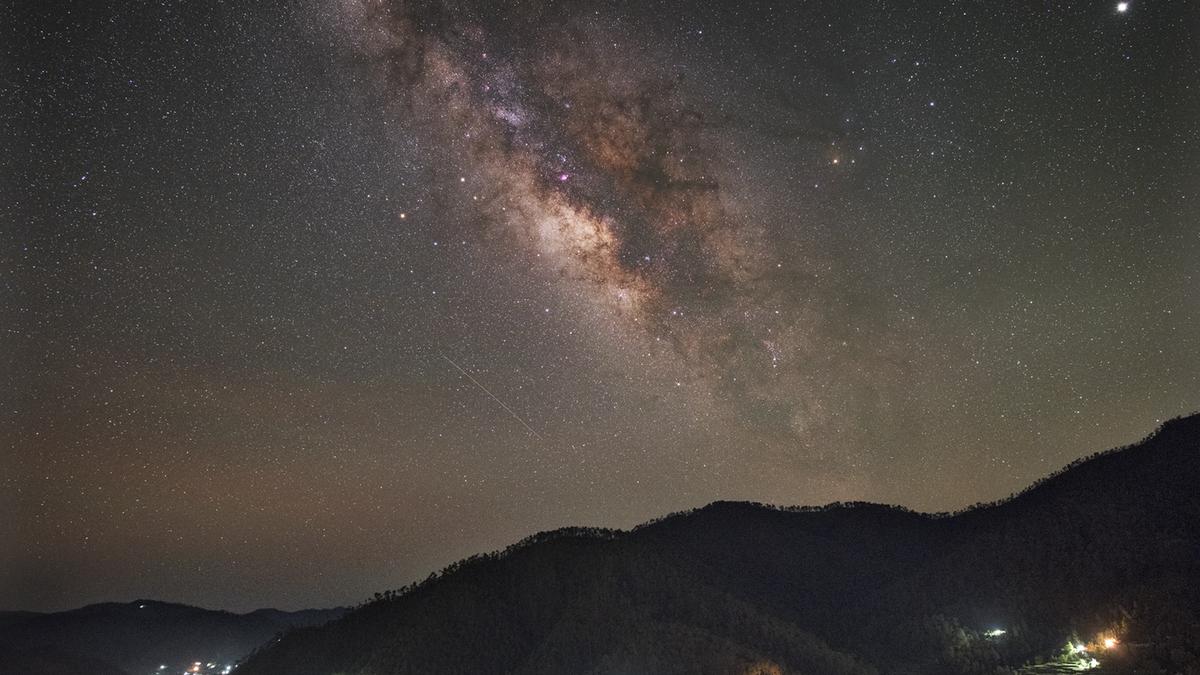
Astrotourism is gaining widespread momentum across India as urban travelers increasingly seek respite from worsening urban light pollution. From the high-altitude plateaus of the Himalayas to secluded tropical coastlines, dark-sky travel is transforming how domestic and international tourists experience the country's natural landscapes after sunset.
At the forefront of this movement is Ladakh, home to Hanle, which hosts India's first official Dark Sky Reserve established within the Changthang Wildlife Sanctuary. Perched at elevations exceeding 14,000 feet around the Indian Astronomical Observatory, Hanle offers pristine Bortle-1 skies where celestial observation is supported by community-led initiatives such as Astrostays and local monastery partnerships.
Beyond the high cold deserts, experiential travel operators and state tourism boards are identifying dedicated stargazing destinations in northern and western India. In Rajasthan, the vast and arid expanses of Sambhar Lake near Jaipur draw skywatchers seeking unhindered views of the Milky Way and major astronomical events like the annual Geminids meteor shower.
Further north, Himachal Pradesh's Spiti Valley offers stark mountain backdrops for night-sky exploration. High-altitude outposts such as Mane Village, situated at around 12,000 feet, provide crisp atmospheric conditions and specialized retreats that combine guided telescope viewings with traditional Himalayan hospitality.
In central India, wildlife reserves are merging conservation, safari culture, and astronomy into overnight wilderness stays. Accommodations across Madhya Pradesh, including camps bordering the Pench Tiger Reserve, have introduced outdoor star beds that permit visitors to sleep under clear skies while identifying constellations alongside nocturnal wildlife tracking.
The movement has also extended to India's coastal frontiers, demonstrating that dark skies are not exclusive to mountain peaks. In the Andaman and Nicobar Islands, initiatives along Constance Bay in South Andaman deploy high-powered Dobsonian and smart telescopes, allowing beachside observers to view deep-sky nebulae and planetary details over oceanic horizons.
The rapid institutionalization of astrotourism reflects growing collaboration between regional governments, commercial operators, and local host communities. Public-private partnerships, such as collaborations involving astronomy venture Starscapes with state tourism departments in Gujarat and Nagaland, are actively training rural youth as certified astronomy guides and developing specialized astro-villages like Benital in Uttarakhand.
This trend represents a critical shift toward sustainable, low-impact experiential travel that directly benefits remote village economies. By training local residents to operate telescopes and host visiting astronomers, rural communities gain sustainable off-season livelihoods while fostering grassroots stewardship against encroaching artificial light.
As more states incorporate night-sky conservation into their formal eco-tourism policies, India's astrotourism sector is expected to expand further with structured certifications and preservation zones. The continued protection of dark skies will depend heavily on sustained local stewardship and conscious lighting regulations as commercial interest in celestial tourism accelerates.
Primary source: Google News Ladakh. Newzly rewrites and structures source reporting for clarity; verify critical details at the original.