At 91, Ann Esselstyn extends her dead-hang record by 3 minutes
Ann Esselstyn, 91, has broken her own dead-hang record by three minutes, The Indian Express reports, putting a simple bar hold back in the spotlight for strength and aging.
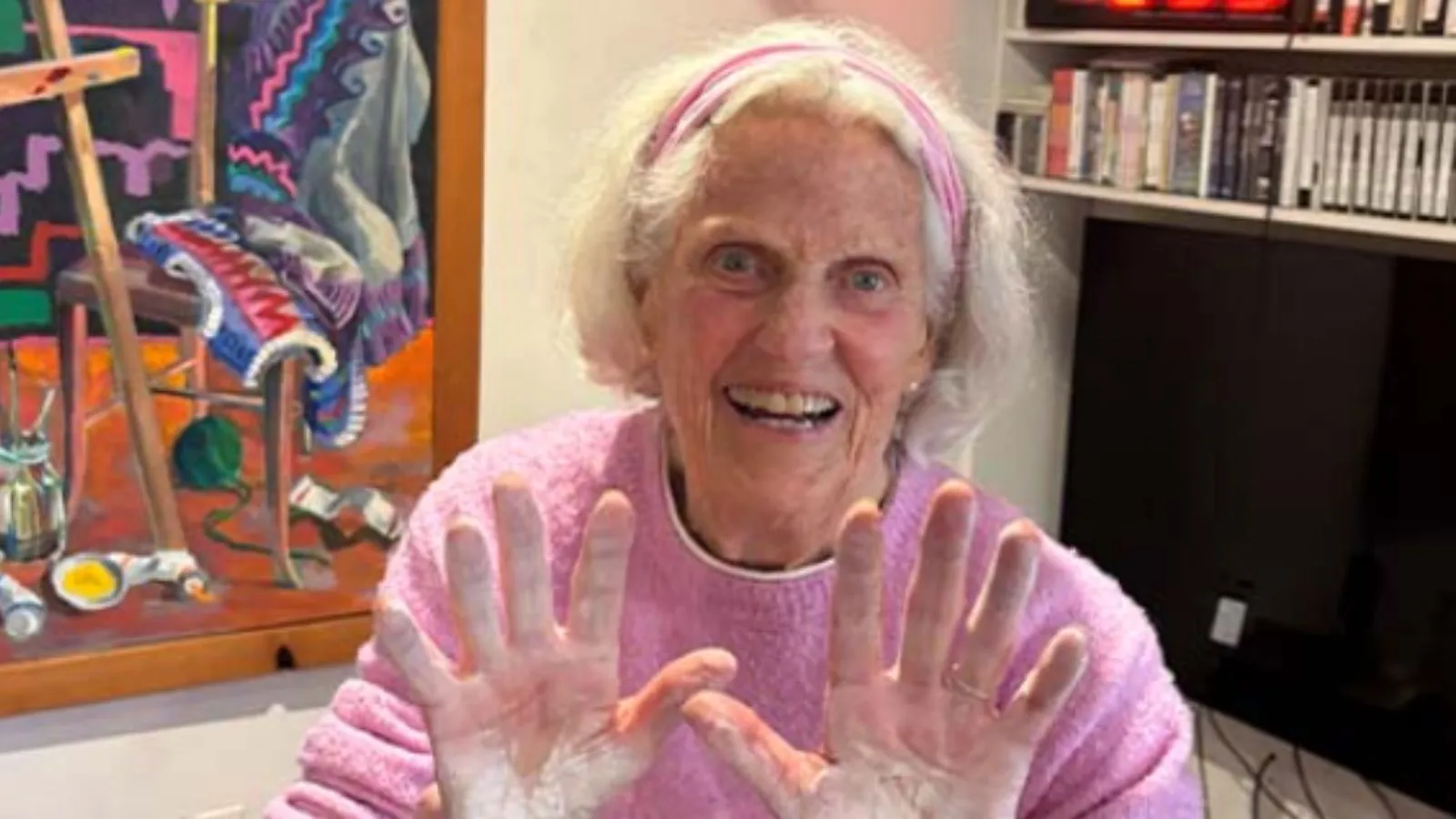
In this piece
The Indian Express reports that Ann Esselstyn, 91, surpassed her previous dead-hang mark by three minutes. The account uses the feat to explain why hanging from…
Ann Esselstyn, at 91, has broken her own dead-hang record by three minutes, according to a report from The Indian Express. The outlet presents the result as more than a personal milestone, using it to ask why a basic hang from a bar still draws attention in fitness coverage.
A dead hang is a static hold: the exerciser grips an overhead bar and lets the body hang with the feet off the ground. The Indian Express frames Esselstyn’s longer hang as a prompt to look at what that position asks of the hands, arms, and shoulders, rather than as a spectacle on its own.
The only performance figure given in the headline material is the size of the improvement: three minutes beyond her previous personal record. The report as supplied here does not state the new total time, the earlier mark, or the conditions of the attempt, so those details cannot be stated with confidence.
Dead hangs are widely discussed in training circles because they load the grip continuously while the shoulders sit under body weight. Coaches often describe them as a way to practice holding on, an ability that shows up in carrying groceries, steadying oneself, and other ordinary tasks. That general rationale is the context The Indian Express points toward when it asks why the exercise matters.
Grip endurance and the ability to support one’s weight are also frequent topics in conversations about strength in later life. Public health guidance has long treated muscle strength and balance as relevant to staying independent, though a single hang record is not evidence about any one person’s overall health. The Indian Express account, as available here, does not report medical findings or a clinical assessment tied to the attempt.
Age is central to how the story is told. Performing a timed hang at 91 is unusual enough to lead the headline, and the three-minute gain is the concrete claim attached to it. Without a published protocol—bar height, grip style, whether the hold was continuous, or how the clock was kept—the result should be read as a reported personal record, not as a standardized competition mark.
Esselstyn is named in the Indian Express headline as the person who set and then extended the mark. The source material provided for this article does not include quotes from her, from trainers, or from researchers, and it does not describe a specific gym, city, or event. Those elements are therefore left out rather than inferred.
Why the exercise is discussed at all is fairly plain. Hanging trains the hands to keep working when they are tired, and it asks the shoulder girdle to tolerate a stretched, loaded position. Trainers sometimes use short hangs as a complement to pulling exercises. None of that general practice, however, specifies how Esselstyn trained or how often she attempts the record.
The interest also sits against a broader pattern in fitness media: older athletes and exercisers are cited when they post times or distances that challenge assumptions about age. Such stories can encourage activity, and they can also over-read one feat. A longer dead hang shows that this hold was sustained for three more minutes than her prior record. It does not, by itself, establish a training plan for other people.
What happens next depends on whether The Indian Express or Esselstyn’s circle publishes the full time, the previous record, and how the hang was measured. Until those details are on the record, the durable fact is the one the headline states: at 91, she improved her own dead-hang mark by three minutes, and the coverage treats that gain as a reason to revisit a simple bar exercise.
Primary source: The Indian Express. Newzly rewrites and structures source reporting for clarity; verify critical details at the original.