At Least 15 Migrants Die After Boat Suffers Engine Failure off Spain
At least 15 migrants died from starvation and dehydration after their boat suffered engine failure and drifted for three days off Spain, leaving nearly 100 passengers stranded in open waters before rescuers arrived.
In this piece
At least 15 migrants have died after an engine failure left their vessel drifting for three days without food or water off the coast of Spain. Maritime rescue…
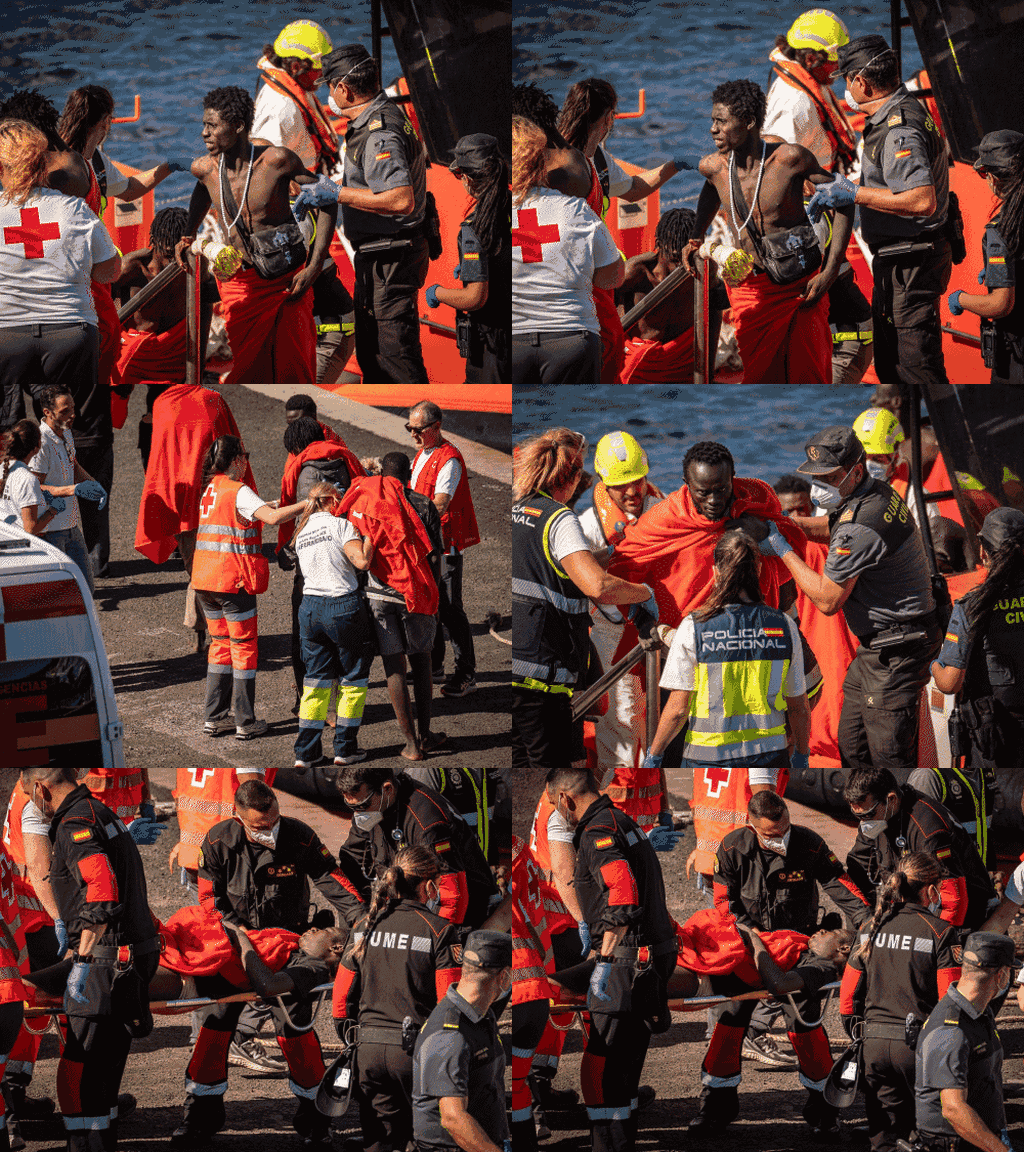
At least 15 migrants lost their lives at sea after their vessel suffered total engine failure and ran out of provisions while attempting to reach Spain. Emergency responders reached the distressed wooden craft after it spent approximately three days drifting aimlessly in open waters. Approximately 100 passengers were discovered onboard, enduring severe dehydration, acute hunger, and harsh maritime exposure.
Maritime search and rescue teams intercepted the disabled boat following distress reports and began emergency evacuations. Medical personnel quickly triaged survivors on site, identifying multiple individuals in critical condition due to prolonged deprivation. Several critically ill passengers were airlifted to regional hospitals, while remaining survivors were escorted to port facilities to receive emergency treatment and psychological care.
Survivors told responders that their vessel had been navigating the dangerous maritime route for several days before the propulsion system abruptly failed. Once the engine shut down, the boat lost all navigational capability and drifted at the mercy of unpredictable currents and wind patterns. Within hours, emergency supplies of fresh drinking water and rations were entirely exhausted, plunging those aboard into a desperate struggle for survival.
Over the course of the three-day drift, conditions on the overcrowded vessel deteriorated rapidly. With no shelter from the scorching daytime sun and freezing overnight ocean temperatures, the most vulnerable passengers succumbed to physical exhaustion and hypothermia. Fellow travelers witnessed casualties mount each day as they desperately watched the horizon for passing ships or aerial reconnaissance teams.
The incident highlights the extreme hazards associated with maritime migration corridors toward southern European territory. The Atlantic migration route toward the Canary Islands and southern Spain has long been recognized by international observers as one of the deadliest sea crossings in the world. Smuggling networks frequently load unseaworthy vessels far beyond their rated capacities, equipping them with inadequate navigational tools and insufficient fuel supplies.
Over recent years, thousands of asylum seekers and economic migrants from West and North Africa have embarked on perilous voyages across open waters in search of stability and opportunity. Stricter policing along shorter Mediterranean routes has increasingly driven departures further south along the West African shoreline. These longer passages require navigating treacherous oceanic swells in open wooden pirogues, where any mechanical malfunction or navigational error often proves catastrophic.
Local authorities and relief organizations in Spain have consistently faced logistical challenges managing the steady influx of distressed migrant vessels. First responders, civil defense units, and voluntary aid networks routinely operate near maximum capacity across island arrival points. Municipal leaders have repeatedly called on national and European authorities for reinforced logistical support, expanded emergency sheltering, and faster medical processing protocols.
Human rights organizations emphasize that the lack of accessible and safe humanitarian pathways continues to push vulnerable populations into the hands of illicit trafficking networks. Advocacy groups argue that deterrence-focused border policies fail to stop desperate journeys while increasing the fatality rates among travelers. They maintain that comprehensive search-and-rescue infrastructure across high-risk maritime sectors remains essential to preventing mass casualty events at sea.
Spanish maritime officials are continuing administrative procedures to identify the deceased passengers and coordinate notifications with consular representatives. Investigative agencies are also gathering testimonies from survivors to ascertain the vessel's original point of departure and identify the smugglers responsible for organizing the voyage. Meanwhile, maritime patrol units remain on elevated alert across regional waters as weather conditions continue to prompt risky departure attempts.
Primary source: Divya Bhaskar International. Newzly rewrites and structures source reporting for clarity; verify critical details at the original.