world·Jharkhand·Ranchi District
Babulal Marandi Criticizes Jharkhand Government Over Prison Safety Concerns
Senior BJP leader Babulal Marandi has sharply criticized the Jharkhand government over deteriorating law and order, alleging that even high-security correctional facilities have become perilous for inmates.
In this piece
Jharkhand opposition leader Babulal Marandi accused the state administration of presiding over an administrative breakdown, asserting that even custodial…
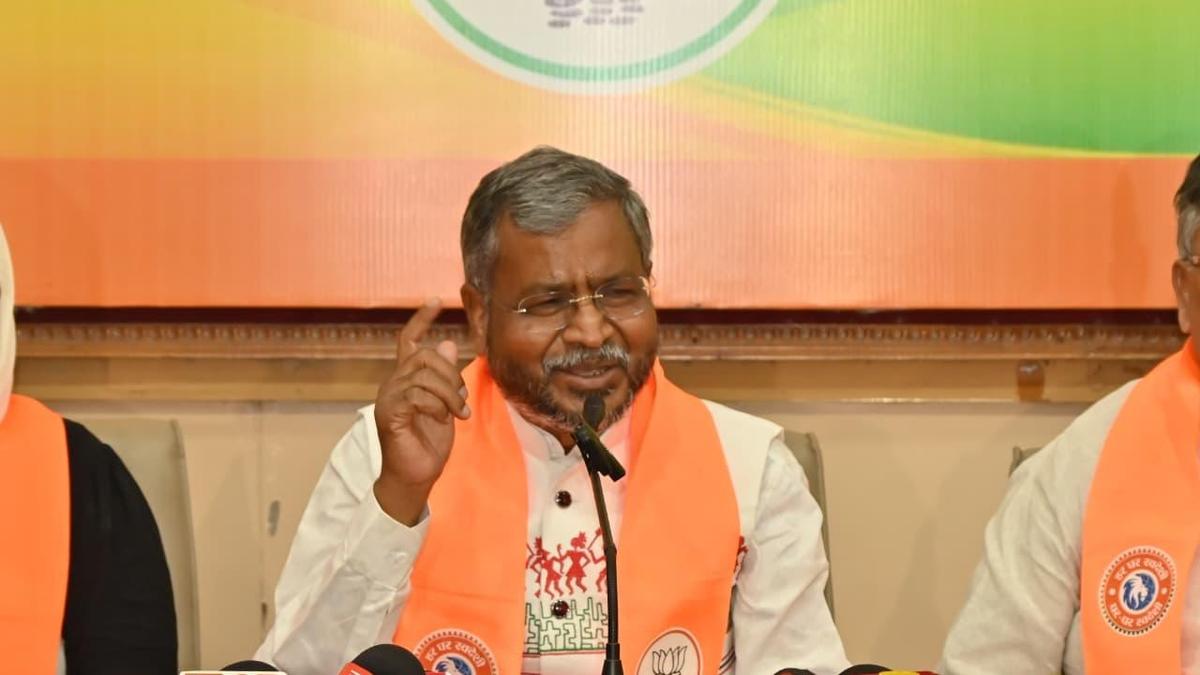
Bharatiya Janata Party leader and Leader of the Opposition Babulal Marandi launched a scathing critique against the Jharkhand state administration, declaring that even prisons in the state are no longer safe for inmates. Addressing reporters in Ranchi District, the senior opposition figure contended that correctional institutions, which should represent the most controlled security environments, have instead witnessed severe administrative neglect and inmate vulnerability.
Marandi asserted that the deteriorating environment inside state penitentiaries reflects a wider failure in governance under Chief Minister Hemant Soren. He stressed that when individuals inside guarded facilities face imminent threats to their physical security, ordinary citizens outside can hardly expect reliable safety from law enforcement bodies.
The opposition leader's remarks followed recent controversies and reports of inmate abuse inside high-security correctional facilities, including Birsa Munda Central Jail in Ranchi. Opposition officials have pointed to alleged custodial violence and mistreatment within prison walls, arguing that regulatory oversight has eroded significantly under the present government.
Broadening his attack, Marandi maintained that lawlessness is not confined to the state penal system but extends across public offices and police stations throughout Jharkhand. He cited incidents involving custodial irregularities, unexplained deaths in official custody, and unlawful disturbances occurring in close proximity to government installations as evidence of a systemic breakdown.
The confrontation highlights sharpening political divisions between the opposition Bharatiya Janata Party and the ruling coalition comprising the Jharkhand Mukti Morcha and the Indian National Congress. Law and order has emerged as a central battleground in state politics, with the opposition routinely accusing the administration of shielding administrative lapses and fostering institutional complacency.
State government representatives and ruling party leaders have periodically pushed back against such criticisms, asserting that correctional facilities and police forces operate under established constitutional and legal safeguards. Officials have previously maintained that allegations of misconduct or security lapses in prisons are subjected to internal administrative reviews and statutory investigations.
Security conditions within correctional facilities remain an important constitutional benchmark for human rights observers and legal advocates across India. Critics argue that unchecked abuses within judicial custody undermine the credibility of the criminal justice system and expose vulnerable undertrial populations to systemic coercion.
The controversy has also drawn scrutiny toward the oversight mechanisms governing prisons, including routine judicial visits, prison inspection committees, and internal surveillance systems. Civil society organizations and legal bodies have consistently emphasized that custodial institutions require stringent compliance with inmate rights and impartial grievance redressing frameworks.
With the opposition intensifying its campaign against the state government, prison administration and public security are expected to remain contentious issues in the Jharkhand Legislative Assembly. Observers anticipate that further regulatory audits or legislative inquiries may be demanded as political debate persists over accountability, correctional reform, and civil safety across the state.
Primary source: Google News Jharkhand. Newzly rewrites and structures source reporting for clarity; verify critical details at the original.