Bavuma's Nine-Hour Masterclass Highlights the Endangered Art of Test Cricket
Temba Bavuma's marathon century against Australia demonstrated the enduring power of Test cricket, even as the global surge in domestic Twenty20 franchise leagues threatens the traditional format.
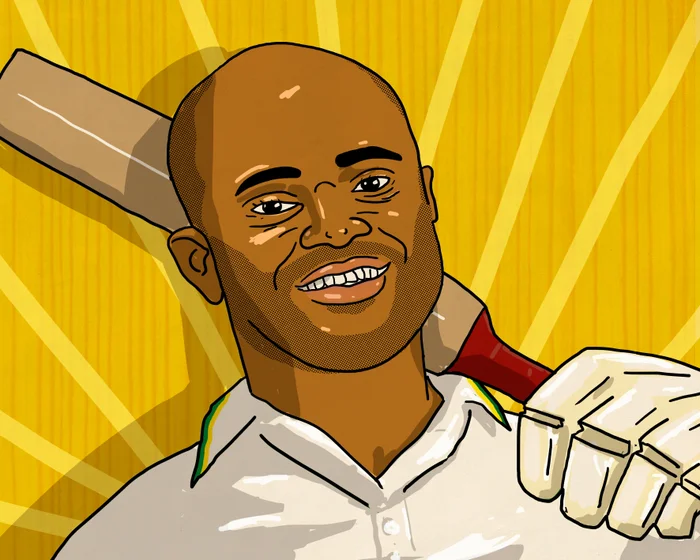
South Africa captain Temba Bavuma produced a defiant, nine-hour batting masterclass against Australia at St George's Park in Gqeberha, compiling a career-best 179 runs from 334 deliveries. The marathon effort rescued the Proteas from a precarious position and transformed the momentum of the contest. It also served as a striking rebuttal to the global shift toward shortened, fast-paced cricket formats.
The hosts had found themselves in severe trouble after slumping to 12 for two early in their innings and later languishing at 110 for six under persistent Australian bowling pressure. Facing a comprehensive collapse, Bavuma anchored the lower order with extraordinary technical discipline. He absorbed hostile spells across multiple sessions, steadily wearing down the attack and proving the defensive resilience of five-day specialists.
Writing in The Guardian, chief sports writer Barney Ronay highlighted the performance as a stark reminder of the dramatic tension unique to traditional five-day cricket. Ronay argued that the deliberate, slow-burn narratives of Test matches represent a sporting art form that is increasingly vulnerable to institutional neglect. In his analysis, treating the traditional format as dispensable amounts to cultural vandalism against the game.
For Bavuma, the innings stood as a landmark achievement in a career frequently marked by intense public scrutiny and the heavy burden of national leadership. Hailing from the Cape Town township of Langa, the veteran batsman has repeatedly had to navigate external skepticism regarding his place in the side. His determined stand in Gqeberha offered personal vindication alongside vital runs for his country.
The performance unfolded against an unsettling broader backdrop for the sport, characterized by the rapid expansion of private Twenty20 franchise leagues worldwide. As lucrative domestic competitions crowd the international calendar, sovereign boards face growing financial pressure to prioritize quick-turnaround tournaments over traditional bilateral tours. The time and resources required to sustain red-ball series are increasingly viewed by administrators as an expensive luxury.
This imbalance is particularly acute for nations outside cricket's wealthy triumvirate of India, England, and Australia. While the wealthiest boards can still afford extensive Test schedules, administrations like Cricket South Africa must continually balance the operational costs of staging five-day matches against commercial revenue from domestic leagues. When priorities clash, traditional fixtures frequently lose their prime spots on the sporting calendar.
Ronay warned that reducing the longest format to an afterthought risks permanently eroding the technical foundations of the game. An innings spanning nine hours demands psychological stamina, defensive clarity, and tactical patience that cannot be developed in the three-hour sprint of a T20 encounter. Without regular exposure to five-day challenges, future generations of batters may lose the ability to construct long, attritional innings.
When multi-day fixtures are marginalized, cricket also forfeits the rich storytelling that has historically defined its most memorable rivalries and individual legacies. The communal investment required to follow a side clawing its way back from catastrophe across several days provides an emotional depth that brief entertainment spectacles rarely replicate. The rhythm of Test cricket allows room for nuance, error, and redemption.
As global administrators negotiate upcoming international scheduling cycles, the structural tension between immediate commercial returns and heritage preservation remains unresolved. Bavuma's defiance in Gqeberha demonstrated that five-day cricket still possesses an unmatched power to captivate and endure. Whether the international game retains the political and economic will to protect that art form remains an open question.
Primary source: The Guardian Sport. Newzly rewrites and structures source reporting for clarity; verify critical details at the original.