Bayer Reaches Major Roundup Settlement That Could Cost Company Billions
Bayer has agreed to a multi-billion-dollar settlement resolving widespread claims over its Roundup herbicide, providing compensation for thousands suffering from non-Hodgkin lymphoma and establishing provisions for prospective cancer diagnoses.
In this piece
Bayer has reached an expansive settlement potentially costing billions of dollars to resolve extensive claims over its Roundup weedkiller. The financial…
German pharmaceutical and chemical conglomerate Bayer has reached a comprehensive settlement over claims surrounding its Roundup herbicide that could ultimately cost the enterprise billions of dollars. The agreement is designed to resolve extensive legal claims brought by plaintiffs who allege exposure to the widely used weedkiller caused them to develop severe medical complications.
Under the reported terms, financial compensation will be directed toward thousands of individuals who have received a diagnosis of non-Hodgkin lymphoma, as well as those who may be diagnosed with the condition in the future. The blood cancer has stood at the center of protracted litigation against the company, with patients and their families arguing that long-term contact with the herbicide posed substantial health risks.
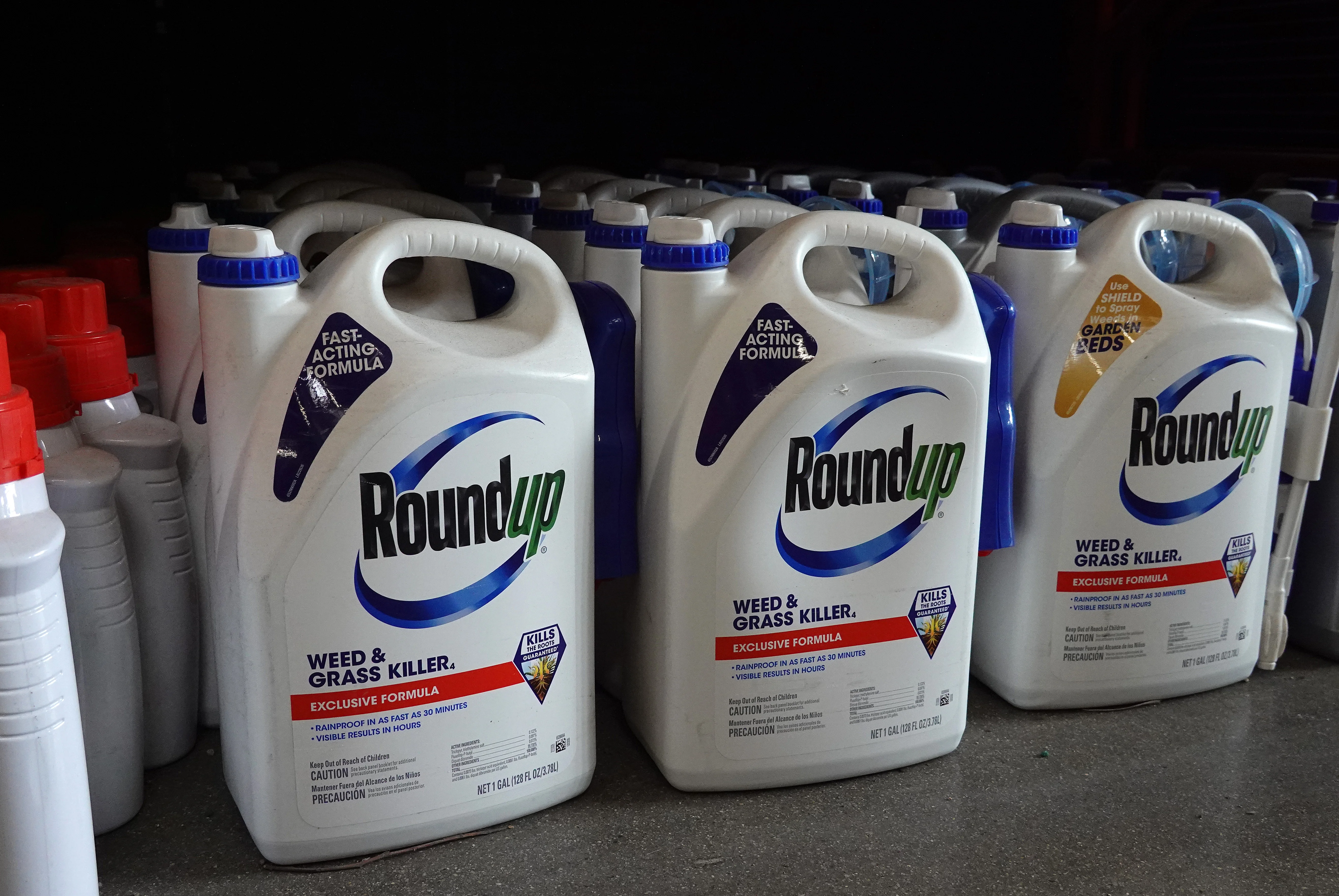
Roundup, which is formulated around the active chemical compound glyphosate, has long ranked among the most ubiquitous commercial weedkillers utilized across industrial agricultural sectors, professional landscaping, and residential lawn maintenance. The product came under intensified international scrutiny following declarations by global public health researchers classifying the compound as a probable carcinogen.
Bayer assumed primary corporate liability for Roundup litigation following its acquisition of American agribusiness giant Monsanto, which originally created and marketed the weedkiller. Since completing the multi-billion-dollar takeover, the parent company has faced a massive influx of legal actions filed by groundskeepers, agricultural workers, and private consumers across jurisdictions.
Non-Hodgkin lymphoma represents a diverse group of blood cancers that originate within the lymphatic system, a vital component of the body's immune defenses. Individuals suffering from the disease often require intensive and costly medical interventions, including chemotherapy, radiation, targeted immunotherapy, and stem cell transplants, leading to immense personal and financial strain.
The projected multi-billion-dollar financial exposure underscores the profound operational and legal pressure facing major chemical producers regarding long-term product safety. Analysts and industry observers note that resolving such extensive liability claims is crucial for stabilizing corporate balances, though the final fiscal impact will depend heavily on claim resolution mechanisms and participation rates among eligible claimants.
Structuring settlements that account for both existing cases and potential prospective diagnoses presents unique logistical and regulatory hurdles within product liability jurisprudence. Legal observers emphasize that establishing independent administrative frameworks and medical verification panels is routinely required to ensure funds are disbursed equitably to affected individuals over extended timeframes.
Despite the extensive court battles and massive legal payouts, regulatory evaluations of glyphosate have historically varied across international bodies and environmental protection agencies. While certain health organizations point to epidemiologic correlations with lymphoma, chemical manufacturers have continuously maintained that the herbicide remains safe for consumer and commercial application when instructions are strictly adhered to.
Moving forward, implementation of the settlement will require detailed administrative oversight to process claims, verify diagnoses, and allocate compensation to qualifying plaintiffs and their families. The resolution marks a pivotal milestone in the sprawling legal saga surrounding Roundup, although monitoring of corporate compliance, legal precedents, and public health guidance regarding agricultural chemicals will likely persist for years to come.
Primary source: NPR News. Newzly rewrites and structures source reporting for clarity; verify critical details at the original.