BBC Correspondents Examine Historic Trilateral Meeting Between Trump, Xi, and Putin
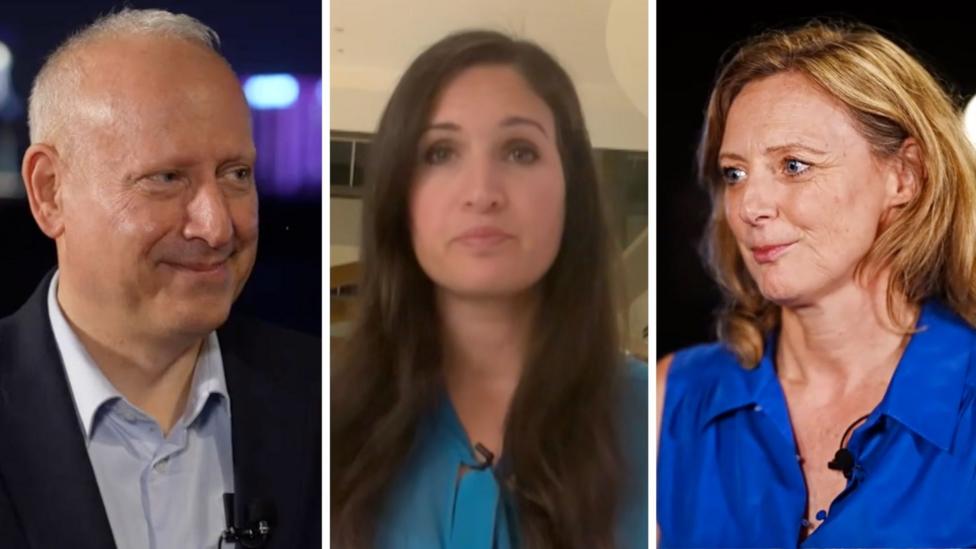
BBC correspondents Laura Bicker, Steve Rosenberg, and Nada Tawfik broke down the major geopolitical stakes ahead of an unprecedented trilateral meeting between Donald Trump, Xi Jinping, and Vladimir Putin.
In this piece
BBC correspondents analyzed the strategic stakes surrounding a historic trilateral meeting between Donald Trump, Xi Jinping, and Vladimir Putin. The assessment…
BBC correspondents have weighed in on the prospect of an unprecedented trilateral meeting between Donald Trump, Xi Jinping, and Vladimir Putin, assessing what such an encounter could mean for the international order. Network journalists Laura Bicker, Steve Rosenberg, and Nada Tawfik outlined the essential dynamics defining the talks as global observers monitor the rare engagement. Their analysis highlights the intense global focus directed at an interaction involving three of the world's most influential decision-makers.
The prospective summit brings together the leadership of the United States, China, and Russia at a moment of profound transformation in international diplomacy. Bringing the three leaders into a single diplomatic forum represents a historic departure from conventional bilateral diplomacy, creating an intricate web of competing national priorities. Observers note that such an encounter underscores the complex, multipolar realities reshaping foreign affairs.
Reporting across key diplomatic centers, the correspondents analyzed the distinct strategic calculations driving Washington, Beijing, and Moscow. Steve Rosenberg, examining Russian statecraft, assessed how the Kremlin approaches high-level interactions with both Eastern and Western powers. His perspective underscores the deliberate messaging that often accompanies major diplomatic engagements involving Moscow on the international stage.
From the perspective of Asian geopolitics, Laura Bicker examined how Beijing approaches the high-stakes engagement alongside Washington and Moscow. Her assessment highlighted the delicate balance China seeks to maintain between its strategic partnership with Russia and its multifaceted relationship with the United States. Navigating those parallel relationships presents substantial diplomatic challenges for Chinese leadership.
Covering the American angle, Nada Tawfik explored how Donald Trump's foreign policy approach intersects with the strategic ambitions of Xi Jinping and Vladimir Putin. The correspondents noted that American foreign policy faces the challenge of managing simultaneous great-power competition on two distinct fronts. Any engagement among these three leaders carries immediate domestic and global ramifications for Washington.
Diplomatic analysts point out that a trilateral format fundamentally alters traditional bilateral bargaining. Rather than direct negotiations between two capitals, every potential topic or concession must be weighed against the immediate interests and reactions of the third major power in the room. This dynamic creates a diplomatic triangle where progress on one front can provoke friction on another.
The broader international landscape provides a tense backdrop for such discussions. Broad questions surrounding international security architecture, strategic stability, and global economic relations inevitably loom over any diplomatic engagement uniting the three leaders. While formal agendas remain subject to evolving diplomatic coordination, the overarching themes reflect long-standing geopolitical rivalries.
International scrutiny remains exceptionally high, with world capitals seeking clarity on whether the engagement focuses on broad symbolic messaging or actionable diplomatic frameworks. Analysts emphasized that even the choreography and protocol of bringing the three leaders together carry immense political weight across the international community. Smaller nations and regional allies are also watching closely to understand how their own interests might be affected.
The correspondents emphasized that significant uncertainty surrounds the practical outcomes of such high-level dialogue. While diplomatic channels can provide essential mechanisms for communication and crisis prevention, deep structural divisions among Washington, Beijing, and Moscow continue to limit the scope of rapid breakthroughs. Clear differences in strategic vision ensure that negotiations remain complex and deliberate.
As coverage continues ahead of the historic engagement, observers across the globe await further substantive details regarding the timetable and official focus of the discussions. For now, the assessment from international correspondents suggests that the primary significance lies in the rare convergence of three leaders whose decisions define contemporary international politics. How each leader maneuvers within this unprecedented trilateral dynamic will shape the tone of global relations moving forward.
Primary source: BBC US & Canada. Newzly rewrites and structures source reporting for clarity; verify critical details at the original.