Beyond Chandigarh: The Parallel Seat of Power Shaping Punjab's Politics
While Chandigarh serves as the administrative capital of Punjab, the Akal Takht in Amritsar wields parallel temporal authority, shaping political leadership, community consensus, and state policy.
In this piece
Punjab's political landscape is defined by a unique dual authority bridging Chandigarh and Amritsar. While elected leaders hold constitutional power in the…
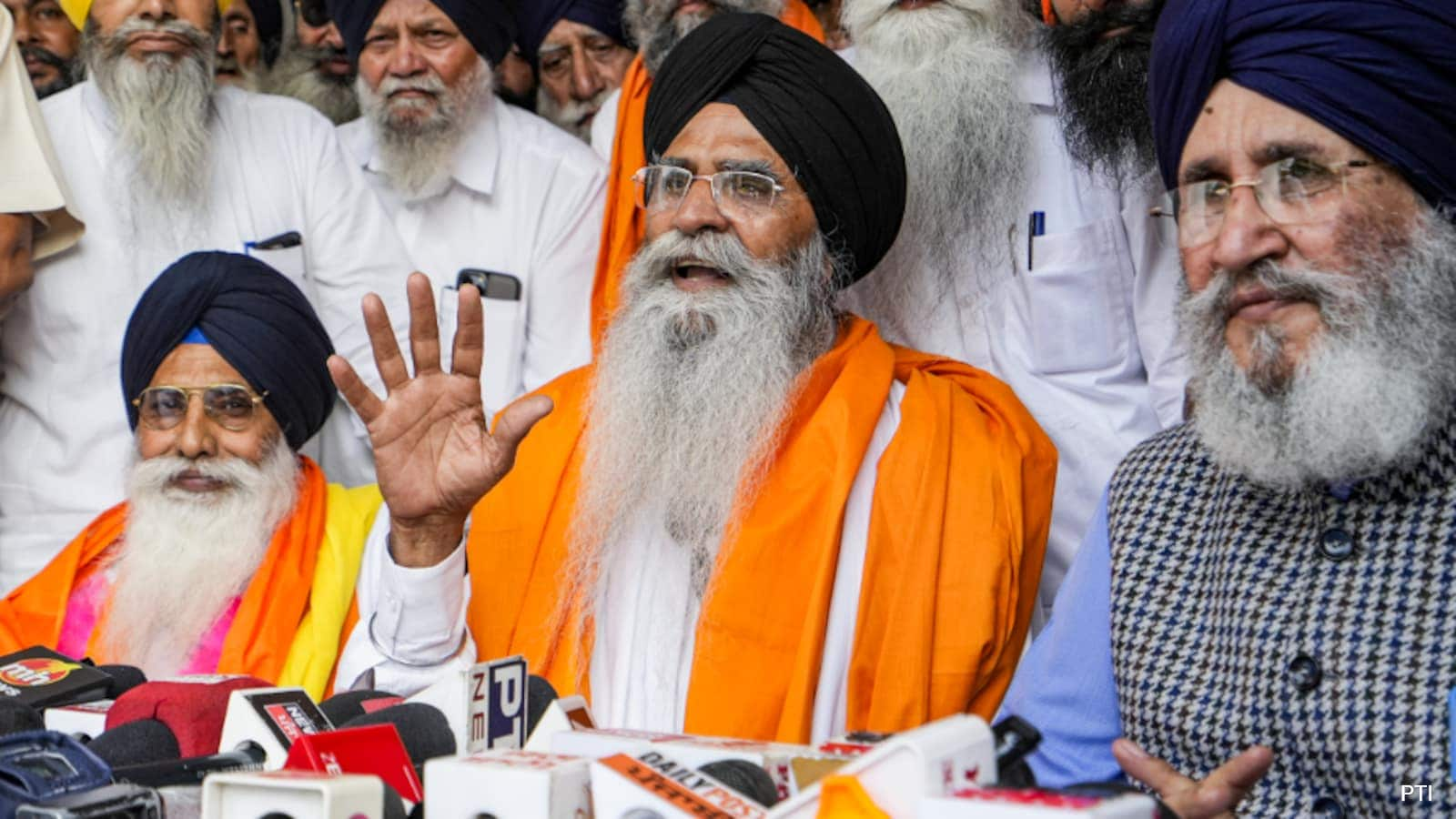
While Chandigarh serves as Punjab’s administrative nerve center housing the state secretariat and legislative assembly, the state’s political destiny remains heavily influenced by a parallel seat of authority located roughly 230 kilometers away. The Akal Takht in Amritsar, the highest temporal seat of Sikh authority, continues to exercise decisive influence over elected officials, political coalitions, and policy debates across the border state.
This enduring duality creates a distinctive governance landscape in Punjab, where constitutional power flows from the ballot box into the corridors of Chandigarh, but community legitimacy is frequently arbitrated in Amritsar. Analysts point out that unlike most Indian states where power centers reside squarely within legislative halls, Punjab’s political leaders across party lines must consistently navigate religious protocols and moral oversight.
At the center of this dynamic is the Akal Takht, established within the Golden Temple complex, alongside the Shiromani Gurdwara Parbandhak Committee, which manages historic Sikh shrines and commands vast institutional resources. Edicts issued by the Jathedar of the Akal Takht hold immense moral authority among the Sikh community, carrying the power to alter political fortunes and demand accountability from senior public figures.
Historically, the intersection of religion and politics has defined the contours of regional power struggles in Punjab. For decades, regional parties drew their core strength from managing religious institutions, using the Akal Takht’s moral weight to consolidate grassroots support and resist central administrative pressures.
In recent years, however, this balance of power has grown increasingly complicated as newer political formations and changing voter demographics disrupt traditional alignments. Even as parties attempt to focus governance discussions on economic development, agrarian challenges, and social welfare, issues touching on religious sanctity and community representation routinely return to the forefront of state politics.
The Akal Takht’s ability to summon elected leaders and demand explanations underscores the unique friction between secular democratic offices and traditional spiritual institutions. When political controversies intersect with faith-related matters, leaders often find themselves appearing before the supreme temporal council to seek redemption or clarify legislative actions, demonstrating that Chandigarh’s mandate alone does not shield officials from community scrutiny.
These interactions frequently spark debates among constitutional experts and political commentators regarding the boundary between religious oversight and civil administration. While supporters argue that the temporal seat ensures ethical governance and protects historical traditions, critics periodically raise questions about the implications of religious interventions in democratic statecraft.
The dynamic matters profoundly for Punjab’s stability and policy trajectory, particularly as the state grapples with urgent economic, agricultural, and administrative reforms. Policy initiatives formulated in Chandigarh often require broader social consensus that depends heavily on maintaining harmony with the socio-religious sentiments anchored in Amritsar.
As Punjab navigates shifting political coalitions and evolving generational aspirations, the delicate relationship between its administrative capital and its spiritual center will remain pivotal. Observers note that any enduring political consensus in the state will likely continue to require a balance between the constitutional authority exercised from Chandigarh and the temporal influence emanating from Amritsar.
Primary source: Google News Chandigarh. Newzly rewrites and structures source reporting for clarity; verify critical details at the original.