Beyond the Ban: How Pakistani Drama Finds a Passionate Audience in India
Despite diplomatic tensions and calls from industry bodies for a total ban, Pakistani drama 'Jo Bachay Hain Sang Samait Lo' has captured a dedicated Indian audience, underscoring the enduring power of cross-border cultural demand.
In this piece
Pakistani drama series 'Jo Bachay Hain Sang Samait Lo' is gaining strong traction among Indian viewers despite standing cultural bans and objections from…
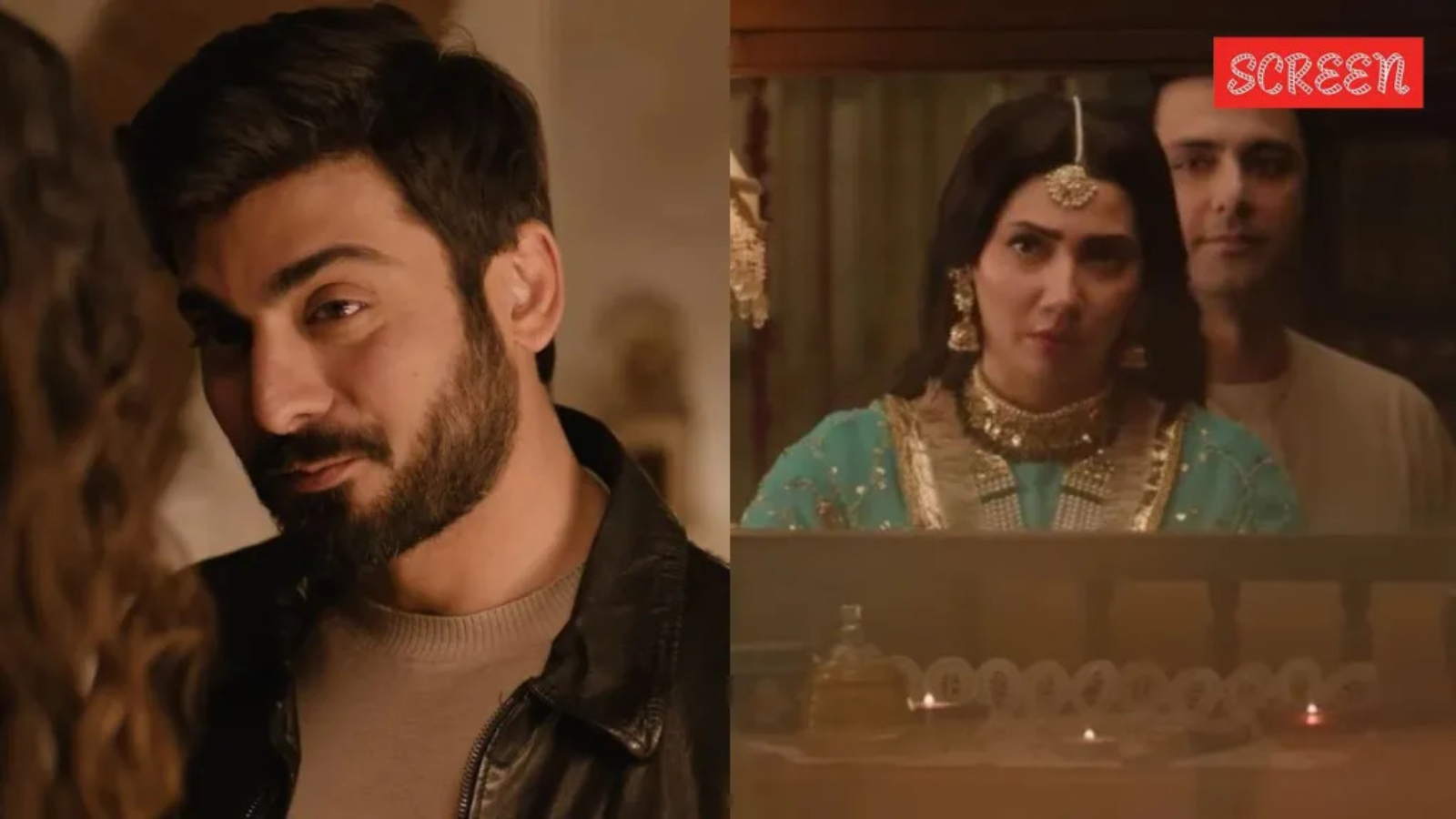
The anticipation surrounding "Jo Bachay Hain Sang Samait Lo," the high-profile drama adaptation headlined by popular actors Fawad Khan and Mahira Khan, has ignited widespread interest across India. Even in the shadow of enduring political friction and industry-led boycotts, the forthcoming serialized drama has rapidly captured the attention of Indian viewers drawn to Pakistani storytelling.
This cultural resonance emerges against a backdrop of sustained institutional opposition within India's entertainment sector. Trade unions and cine workers' associations, including the All Indian Cine Workers Association and the Federation of Western India Cine Employees, have consistently campaigned against Pakistani artists and productions, urging authorities to uphold an uncompromising ban.
Regulatory authorities in India have previously issued strict advisories to over-the-top streaming services, discouraging platforms from hosting or acquiring content originating from Pakistan. Enacted primarily on national security and public sentiment grounds following bilateral military standoffs, these directives have severely curtailed the official theatrical and televised release of cross-border media.
Yet consumer appetites in India have routinely bypassed administrative barriers through international streaming catalogs, digital clips, and online community networks. Indian viewers have steadily pursued Pakistani television serials on platforms like YouTube and social networks, attracted by their literary depth, grounded romantic arcs, and concise episode formats.
Cross-border interest in Pakistani television has deep historical roots, evolving from videotape exchanges in earlier decades to the widespread success of dedicated cable channels like Zindagi. Hits such as "Humsafar" and "Zindagi Gulzar Hai" previously established Fawad Khan and Mahira Khan as household names across Indian cities, forging an emotional connection that political impasses have failed to erase.
Media scholars and cultural commentators note that the phenomenon is driven largely by shared linguistic sensibilities and relatable domestic settings. The nuanced use of Urdu dialogue, nuanced family dynamics, and realistic depictions of emotional conflict resonate particularly with North Indian audiences who share close cultural and linguistic proximities.
For multinational streaming platforms such as Netflix, navigating this divided landscape presents significant operational and diplomatic hurdles. Global entertainment giants frequently seek content that can unify large South Asian diasporas, but they must balance commercial ambitions against local regulatory compliance and vocal domestic trade organizations in India.
The ongoing reception to the series also revives longstanding arguments over the role of art during geopolitical conflicts. While advocates argue that cinema and literature serve as essential bridges of empathy between ordinary citizens, domestic industry groups insist that commercial boycotts are necessary to reflect national security priorities.
As digital distribution continues to diminish traditional geographical boundaries, the enduring popularity of Pakistani serials in India indicates that cross-border artistic appreciation remains resilient. Whether consumed through licensed global services or shared across decentralized online spaces, audience interest is expected to keep cross-border entertainment firmly in focus.
Primary source: The Indian Express. Newzly rewrites and structures source reporting for clarity; verify critical details at the original.