Binance Restores HYPE and APT Withdrawals as Data Shows Substantial Reserve Outflows
Binance has reinstated withdrawals for HYPE and APT following a $6.3 billion October breach. While CryptoQuant data shows substantial reserve declines, daily outflow pressures appear to be moderating.
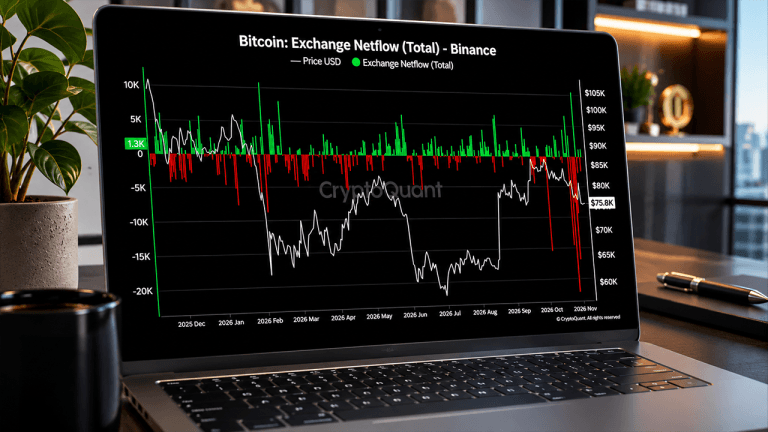
Binance restored withdrawal services for Hyperliquid and Aptos on Sunday, advancing its phased recovery from a historic security breach suffered last month. The resumption of transfers for HYPE and APT follows extensive technical checks designed to verify the integrity of the platform's custody and settlement systems. It marks one of several incremental steps taken by the exchange to bring full account functionality back online.
The recovery efforts follow an unprecedented cyberattack in October that resulted in approximately $6.3 billion in compromised funds. The sheer scale of the incident prompted the digital asset trading platform to restrict multiple withdrawal rails and initiate sweeping reviews of network connections. Resuming transfer functionality for individual altcoins represents a gradual unwinding of those emergency limitations.
Even as platform services resume, on-chain analytics show that the financial impact of the event remains visible across exchange balance sheets. Data compiled by blockchain intelligence firm CryptoQuant reveals substantial declines in Binance's reserve balances for major cryptocurrencies, including bitcoin, ethereum, and stablecoins. The drawdown highlights significant shifts in user custody preferences following the attack.
The steep contraction in asset reserves points to widespread redemptions and transfers away from the venue in the wake of the breach. In high-volatility events, traders and institutions often reposition funds to private wallets or alternative platforms to mitigate exposure while security audits remain ongoing. These collective actions led to the multi-billion-dollar outflow patterns highlighted in recent market reporting.
However, the same on-chain metrics also offer tentative signs of operational stabilization across the exchange's ledger. CryptoQuant's latest figures indicate that daily withdrawal pressures have begun to ease after days of elevated transfer volumes. This deceleration suggests that the initial wave of urgent liquidity departures may be leveling off as platform operations normalize.
Re-enabling withdrawals for specific tokens like HYPE and APT requires deliberate operational diligence to prevent recurring vulnerabilities. Engineering teams must ensure that underlying smart contracts, bridge infrastructure, and wallet nodes are fully insulated before reopening transaction queues. The step-by-step restoration model reflects standard incident response protocols across the cryptocurrency exchange sector.
Market participants have closely monitored Binance's handling of the crisis, given the exchange's prominent role in global digital asset liquidity. An exploit of this magnitude creates acute operational and reputational challenges, making the transparent restoration of core services critical for maintaining user trust. Observers are tracking both technical milestones and the pace of remaining token reinstatements.
The sharp reduction in bitcoin, ethereum, and stablecoin holdings also underscores the speed with which exchange liquidity can adjust during sudden market stress. While the CryptoQuant data suggests the heaviest daily outflows have tempered, the altered reserve profile reflects lasting structural shifts in depositor positioning. Analysts note that rebuilding total platform reserves typically depends on long-term stability and sustained market participation.
Looking ahead, the focus remains on whether daily withdrawal activity continues to stabilize as more token networks are reactivated. Market watchers will keep scrutinizing public on-chain reserves to evaluate how Binance balances full service restoration with ongoing risk mitigation. The coming days are expected to clarify whether the easing withdrawal pressure represents a durable plateau or a temporary pause in outflows.
Primary source: Bitcoin.com News. Newzly rewrites and structures source reporting for clarity; verify critical details at the original.