Black Friday Deals Face Pressure as AI Memory Shortage Drives Up Electronics Costs
Holiday shoppers may find fewer steep discounts this Black Friday as enterprise artificial intelligence demand strains global memory supplies. The rising cost of hardware components is expected to leave retailers with little room for traditional markdowns.
In this piece
Holiday shoppers may face higher electronics prices this Black Friday as the artificial intelligence boom tightens global memory chip supplies. With component…
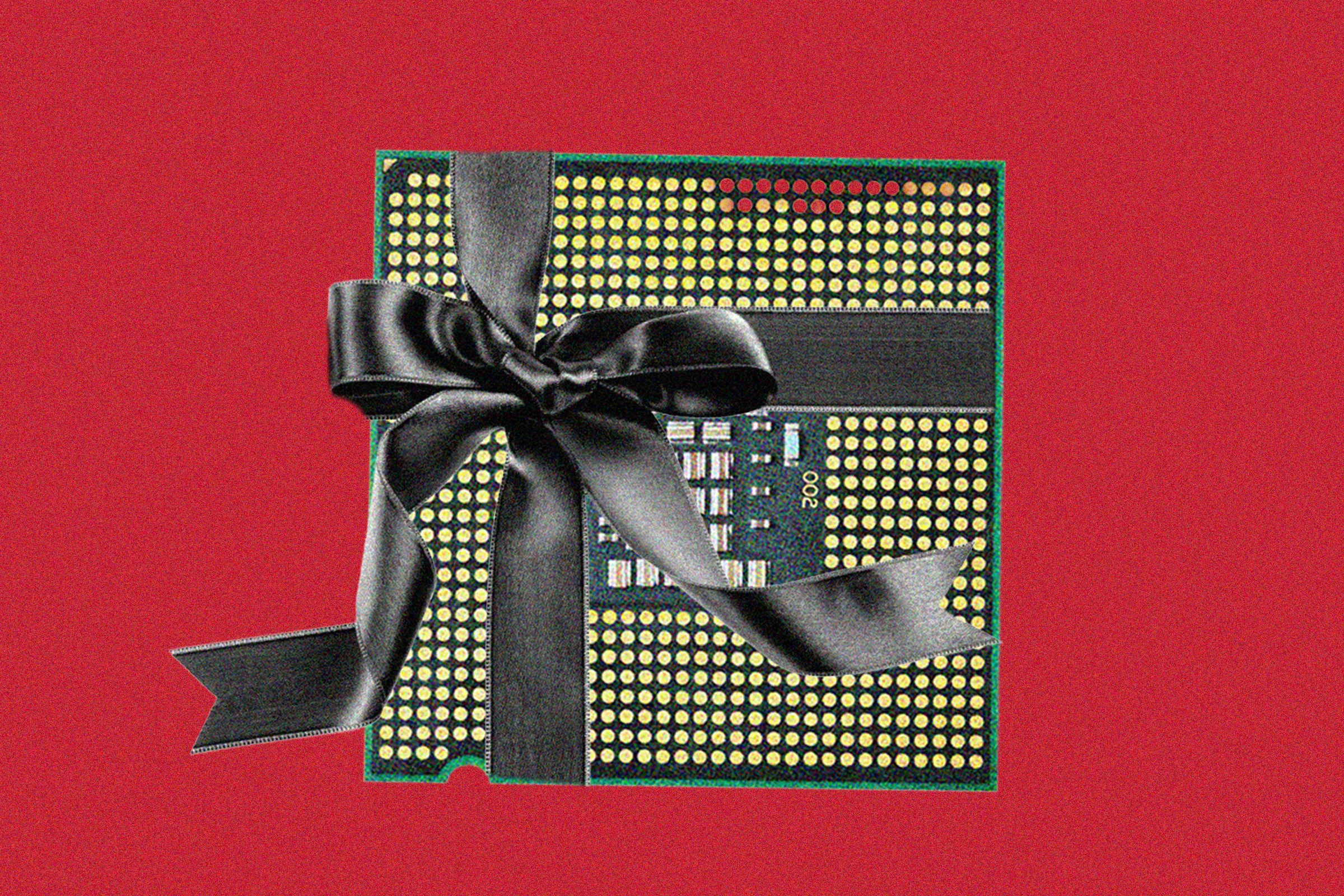
Holiday shoppers preparing for traditional seasonal discounts may encounter notably higher price tags this year, as the global memory shortage driven by artificial intelligence infrastructure begins affecting retail shelves. According to reporting from Wired, even flagship promotional periods like Black Friday are unlikely to offer their customary relief for consumer electronics buyers. The rising cost of hardware components is expected to reshape holiday retail strategies, dampening the steep markdowns that shoppers have come to anticipate.
At the center of this pricing pressure is the massive reallocation of semiconductor manufacturing capacity toward enterprise artificial intelligence systems. Leading memory manufacturers have increasingly shifted fabrication resources toward specialized high-bandwidth memory and enterprise-grade dynamic random-access memory needed to power AI data centers. Because modern AI training and inference demand extraordinary volumes of memory, commercial tech giants have secured vast shares of global chip production.
This reallocation has created a noticeable squeeze on conventional memory chips designed for consumer electronics. Standard DRAM and flash storage modules are fundamental building blocks for personal computers, smartphones, tablets, and gaming systems. With silicon production lines increasingly occupied by high-margin enterprise orders, the available supply for mainstream consumer devices has tightened, steadily driving up the cost of raw electronic parts.
Historically, major shopping events like Black Friday have functioned as crucial clearinghouses for electronics makers and retail chains seeking to move high-volume inventory. Retailers frequently partner with device makers to offer eye-catching discounts, taking advantage of lower component replacement costs and surplus stock. Under current market conditions, however, the elevated baseline expense of hardware components leaves businesses with far less financial leeway to absorb aggressive price cuts.
The resulting margin pressure forces manufacturers and merchants into difficult commercial decisions ahead of the fourth quarter. Companies must decide whether to absorb shrinking profit margins to remain competitive or pass the increased costs directly down to holiday shoppers. With supply chains continuing to absorb higher procurement expenses across the board, many brands are prioritizing price stability over volume-driving clearance sales.
Industry watchers suggest that consumers may notice subtle but distinct changes in how deals are packaged and presented this season. Rather than slashing prices across top-tier laptops and flagship phones, retailers may focus promotions on older device generations, peripheral accessories, or digital services and subscription bundles. Premium configurations featuring larger memory allocations are particularly likely to retain their full retail pricing throughout the promotional calendar.
For households planning their annual holiday technology purchases, the tightening environment calls for more deliberate budgeting and research. Buyers who typically postpone major electronic purchases until late November in search of doorbuster deals may find fewer genuine bargains available. Shoppers may instead encounter narrower discounts that do little to offset the broader inflationary pressures currently felt across modern consumer electronics.
The ripple effects of the enterprise artificial intelligence boom underscore the deep interconnectedness of the modern semiconductor supply chain. What began as a high-stakes hardware race among cloud providers and AI research laboratories is now directly shaping everyday consumer commerce. Analysts note that as long as artificial intelligence buildouts continue to consume outsized manufacturing capacity, component supply dynamics will remain skewed.
Looking ahead, market observers anticipate that retail pricing will remain sensitive to semiconductor allocation well past the current holiday season. While chipmakers are investing heavily in expanding overall manufacturing capacity, new fabrication facilities require years to become fully operational. Until broader memory supply catches up with structural enterprise demand, consumer electronics buyers can expect seasonal promotional events to look noticeably more expensive than in years past.
Primary source: Wired. Newzly rewrites and structures source reporting for clarity; verify critical details at the original.