Two skulls used in Harvard eugenics studies returned to Brazil
The remains, believed to be those of Africans or Afro-Brazilians, returned after more than a century abroad. One may have belonged to a participant in Brazil’s greatest slave revolt.
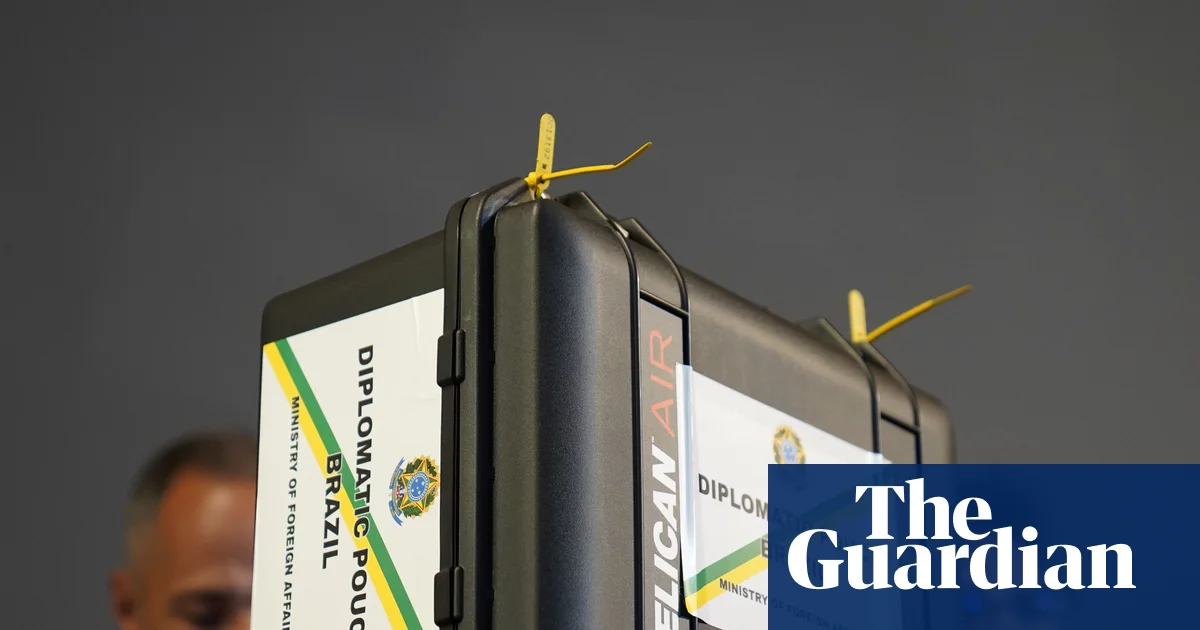
Two skulls believed to have belonged to enslaved Africans or Afro-Brazilians were repatriated to Brazil on Wednesday after spending more than a century outside the country, The Guardian reported. The remains had been taken to the United States and used in racist eugenics studies at Harvard University.
Brazilian diplomats flew the remains back, and subdued ceremonies marked their return in Salvador and Rio de Janeiro. The homecomings brought the skulls back to the cities from which they had been removed in the 19th century, ending long periods abroad while leaving questions about the individuals’ identities unresolved.
One skull had been taken about 190 years ago from Salvador, the capital of Bahia state. It is believed to have belonged to a man who participated in what The Guardian described as Brazil’s greatest slave revolt, although the account does not establish that connection as certain.
The other skull was taken from Rio de Janeiro about 160 years ago. Both sets of remains are believed to have belonged to Africans or Afro-Brazilians, but the available report does not provide confirmed identities or detailed accounts of their lives before their remains were removed from Brazil.
Their use in racist eugenics studies places the repatriation within the history of research that treated human remains as material for claims about racial difference and hierarchy. That history is central to the significance of the return: the skulls were not simply held abroad, but were used in work grounded in racist ideas.
The possible connection to an enslaved revolt participant gives the Salvador return an additional historical dimension. It links the remains, provisionally, to resistance against slavery rather than solely to the circumstances of their removal and study. The distinction between a believed connection and a confirmed identification remains important in describing the man’s story.
The ceremonies in the two cities marked a change in how the remains were received, from objects used in research to human remains brought home. The Guardian described the occasions as moving and subdued. Its account offers no further details about the ceremonies or who participated beyond the diplomats involved in bringing the skulls back.
The repatriation ends the remains’ long absence from Brazil, but the available account does not specify their next destination or arrangements for burial, custody or commemoration. Nor does it explain whether further work could clarify their identities. For now, the reported outcome is their return to Salvador and Rio de Janeiro, with the uncertainty surrounding their individual histories still acknowledged.
Primary source: The Guardian World. Newzly rewrites and structures source reporting for clarity; verify critical details at the original.