Brewers Withstand Rays' Ninth-Inning Push for Dramatic World Series Game 1 Win
The Milwaukee Brewers edged the Tampa Bay Rays 3-2 to take Game 1 of the World Series, withstanding a ninth-inning rally after a potential game-ending double play was overturned on review.
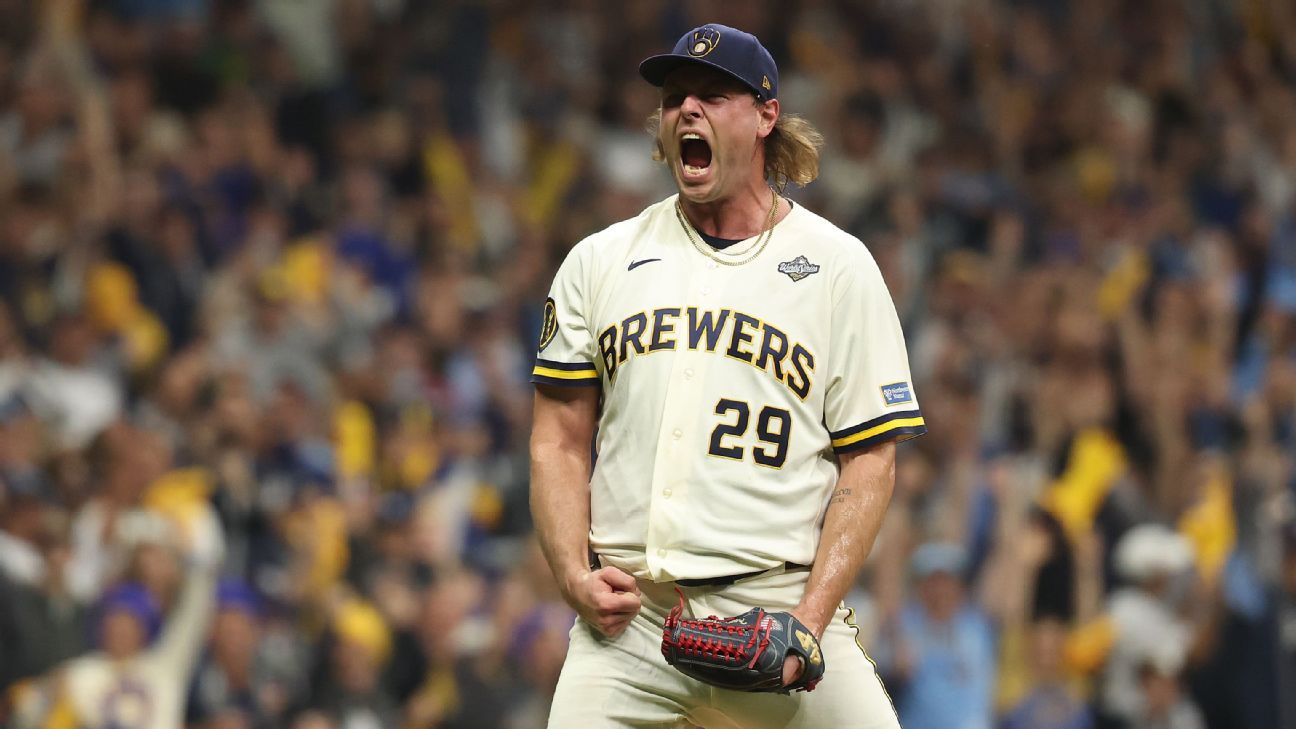
The Milwaukee Brewers held off a late ninth-inning rally by the Tampa Bay Rays to secure a 3-2 victory in Game 1 of the World Series, taking an early series lead after a dramatic sequence of final plays. Milwaukee survived intense pressure in the closing frames when an apparent game-ending double play was overturned upon official review, forcing the Brewers to record an extra out under peak championship pressure.
Trevor Megill navigated the ninth-inning jam to record the final out and preserve the one-run advantage, shutting down Tampa Bay's comeback bid just as the contest appeared to tilt toward extra innings. The high-wire escape capped an opening clash defined by razor-thin margins, pitching resilience, and the immediate impact of instant replay on the sport's biggest stage.
Throughout October baseball, opening games frequently serve as tone-setters for a best-of-seven series, placing immense psychological weight on every late-inning defensive decision and pitching matchup. By converting their narrow lead into a victory, the Brewers avoided what could have been a demoralizing blown save, while the Rays demonstrated their ability to generate late-inning pressure even when trailing.
The pivotal moment arrived with Milwaukee on the verge of victory, as defensive execution initially seemed to deliver the contest's final double play. However, umpires initiated a formal video review of the play, ultimately overturning the initial call on the field and keeping the Rays alive with runners in scoring position.
Such replay reviews inevitably alter the emotional rhythm of high-leverage innings, introducing unexpected delays while bullpens and dugouts wait for a definitive ruling from the replay center. For a relief pitcher, maintaining focus and mechanics across an extended stoppage requires considerable composure, particularly with the tying and potential go-ahead runs lingering on the basepaths.
Megill's ability to refocus and escape the jam prevented Tampa Bay from completing an improbable turnaround, underscoring the critical value of reliable late-game relief in postseason competition. Milwaukee's bullpen management ultimately withstood the test, maintaining composure despite seeing an apparent celebration momentarily put on hold.
For the Rays, the ninth-inning threat affirmed their capacity to challenge elite relievers and mount sudden pressure, even when facing a deficit against a locked-in pitching staff. While Tampa Bay fell short of tying or taking the lead, their persistent push in the final inning highlighted the persistent vulnerability of one-run postseason leads.
Winning Game 1 carries substantial statistical and psychological value in a Fall Classic, historically granting the victor significant leverage over bullpen deployment and rotation strategy across the remainder of the series. Milwaukee now holds immediate series control, forcing Tampa Bay into an urgent position where avoiding an early two-game deficit becomes paramount.
Both clubs will look ahead to Game 2 with clear tactical adjustments in mind, as managers evaluate bullpen availability and high-leverage matchups after an emotionally draining opener. With the opening drama establishing how slim the margin for error remains between these two pennant winners, the series promises continued intensity as the Fall Classic unfolds.
Primary source: ESPN. Newzly rewrites and structures source reporting for clarity; verify critical details at the original.