Retail Sales in Great Britain Fall 0.4% as Struggling Households Cut Back
British retail sales volumes fell 0.4% in September as unseasonably warm weather and persistent cost pressures forced struggling households to curb discretionary spending ahead of the government budget.
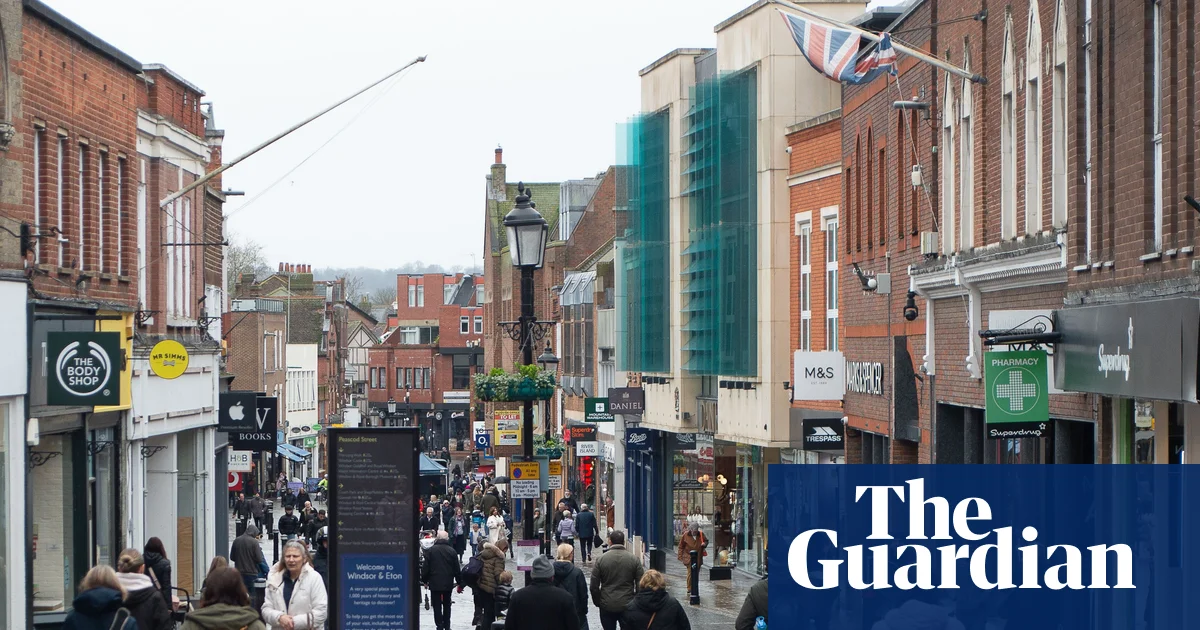
Retail sales across Great Britain dropped more sharply than anticipated in September, as cash-strapped households reined in their spending amid persistent cost-of-living pressures. Figures released by the Office for National Statistics showed that sales volumes slipped by 0.4% month-on-month, significantly underperforming the 0.1% contraction forecast by economists.
The downturn was driven in part by a notable slump in clothing and footwear demand, as unseasonably warm weather discouraged consumers from purchasing autumn and winter wardrobes. In-store and online apparel merchants reported subdued footfall and lower turnover during what is traditionally an active transitional shopping window.
Household budgets faced additional strain from elevated pump prices during the month, reducing discretionary spending power across non-essential categories. While the official figures showed motor fuel sales volumes rose, the higher outlay on essential motoring costs left families with tighter margins for general retail goods.
The latest monthly pullback reflects ongoing fragility in consumer sentiment, which has been battered by sustained inflationary pressures and elevated borrowing costs over recent months. Analysts pointed out that lower- and middle-income households are directing their resources toward essential utility bills and food rather than discretionary purchases.
Consumer hesitation has been further compounded by anxiety surrounding government fiscal policy ahead of the upcoming budget. Retail industry monitors observed that widespread speculation over tax changes and public expenditure has encouraged households to adopt a wait-and-see approach, deferring non-essential purchases until the economic landscape becomes clearer.
The contraction presents an unwelcome hurdle for high-street chains and independent shops that were hoping for a sustained rebound following months of sluggish activity. Retailers continue to grapple with their own rising operating overheads, including wage increases and elevated logistical expenses, which cannot easily be passed onto cash-conscious customers.
The disappointing September performance also raises concerns for the retail sector's performance heading into the critical final quarter of the year. The golden quarter, which encompasses major promotional periods such as Black Friday and the Christmas shopping rush, typically accounts for a substantial share of annual commercial profits.
From a broader macroeconomic perspective, the weaker retail figures underscore the sluggish pace of domestic economic growth. Because consumer spending forms a central engine of the British economy, persistent retrenchment among shoppers threatens to dampen overall output and complicate fiscal planning.
Retailers are now pinning their hopes on colder weather in the coming weeks and targeted promotional discounts to kickstart delayed winter purchases. However, industry analysts caution that unless household disposable income sees meaningful relief and consumer confidence stabilizes, spending across British high streets is likely to remain subdued through the end of the year.
Primary source: The Guardian Business. Newzly rewrites and structures source reporting for clarity; verify critical details at the original.