Budget 2026: £100 energy payment as watchdog warns of weak living standards
John Healey’s budget includes a £100 energy payment for millions and a higher bank tax, as the OBR forecasts living standards will rise just 1% over the post-Covid decade.
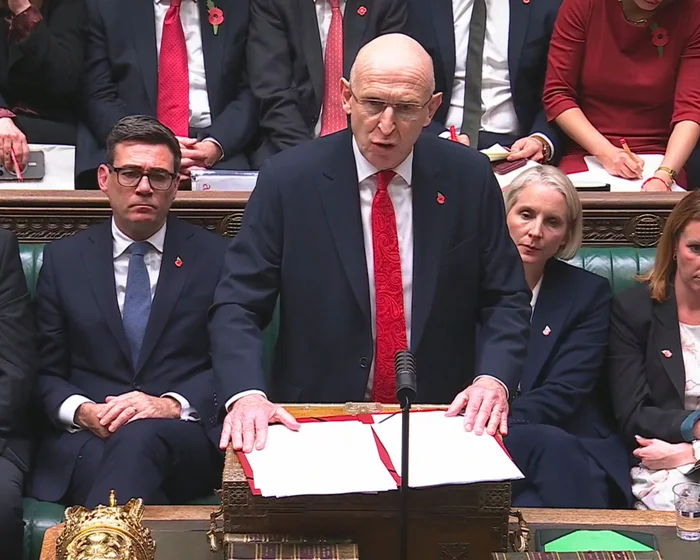
John Healey’s 2026 budget includes a £100 energy payment for millions and an increase in bank tax, according to the Guardian’s budget coverage. The measures come against a weak outlook for household finances, with the Office for Budget Responsibility forecasting that living standards will rise by just 1% over the whole post-Covid decade.
The watchdog’s forecast places the immediate support in a broader economic context: a payment can help with household costs without necessarily signalling a sustained improvement in prosperity. The projected 1% increase covers the decade as a whole, rather than representing an annual rate of improvement. It is also a forecast, not a completed measure of the period’s outcome.
Energy charges are another focus of the announcements. Consumer finance campaigner Martin Lewis said that, during a meeting with Healey that morning, the chancellor discussed going further after removing standing charges from gas bills. According to Lewis’s account, Healey would also like to eliminate the equivalent charges on electricity bills, although that change would take longer.
Lewis said the chancellor intended to speak to Ofgem about how electricity standing charges could be removed. His account described that task as more difficult than the change to gas bills. That leaves an important distinction between the gas measure described in the report and the electricity proposal, which remains an ambition requiring further work rather than a confirmed equivalent reform.
Standing charges are the fixed component of an energy bill, separate from the amount charged for consumption. Removing that component changes the structure of a bill, but the effect on an individual household also depends on how the remaining costs are treated. The reported discussions do not, by themselves, establish what a future electricity charging arrangement would look like.
The £100 payment offers a more immediate and easily identifiable form of assistance. Its significance for recipients will nevertheless depend on their wider household costs and circumstances. Set beside the OBR’s decade-long forecast, the announcement highlights the difference between providing relief from a particular expense and securing a lasting improvement in living standards across the economy.
The reported increase in bank tax adds a revenue-raising measure to a budget also offering household support. The supplied report does not establish the increase’s rate, duration or expected proceeds. It therefore does not provide a basis for concluding how much of the energy assistance would be financed by the banking measure, or for assessing its wider consequences.
Attention now turns to delivery of the household payment and to any further detail on electricity standing charges. Lewis’s account points to discussions with Ofgem as the next step on that proposal, rather than an immediate change. The OBR forecast, meanwhile, leaves a longer-term test for the budget: whether short-term assistance is followed by a more substantial improvement in household finances.
Primary source: The Guardian Business. Newzly rewrites and structures source reporting for clarity; verify critical details at the original.