Budget 2026: Foreign Travel, EVs and Solar Panels Set to Get Cheaper
India’s Budget 2026 tax changes could lower overseas travel costs and prices for electric vehicles and solar panels, according to Divya Bhaskar. Alcohol may become costlier, while trading faces higher taxes.
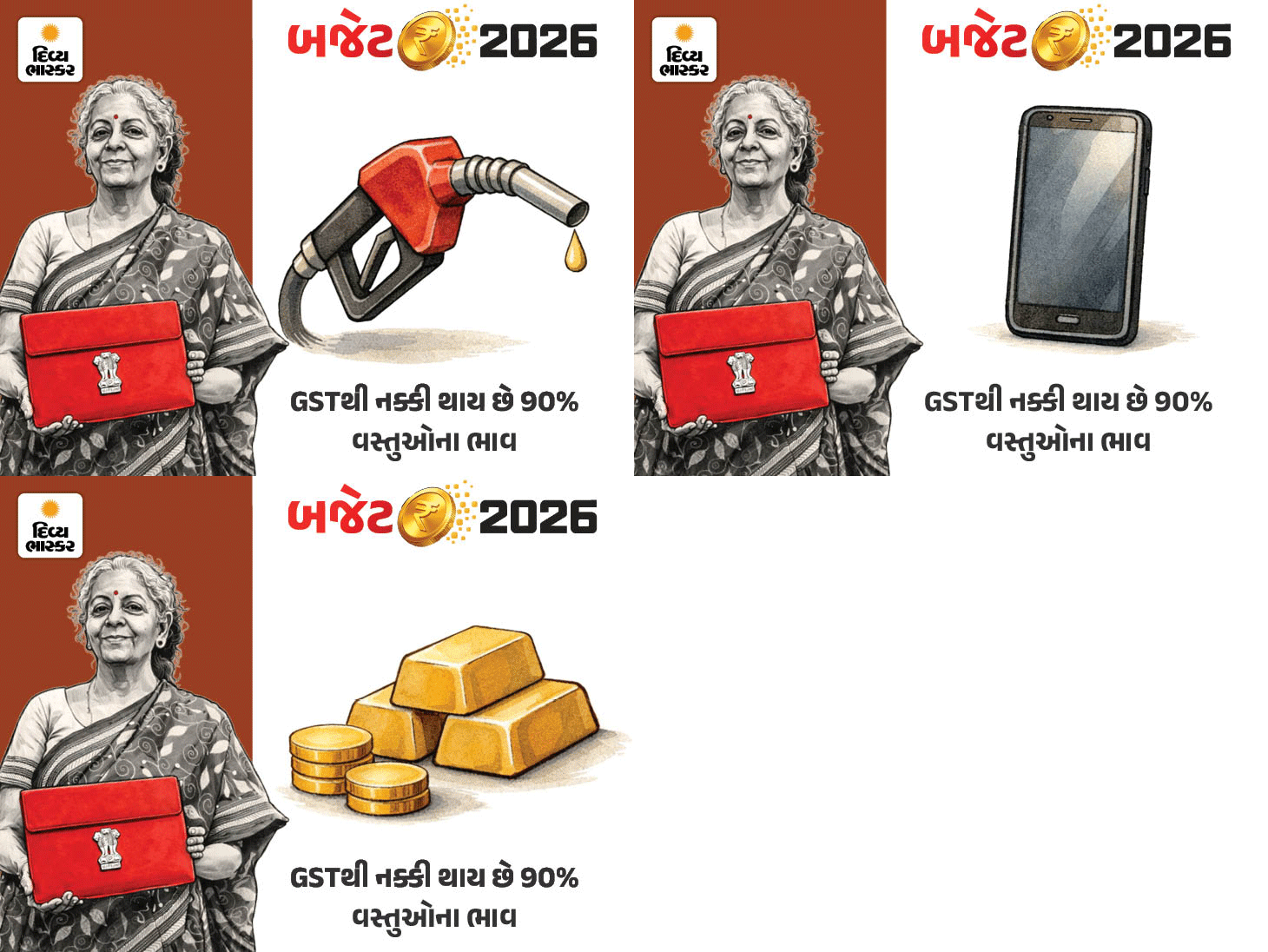
In this piece
Divya Bhaskar’s Budget 2026 coverage points to tax relief affecting overseas travel, electric vehicles and solar panels, alongside higher taxes on trading.…
India’s Budget 2026 includes tax changes that could make foreign travel, electric vehicles and solar panels cheaper, according to a Divya Bhaskar headline outlining the measures. The report also flags higher taxes on trading and the possibility of more expensive alcohol, pointing to different effects across household purchases and financial activity.
The supplied source material consists of a headline rather than the full report or budget documents. It identifies the broad direction of the changes but provides no tax rates, effective dates or eligibility conditions. Those missing details limit any assessment of the savings or additional costs for individual consumers.
For overseas travel, the headline says the government has reduced taxes and presents foreign trips as becoming cheaper. It does not identify the particular levy involved or explain which travel payments would qualify. The information therefore does not establish whether the relief affects the overall cost of a trip or a specific payment associated with it.
Electric vehicles are also listed among the products expected to become less expensive. However, the headline does not distinguish between taxes on finished vehicles and those affecting components or other inputs. Without that distinction or a stated reduction, it is not possible to calculate a change in the purchase price of a particular vehicle.
The report similarly points to lower prices for solar panels, but the supplied material contains no product-level breakdown. It does not explain whether the measure applies broadly or only to certain items. Buyers would need those details before treating the reported tax relief as a confirmed reduction in the cost of a solar installation.
On alcohol, the source uses conditional language, saying prices could rise rather than confirming an increase. It gives no details about the tax mechanism, products covered or size of any potential change. That distinction matters: the headline signals a possible price effect, not a documented increase across all alcoholic beverages.
Trading faces a tax increase, according to the same headline, although the affected transactions and revised rates are not specified. The available information does not establish how different market participants would be affected. A more precise assessment would require the relevant provisions rather than a general assumption that every form of trading faces the same additional charge.
Taken together, the headline describes a budget with both relief and higher charges, rather than a uniform shift in consumer costs. The next step for buyers, travellers and traders is to check the detailed measures and their commencement dates. Until those are established, the reported cheaper-or-costlier categories indicate direction, not a reliable estimate of anyone’s final bill.
Primary source: Divya Bhaskar Budget 2026. Newzly rewrites and structures source reporting for clarity; verify critical details at the original.