Budget 2026: Healey Hikes Taxes on Banks and Landlords to Fund £100 Winter Handouts for 20 Million Households
Chancellor John Healey delivered his first budget on Tuesday, raising levies on banks and landlords to finance a £100 cost-of-living payment while blaming a geopolitics-driven energy crunch for Britain's prolonged financial squeeze.
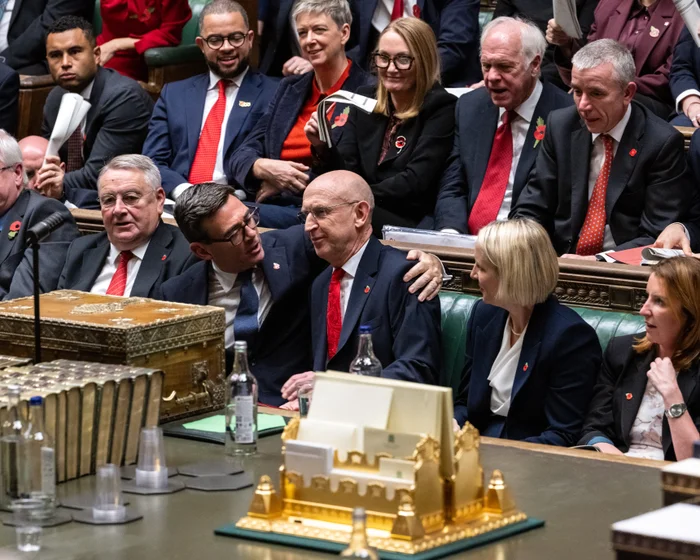
Chancellor John Healey delivered his first budget on Tuesday, announcing new tax rises on banks and landlords to fund a one-off £100 winter payment for roughly 20 million households across the United Kingdom. The package was framed as a targeted response to a cost of living crisis that official forecasts suggest shows no sign of abating.
In a speech widely characterised as low-key in tone and light on surprises, Healey told MPs that the UK was being buffeted by "global economic storms" that were beyond the immediate control of any single government. He pointed in particular to the ongoing war in Iran as a primary factor driving up global oil and gas prices and adding pressure to household energy bills.
The £100 handout is structured as a flat-rate winter payment aimed at easing energy costs for lower- and middle-income families. With 20 million households set to receive it, the measure represents a significant if modest intervention at a time when energy costs remain elevated and real wages continue to face pressure.
To finance the transfer, Healey announced increases to the levy burden on the banking sector and on residential landlords. The precise rates and phasing of those increases were not detailed in the source material available at the time of publication, and the Treasury is expected to release full technical documents alongside the budget statement.
Official forecasts accompanying the budget made clear that the cost of living crisis is expected to persist. The forecasters offered no firm timeline for when inflation and energy prices might normalise, leaving the government politically exposed on an issue that defined the previous parliament.
The war in Iran has emerged as a defining external shock for the UK economy in 2026, with conflict in a major oil-producing region contributing to elevated global energy benchmarks. Healey's framing of the crisis as internationally driven is consistent with the approach taken by finance ministers across Europe, though opposition parties are likely to argue that domestic policy choices have compounded the pressure.
Critics had expected the budget to go further on support for households and on investment stimulus. The relatively restrained nature of the statement appears to reflect Treasury caution about borrowing headroom, though Healey did not directly address the fiscal rules framework in the excerpts available.
The decision to target banks and landlords for higher taxation is politically resonant for a Labour government seeking to demonstrate that the burden of adjustment falls on sectors perceived as having benefited from the high-interest-rate environment of recent years. Banks in particular have recorded strong net interest margins as rates rose, and landlords have faced sustained public pressure over rental costs.
Labour's broader economic strategy has emphasised stability and incremental redistribution rather than transformative structural change, and Tuesday's budget appears consistent with that posture. The £100 payment is unlikely to materially offset the cumulative impact of elevated energy bills, but the government will argue it demonstrates a commitment to stand by struggling families.
Attention will now turn to how the measures are received by markets, business groups, and Labour's own backbenches — as well as to the finer details of the bank and landlord levies, which will be scrutinised closely in the days following the statement. Healey faces the challenge of managing expectations in an economic environment where external forces continue to limit the room for manoeuvre.
Primary source: The Guardian Business. Newzly rewrites and structures source reporting for clarity; verify critical details at the original.