Can decentralized phone networks power the AI revolution?
Decentralized AI networks aim to transform smartphones into powerful computing nodes, but technical and practical hurdles remain.
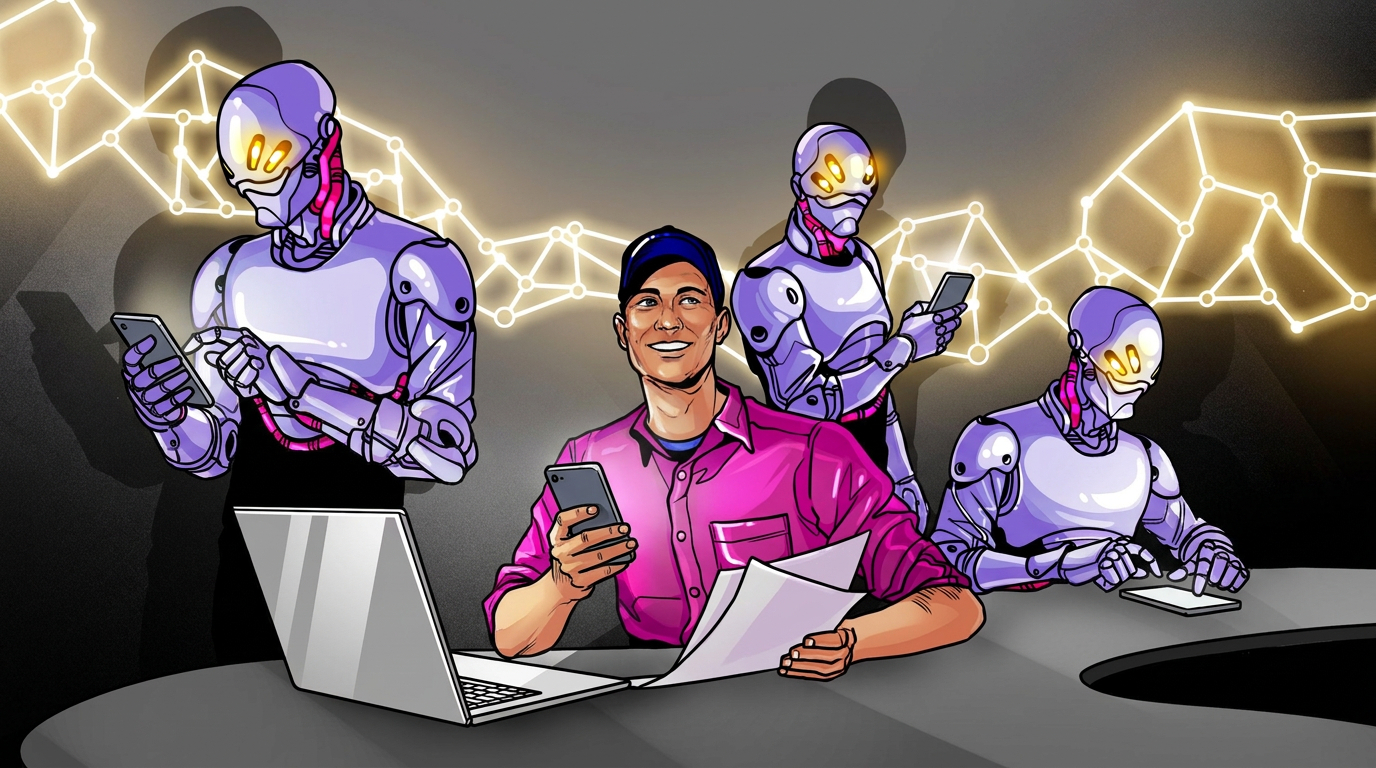
A new wave of decentralized AI networks is emerging that aims to harness the collective computing power of smartphones to fuel artificial intelligence advancements. These systems propose transforming ordinary mobile devices into nodes within distributed computing networks, potentially reducing reliance on massive data centers.
The concept hinges on the idea that individual phones could contribute processing power to train AI models or perform complex computations. Proponents argue this approach would democratize access to AI capabilities while improving privacy through decentralized data handling. Several startups and blockchain projects are developing frameworks for such networks, leveraging distributed ledger technology to coordinate device participation.
However, significant technical challenges remain. Smartphones have limited battery life, processing capacity, and network connectivity compared to specialized servers. The computational demands of modern AI training often exceed what mobile devices can reasonably handle. Additionally, coordinating thousands of heterogeneous devices presents logistical difficulties in terms of synchronization, security, and data integrity.
Industry experts question whether the performance gains would justify the complexity. Centralized cloud infrastructure remains more efficient for intensive computing tasks. Critics also point to potential privacy risks, as decentralized systems may still require significant data sharing between devices. Network reliability and consistent uptime are additional concerns when relying on consumer-grade hardware.
Despite these reservations, some researchers believe the approach could work for specific applications like edge AI inference or lightweight model training. The technology might be particularly useful in areas with limited internet connectivity where traditional cloud services are impractical. Early pilot programs have shown promising results in controlled environments.
The long-term viability of decentralized AI networks will likely depend on technological advances in mobile processors, battery efficiency, and network protocols. Companies and developers continue experimenting with hybrid models that combine centralized and distributed computing approaches. Regulatory frameworks for such systems are still evolving, particularly regarding data governance and liability.
As the AI landscape continues to evolve, decentralized networks may find their niche in specialized use cases rather than replacing traditional infrastructure entirely. The approach could complement existing systems by providing alternative pathways for certain computational tasks. Success will ultimately hinge on overcoming current technical limitations while demonstrating clear advantages over centralized solutions.
Industry analysts suggest that widespread adoption is still years away, but the concept has sparked significant interest among developers and investors. The intersection of mobile computing, AI, and blockchain technology continues to generate innovation, even if practical implementation remains challenging.
Primary source: CoinTelegraph. Newzly rewrites and structures source reporting for clarity; verify critical details at the original.