Chandigarh civic body floats 14 tenders worth Rs 3.8 crore on a holiday, before poll code
The Indian Express reports that the Chandigarh Municipal Corporation issued 14 tenders totaling Rs 3.8 crore on a holiday, shortly before an election code of conduct is expected to take effect.
In this piece
Chandigarh’s municipal corporation has floated 14 tenders worth Rs 3.8 crore on a holiday and ahead of a poll code of conduct, The Indian Express reports. The…
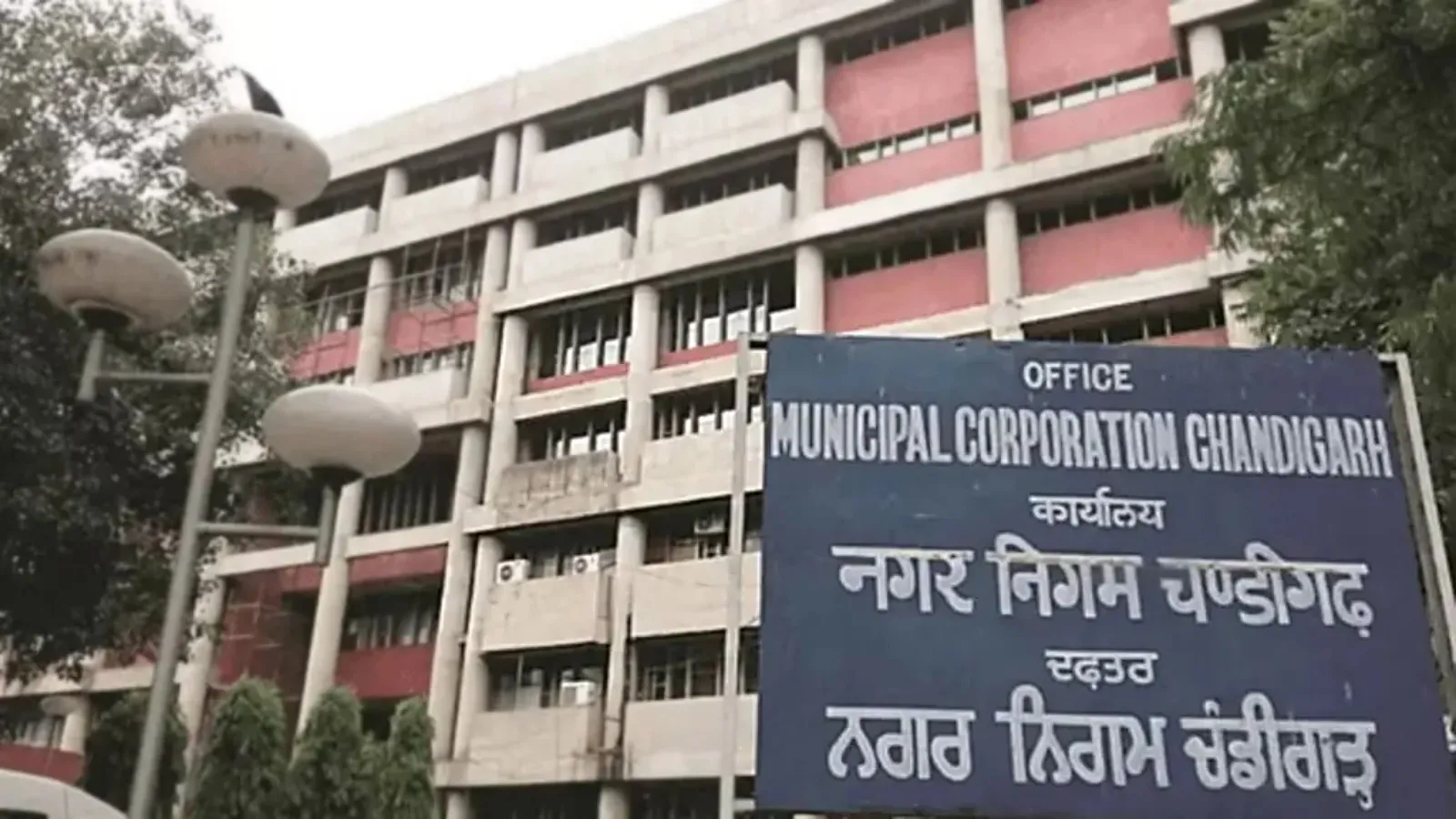
The Chandigarh Municipal Corporation has floated 14 tenders worth Rs 3.8 crore on a holiday and ahead of a poll code of conduct, The Indian Express reported. The notices, as described in the report, were issued before the code that governs official conduct once an election process is formally under way.
The Indian Express framed the timing as the central point of the story: the civic body moved the tenders on a day described as a holiday, and it did so while a code of conduct linked to a poll was still ahead. The published account available here does not name the holiday, list the individual works, or identify which election the code concerns.
In India’s election system, a model code of conduct is generally imposed after an election is announced and remains in force through polling and counting. While it is in effect, governments and local bodies are ordinarily expected to avoid new policy decisions, fresh financial commitments, and steps that could be seen as influencing voters. How those limits apply to a particular tender depends on the election notification and on instructions issued for that poll.
Municipal corporations use public tenders to hire contractors for civic works such as roads, drainage, sanitation, and building repairs. A combined value of Rs 3.8 crore — 3.8 crore rupees — is a modest sum beside a large city’s annual budget, but it is still public money committed through a formal bidding process. The Indian Express report, as reflected in this account, gives the number of tenders and the total value without breaking the figure into separate packages.
Issuing notices before a code takes effect can allow a civic body to start a procurement that might later be harder to open. That sequence is why the holiday and the approaching code are being reported together. The account does not say whether officials described the works as urgent, routine, or already approved.
Putting tenders out on a holiday is unusual enough to draw attention because most government offices are closed and public scrutiny is lighter. The report does not say whether the portal remained open only for uploading notices, whether any officer was present, or whether bidders could respond the same day. Those operational details are not in the material available here.
Chandigarh is a Union Territory with its own municipal corporation responsible for local civic services. Procurement by that body is meant to follow tender rules on publicity, eligibility, and evaluation. Nothing in the report states that those rules were skipped; the question it raises is about when the notices were issued, not about a named irregularity in their contents.
Because the source account is limited to the count, the value, the holiday, and the approaching code, it is not possible to say from this material which neighborhoods would benefit or which departments sponsored the tenders. Attributing specific projects, contractors, or political motives would go beyond what The Indian Express item states.
What happens next will turn on the bid calendars in the tender documents and on the date a code of conduct, if any, is imposed. If the code begins before bids are opened or work orders are issued, election authorities and the civic administration may have to decide whether the process can continue. The Indian Express report does not record such a decision.
Until fuller tender documents or a subsequent official clarification are published, the established facts remain those in the report: 14 tenders, a combined value of Rs 3.8 crore, issued by the Chandigarh Municipal Corporation on a holiday and ahead of a poll code of conduct.
Primary source: Google News Chandigarh. Newzly rewrites and structures source reporting for clarity; verify critical details at the original.