Chhattisgarh Showcases Tribal Heritage and Economic Growth at India International Trade Fair
Chhattisgarh captivated large crowds at the India International Trade Fair in New Delhi, blending tribal handicrafts, dynamic folk performances, and industrial growth initiatives to showcase the state's cultural richness and economic momentum.
In this piece
Chhattisgarh drew enthusiastic crowds at the India International Trade Fair at Bharat Mandapam in New Delhi during its State Day celebrations. The state…
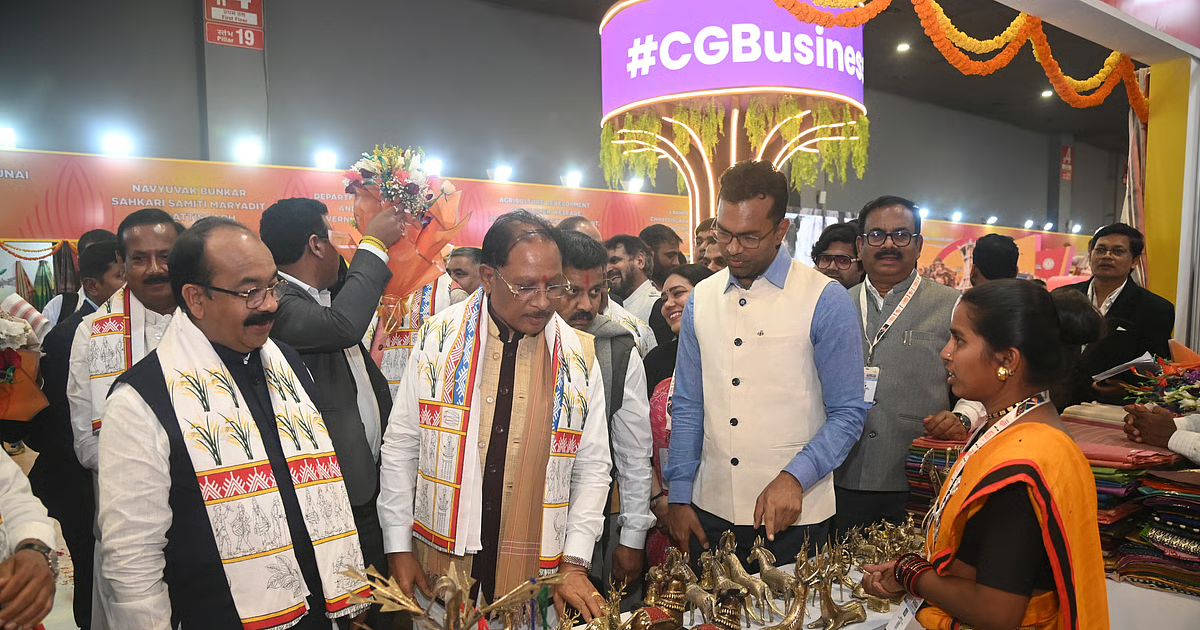
Chhattisgarh drew widespread attention and substantial footfall at the India International Trade Fair held at Bharat Mandapam in New Delhi, presenting a vibrant showcase of its regional identity during the event's dedicated State Day celebrations. Visitors gathered in large numbers to explore the state pavilion and open-air performances, which blended time-honored rural arts with contemporary economic achievements.
The celebrations were attended by key state dignitaries, including Chhattisgarh Governor Ramen Deka and Chief Minister Vishnu Deo Sai, alongside cabinet ministers and parliamentarians. The leaders formally inspected the diverse exhibition stalls and praised the state's artisans and cultural performers for representing the heartland effectively on a prominent national platform.
A central highlight of the event was the cultural program staged at the fairgrounds amphitheater, where traditional folk artists captivated spectators with lively music and traditional dance forms. The rhythmic beats and colorful regional costumes offered attendees an immersive window into the folklore and festive customs that thrive across Chhattisgarh's rural communities.
Inside the Chhattisgarh Pavilion, artisans showcased centuries-old craft traditions that generated brisk interest among domestic and visiting buyers. Stalls featured authentic Bastar bell-metal art, known as Dhokra, alongside celebrated Champa Kosa silk sarees, intricate tribal jewellery, and handloom fabrics woven across regional artisan clusters.
In addition to metalwork and textiles, the exhibition highlighted the commercial value of minor forest produce and organic goods sustainably harvested by local tribal collectives. Packaged forest honey, traditional herbal remedies, and processed agricultural commodities demonstrated how rural enterprise and self-help groups are reaching wider retail markets beyond the state's borders.
Tourism authorities used the platform to present Chhattisgarh as an emerging ecotourism and heritage destination. An interactive virtual reality experience allowed visitors to take a 3D digital tour of the famous Chitrakote Waterfall, drawing steady queues of urban fairgoers eager to experience the natural wonder virtually.
Beyond traditional crafts and natural attractions, state planners utilized the trade fair to outline Chhattisgarh's broader industrial transition and investment potential. Promotional displays and official presentations highlighted infrastructure improvements, clean energy initiatives, and resource-backed industrial policies aimed at attracting commercial enterprises to the region.
The showcase underscored a continuing narrative shift for Chhattisgarh, emphasizing economic resilience, tribal empowerment, and sustainable development over historical security challenges. State representatives framed the pavilion as an example of balanced growth, where indigenous heritage is preserved while modern civic infrastructure expands.
As the trade fair concluded its flagship state celebrations, officials expressed confidence that the strong public response would translate into greater tourism footfall and expanded commercial linkages for local craftspeople. Artisans and cooperative societies participating in the pavilion prepared to build on the contacts made during the fair, seeking sustainable market channels for the coming year.
Primary source: Google News Chhattisgarh. Newzly rewrites and structures source reporting for clarity; verify critical details at the original.