Chiwetel Ejiofor Reflects on the Film That Made Him Love Cinema
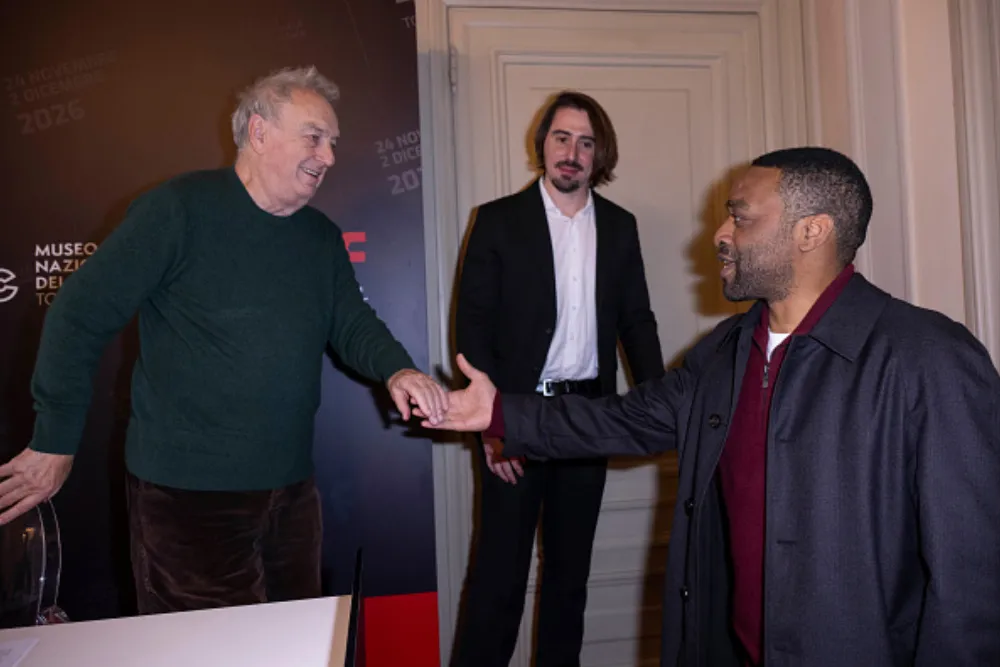
Speaking at the Torino Film Festival, Chiwetel Ejiofor recalled concerns about beginning his film career with Steven Spielberg and the importance of Stephen Frears’ “Dirty Pretty Things” to his love of cinema.
In this piece
Chiwetel Ejiofor recalled worrying that he had peaked too soon after making his film debut in Steven Spielberg’s “Amistad.” In remarks at the Torino Film…
Chiwetel Ejiofor reflected at the Torino Film Festival on an unusual anxiety at the beginning of his screen career: whether working with Steven Spielberg on his first film meant he had already reached a high point. Variety’s account also highlighted Stephen Frears’ “Dirty Pretty Things” as the film that helped him fall in love with cinema.
Ejiofor began his film career with “Amistad,” a debut that brought the opportunity to work with Spielberg immediately rather than after years of screen roles. Asked about the possibility of peaking so early, he acknowledged that the concern had been real. “I was definitely worried about it at the time,” he said, according to Variety.
The recollection offers a different perspective on what might otherwise appear to be an uncomplicated professional breakthrough. For Ejiofor, the opportunity to begin at that level was accompanied by uncertainty about what could follow. His comment places the excitement of an early achievement alongside the pressure of imagining a career beyond it.
Variety’s headline frames “Dirty Pretty Things” as a separate and important milestone: the experience that led Ejiofor to fall in love with film. That emphasis distinguishes the prestige of his first opportunity from the development of a deeper attachment to the medium. The supplied excerpt does not include his detailed explanation of how working on Frears’ film brought about that change.
The two experiences nevertheless provide the central contrast in the account. “Amistad” represents the extraordinary starting point that prompted worries about having peaked, while “Dirty Pretty Things” is presented as a turning point in his relationship with filmmaking. They are different measures of what an early role can mean to an actor.
That distinction matters because a notable debut and a lasting sense of artistic commitment are not necessarily the same thing. Ejiofor’s recollection suggests that the story of finding a place in film cannot be told solely through the stature of an initial collaborator. In Variety’s framing, the later experience with Frears was essential to that personal story.
The remarks were retrospective, focusing on how Ejiofor understood those formative opportunities rather than announcing a new production. The available excerpt contains no details about an upcoming role or collaboration. Its focus is the uncertainty behind a celebrated beginning and the subsequent experience associated with his affection for cinema.
The fuller explanation of Frears’ influence remains outside the supplied passage, limiting how specifically that transformation can be described. What the available material establishes is the contrast Ejiofor drew between worrying about an early career peak and, through “Dirty Pretty Things,” finding a love of film that went beyond the achievement of getting started.
Primary source: Variety. Newzly rewrites and structures source reporting for clarity; verify critical details at the original.