world·Jammu and Kashmir·Jammu District
Cold Wave Grips 18 Cities Across Rajasthan and Madhya Pradesh as Sub-Zero Chill Hits Jammu and Kashmir
Cold wave conditions have pushed temperatures below 10 degrees Celsius across 18 cities in Rajasthan and Madhya Pradesh, while Jammu and Kashmir records sub-zero readings and southern states brace for heavy rainfall.
In this piece
Eighteen cities across Rajasthan and Madhya Pradesh have witnessed temperatures plunge below 10 degrees Celsius amid an intensifying regional cold wave. In…
A severe winter chill has gripped parts of northern and central India, with cold wave conditions officially recorded across 18 cities in Rajasthan and Madhya Pradesh. According to national weather reporting from Divya Bhaskar, minimum temperatures across these urban centers have dropped below the 10-degree Celsius threshold. The sudden decline has brought a noticeable chill to early mornings and late nights across both states.
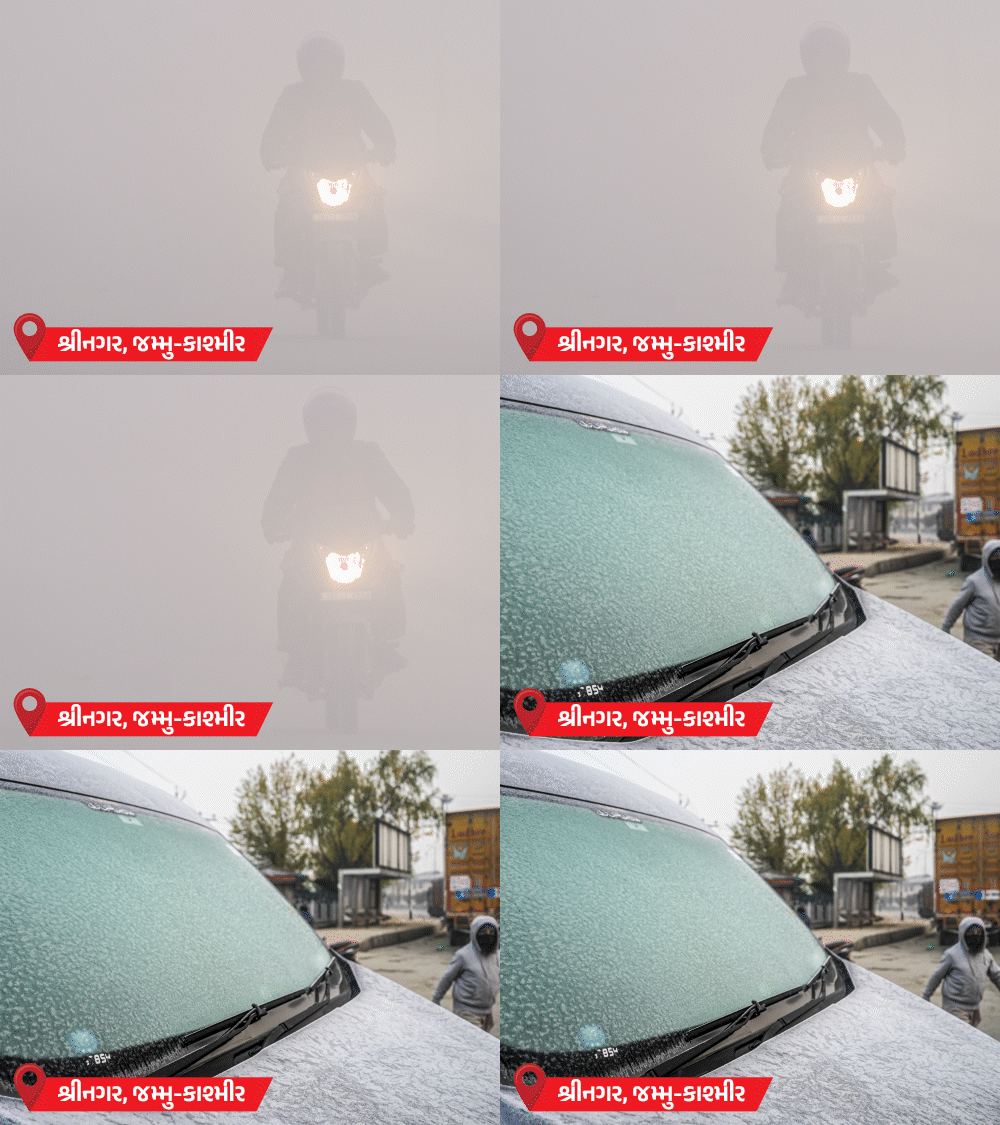
Further north, extreme cold has tightened its grip on Jammu and Kashmir, where the mercury has plunged below the freezing mark. Sub-zero temperatures have become prevalent across the Himalayan region, intensifying the seasonal freeze that routinely marks late autumn and early winter. The plummeting readings have reinforced freezing conditions across high-altitude and valley areas alike.
In sharp contrast to the biting cold spreading across northern and central belts, southern Indian states are preparing for an entirely different weather pattern. Regional forecasts project heavy rainfall across parts of South India over the coming days. The simultaneous occurrence of heavy downpours in the south and bitter cold in the north reflects an active, multi-front seasonal weather system spanning the country.
Meteorological agencies typically define a cold wave when night temperatures drop substantially below average levels, accompanied by sustained, dry winds. Across the 18 identified cities in Rajasthan and Madhya Pradesh, the breach of the 10-degree mark signifies an accelerated transition into winter weather. Dry northerly winds sweeping across open plains commonly facilitate rapid surface cooling under cloudless nocturnal skies.
The freezing temperatures recorded across Jammu and Kashmir play a decisive role in modulating broader weather dynamics across the northern plains. When icy winds originate from snow-covered elevations in the Himalayas, they tend to sweep down into northwestern and central India, systematically lowering temperatures across neighboring plains. Meteorologists frequently observe that deep freezes in northern high-altitude zones precede sustained cold spells across inland states.
Meanwhile, the atmospheric mechanisms responsible for the southern rainfall forecasts represent a distinct meteorological dynamic. Peninsular India frequently experiences moisture-laden winds and coastal depressions during this phase of the seasonal calendar, which bring concentrated showers even as northern regions dry out and turn frigid. Authorities in vulnerable southern districts routinely monitor coastal systems to prepare for potential urban water accumulation and transit delays.
The arrival of sub-10-degree weather carries wide-ranging practical implications for urban centers in Rajasthan and Madhya Pradesh. Prolonged exposure to chilly conditions often alters morning transportation routines, impacts daily agricultural work, and increases the incidence of seasonal respiratory ailments. Public health specialists consistently recommend increased precautions for young children, elderly individuals, and outdoor workers during abrupt shifts to colder conditions.
Similarly, persistent rainfall across the southern states requires focused municipal readiness to manage sudden surface runoff and rural drainage networks. While agricultural sectors in parts of the south can benefit from replenished water tables, intense precipitation events also pose risks to standing crops nearing harvest. Local administrations traditionally track meteorological alerts closely to deploy precautionary advisories in low-lying and water-sensitive sectors.
Looking ahead, weather tracking networks indicate that the divergent atmospheric trends will continue to dominate the subcontinent in the near term. Central and northern regions are expected to remain under the influence of brisk winds and low nighttime temperatures, while southern monitoring stations remain alert for precipitation updates. As seasonal transitions solidify, officials urge the public to monitor localized bulletins and heed prevailing regional advisories.
Primary source: Divya Bhaskar National. Newzly rewrites and structures source reporting for clarity; verify critical details at the original.