world·Delhi·New Delhi District
Cold Wave Hits Rajasthan and Madhya Pradesh as Delhi Air Remains Toxic for 10th Day
Cold wave alerts have been issued in Rajasthan and Madhya Pradesh as temperatures drop below 10°C, while Delhi endures its tenth straight day of hazardous air quality.
In this piece
Authorities have issued cold wave warnings for Rajasthan and Madhya Pradesh following temperature drops below 10 degrees Celsius. Meanwhile, Delhi marked its…
A dual weather crisis is unfolding across northern and central India, where meteorologists have issued cold wave alerts for parts of Rajasthan and Madhya Pradesh as mercury levels plunged below 10 degrees Celsius. Simultaneously, the National Capital Region continues to reel under severe atmospheric pollution, with Delhi recording its tenth consecutive day of toxic air quality.
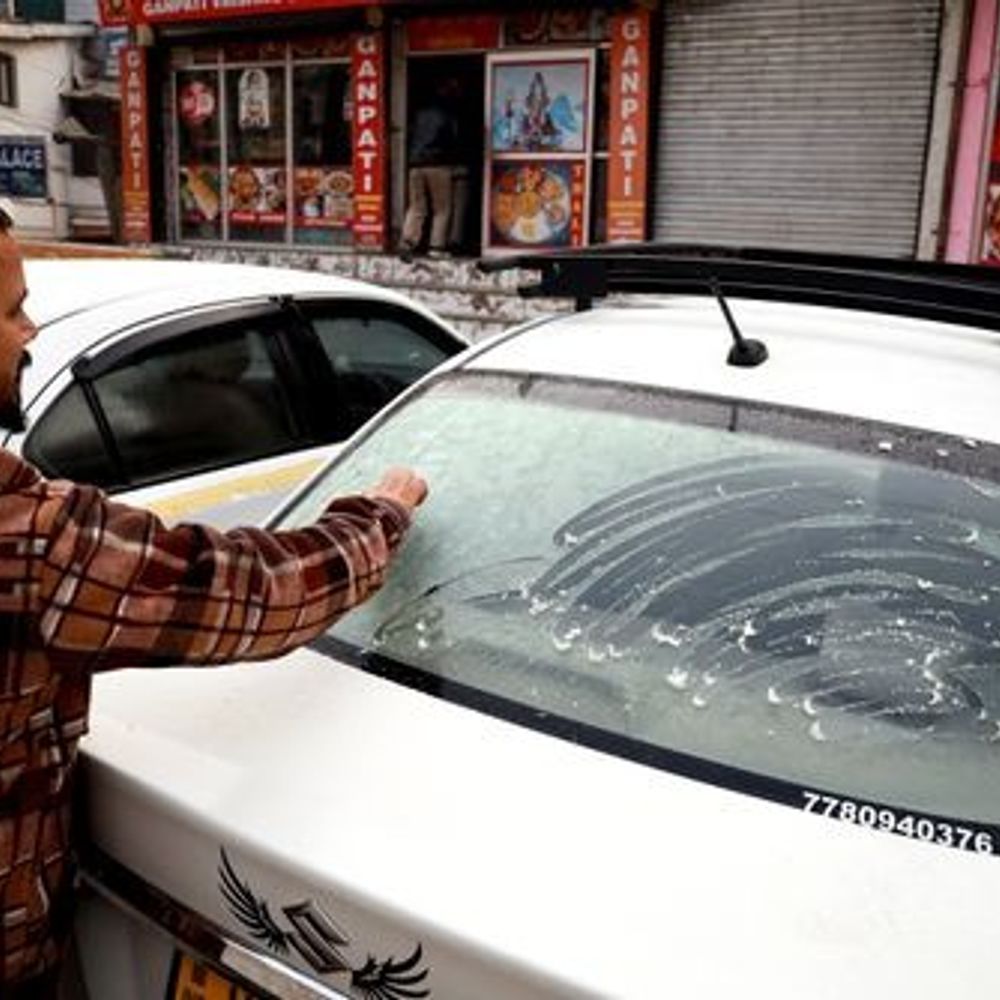
According to reports from Divya Bhaskar, regional weather monitoring stations across Rajasthan and Madhya Pradesh documented early-morning temperatures dipping into single digits. The sharp decline in overnight temperatures has triggered cold wave warnings across several districts, marking an abrupt seasonal transition into peak winter conditions.
In Delhi, atmospheric conditions remained precarious as a dense layer of smog hung over the metropolitan area for the tenth straight day. The prolonged spell of toxic air has kept air quality readings in hazardous territory, creating difficult breathing conditions for millions of residents and commuters throughout the capital territory.
The intersection of falling temperatures and persistent air pollution compounds seasonal vulnerabilities across north-central India. Cooler surface temperatures and sluggish wind patterns frequently trap industrial emissions, vehicular exhaust, and dust near ground level, preventing atmospheric dispersal and intensifying haze over the Indo-Gangetic plains.
Health professionals and local advisories have urged residents across the affected northern belt to adopt precautionary measures against the combined effects of freezing temperatures and polluted air. Prolonged exposure to toxic particulates alongside sudden thermal drops poses elevated health risks, particularly for children, senior citizens, and individuals managing respiratory or cardiovascular conditions.
The onset of single-digit temperatures in Madhya Pradesh and Rajasthan has already begun altering daily routines, forcing residents to bundle in heavy winter clothing and limit outdoor exposure during dawn and dusk. Meanwhile, in the capital, early morning walkers, schools, and outdoor workers continue to adjust schedules to mitigate exposure to dense surface pollution.
The arrival of early-winter cold waves across central and northwestern states aligns with broader winter weather patterns where northwesterly winds pull chilled air from the northern mountains across the plains. However, the simultaneous endurance of double-digit days of severe air quality in urban centers underscores lingering challenges in regional air basin management during the post-monsoon and early-winter window.
Nationwide weather bulletins and regional health advisories have reiterated essential protective guidance for communities navigating the transition. Authorities recommend staying properly insulated against sudden drops below 10 degrees Celsius, using protective masks when navigating heavily polluted urban sectors, and monitoring localized weather bulletins for rapid shifts in temperature and visibility.
As winter deepens across northern India, regional weather agencies will maintain close surveillance over temperature fluctuations in Madhya Pradesh and Rajasthan while monitoring ventilation conditions over Delhi. Officials anticipate that any sustained relief from Delhi's toxic atmosphere will largely depend on shifting wind currents, even as central states prepare for further cold spells in the days ahead.
Primary source: Divya Bhaskar National. Newzly rewrites and structures source reporting for clarity; verify critical details at the original.