Commercial LPG Prices Rise Ahead of Diwali as Toll and Telecom Rules Shift in India
Commercial cooking gas cylinder rates rose ahead of Diwali as sweeping administrative updates took effect across India, revising national highway toll pass terms and tightening telecommunications caller verification rules.
In this piece
Indian consumers and businesses face several notable administrative shifts this November, led by higher commercial LPG cylinder prices just ahead of Diwali.…
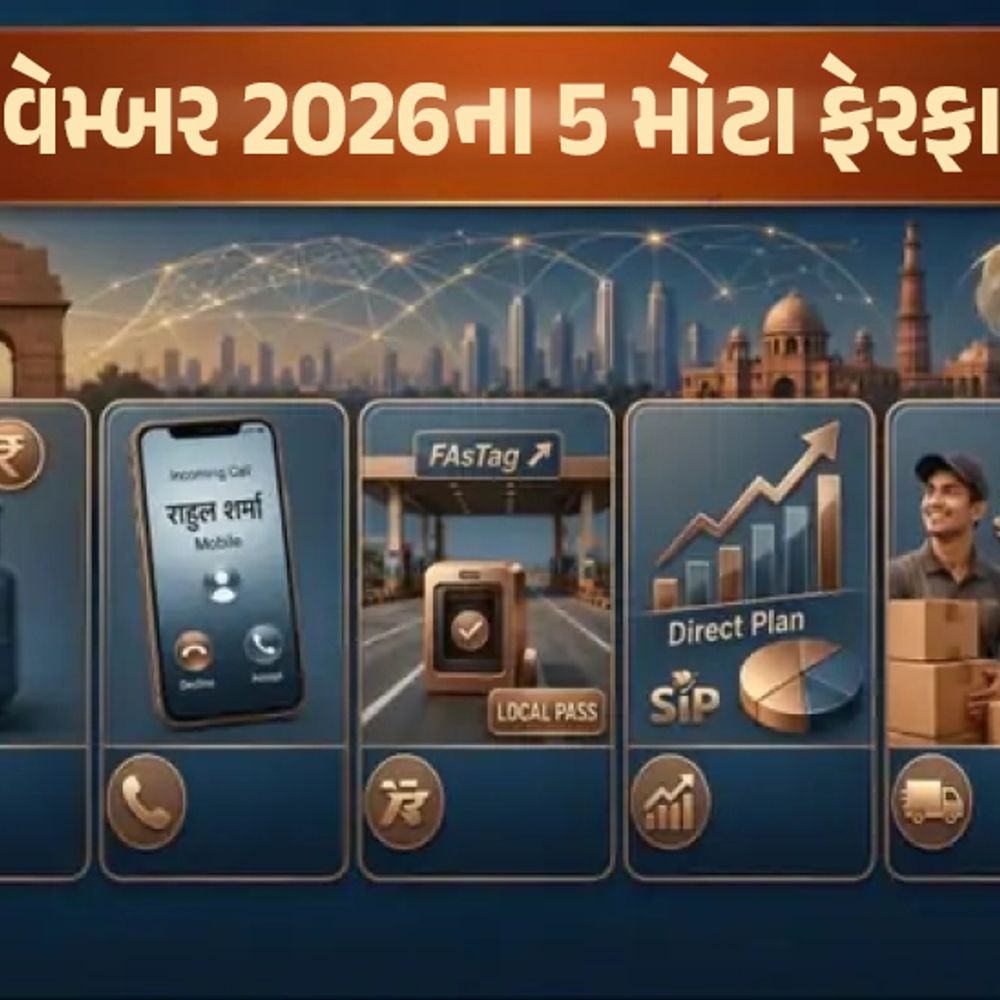
Commercial cooking gas cylinder rates increased across Indian metropolitan centers at the start of November, introducing fresh operational expenses right before the peak Diwali festival season. The price hike arrived alongside a package of scheduled monthly administrative updates that reshape telecom calling guidelines, highway toll passes, and routine financial procedures nationwide. These synchronized policy revisions directly influence both commercial operators and private consumers navigating year-end expenses.
State-owned oil marketing companies announced an upward revision in the price of 19-kilogram commercial liquefied petroleum gas cylinders, which are widely utilized by restaurants, hotels, and street caterers. In contrast, officials kept the pricing of standard 14.2-kilogram domestic LPG cylinders unchanged, shielding household kitchen budgets from additional immediate strain during holiday meal preparations. The divergence reflects standard state energy pricing mechanisms that treat commercial and residential subsidies differently.
The cost adjustment comes at a critical juncture for the hospitality and food services sectors, which experience surging demand during the festive calendar. Commercial cylinder tariffs are benchmarked against international oil quotations and currency fluctuations, prompting monthly reviews by state energy conglomerates. Even modest price movements in bulk fuel can squeeze operating margins for independent food vendors who rely heavily on continuous commercial gas supplies.
Beyond energy markets, consumers also encountered key policy transitions in the telecommunications sector designed to improve caller security and reduce fraudulent activities. Telecommunications authorities have pushed forward stricter traceability and verification rules for voice traffic and commercial messaging services across telecom networks. The regulatory framework requires mobile operators to curb identity spoofing and restrict unregistered telemarketers from targeting private subscribers.
The telecom guidelines focus on bolstering network accountability by ensuring that sender details and caller identity credentials correspond to verified records. By tightening restrictions on non-compliant messaging routes and spam calls, authorities aim to mitigate financial scams and deceptive unsolicited promotions. While regular users may notice improved call clarity regarding sender identities, businesses must comply with stricter routing protocols to prevent their customer outreach from being filtered out.
National transit infrastructure also experienced changes as updated electronic toll regulations took effect across major expressways and arterial routes. The Ministry of Road Transport and Highways introduced revised terms for local concessional passes tied to vehicle-mounted electronic toll tags. The updated provisions specifically target private, non-commercial vehicle owners who live in close proximity to national highway toll plazas.
Eligible local commuters residing within designated radiuses of toll gates can now utilize formalized annual passes through their linked electronic collection accounts rather than relying on informal exemptions. By standardizing local pass pricing and criteria between municipal and rural gate locations, transport authorities seek to reduce toll plaza congestion and curb recurring disputes at regional checkpoints. The automated validation process is designed to ensure faster highway transit for local residents while maintaining systematic fee accounting.
These coordinated revisions across fuel pricing, highway transit, and telecommunications highlight the wide reach of monthly administrative recalibrations across India. Although safety protocols and automated toll systems aim to enhance everyday digital security and highway efficiency, the hike in commercial cooking fuel introduces immediate cost considerations for local retail businesses. Small vendors frequently struggle to absorb sudden overhead shifts without recalibrating end-consumer pricing.
Looking ahead, industry analysts will observe whether hospitality operators pass the elevated cylinder costs on to consumers through festival dining surcharges or menu adjustments. Concurrently, transport and communications authorities plan to monitor field implementation to ensure electronic toll passes and telecom anti-spam filters function without disrupting regular consumer services. The broader economic impact of these November updates will largely depend on how effectively service providers integrate the revised rules into their standard operating practices.
Primary source: Divya Bhaskar Utility. Newzly rewrites and structures source reporting for clarity; verify critical details at the original.