Congress Dominates Rajasthan Panchayat Elections With Major Up Zila Pramukh Wins
The opposition Congress party consolidated its rural hold across Rajasthan by winning 25 of 37 deputy chairperson posts in the latest panchayat elections, dealing a sharp setback to the ruling Bharatiya Janata Party.
In this piece
The opposition Congress won 25 out of 37 up zila pramukh seats in Rajasthan's local body elections, reinforcing its dominance across rural administrative…
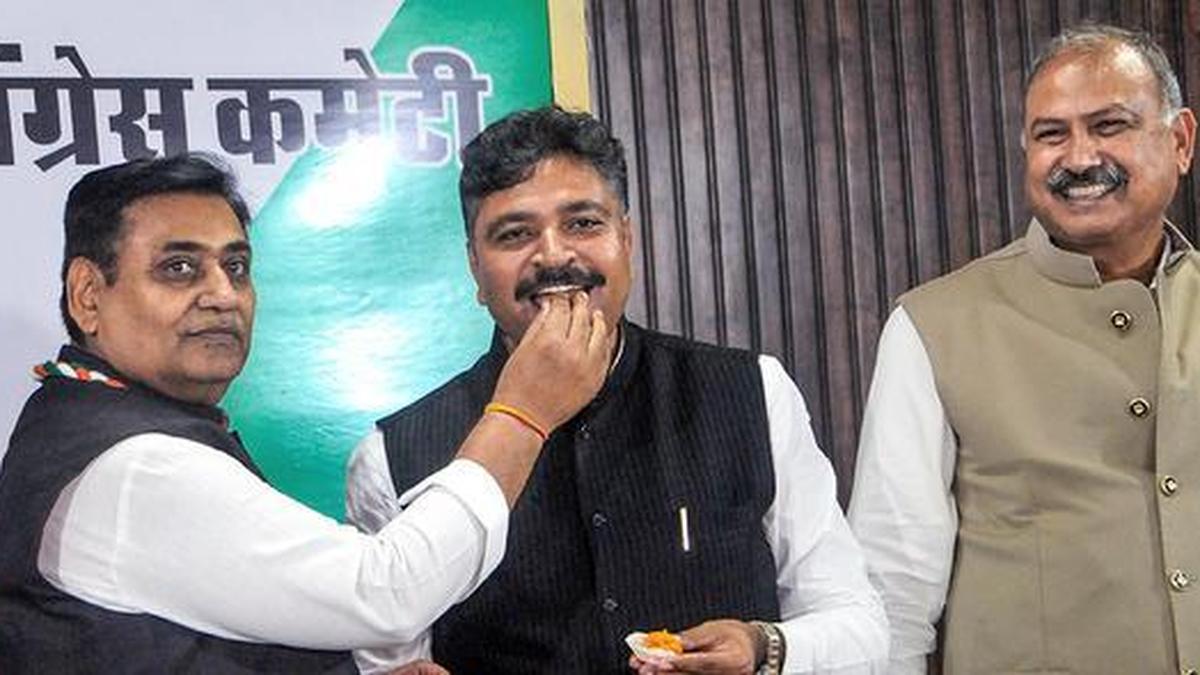
The opposition Congress party has consolidated its grip on rural local self-governance across Rajasthan by securing 25 out of 37 up zila pramukh positions in the recently concluded panchayat elections. The ruling Bharatiya Janata Party won eight deputy chairperson posts, while regional forces claimed the remaining four seats. The results reaffirm the Congress party's organizational resilience in the state's rural belts despite sitting in opposition in the state assembly.
The deputy chairperson elections followed a competitive phase of indirect voting conducted by newly elected district council members. In four districts—Alwar, Dausa, Dholpur, and Jaisalmer—Congress candidates secured election unopposed after rival formations failed to muster competing nominations. Local election authorities confirmed that the voting process across all 37 districts concluded peacefully under comprehensive administrative arrangements.
Regional political players carved out notable influence in specific geographical pockets, preventing a complete bipartisan division of seats. The Bharat Adivasi Party demonstrated sustained strength across the southern tribal region by winning up zila pramukh positions in Dungarpur, Pratapgarh, and Salumbar. Meanwhile, the Rashtriya Loktantrik Party held on to its traditional stronghold in Nagaur district, underscoring the localized endurance of third-party alternatives.
These victories reinforce a pattern established just days earlier during the election of zila pramukhs, the apex district council chairpersons. In those contests, the Congress captured 24 of the 37 district head posts statewide, leaving the BJP with a modest tally in areas where it had campaigned aggressively. Together, the two rounds of leadership voting give the Congress commanding authority over a vast majority of Rajasthan's district-level administrative councils.
The outcome highlights an ongoing divergence between urban and rural voter sentiment across Rajasthan. While the ruling party maintains substantial momentum in major metropolitan centers and legislative bypasses, rural electorates have repeatedly favored Congress candidates in grassroots panchayati raj institutions. Political analysts note that agrarian concerns, local community dynamics, and entrenched grassroots networks often insulate rural local bodies from overarching statewide political shifts.
For the Congress state leadership, the decisive tally serves as a vital organizational boost following past assembly setbacks. Party functionaries attributed the success to disciplined local candidate selection, united district leadership cadres, and continuous outreach on rural livelihood issues. The victories also provide the party with substantial institutional patronage and administrative reach across district development boards over the coming five-year term.
Conversely, the results pose immediate strategic questions for the ruling Bharatiya Janata Party government. Despite deploying ministers and state-level coordinators to oversee council alignments, the ruling party struggled to flip independent council members and regional factions in closely contested districts. The setback is expected to prompt an internal review within the party's state apparatus to identify organizational lapses in key rural constituencies.
Zila parishads serve as pivotal administrative bodies in India's three-tier Panchayati Raj architecture, supervising the allocation of development funds and monitoring government welfare delivery. By controlling both the pramukh and up zila pramukh posts in most districts, Congress-led councils will directly steer rural infrastructure projects, employment schemes, and social welfare programs. This administrative vantage point allows the opposition to maintain direct engagement with rural communities leading into future electoral cycles.
With the leadership contests now finalized, the newly elected up zila pramukhs and district heads are scheduled to formally assume office and convene their first council meetings. State election authorities are wrapping up procedural documentation across the 37 districts as district magistrates prepare for upcoming block-level administrative sessions. Both major political camps are already recalibrating their grassroots strategies as attention turns toward governance execution and subsequent sub-district council activities.
Primary source: Google News Rajasthan. Newzly rewrites and structures source reporting for clarity; verify critical details at the original.