COP31 Climate Summit Collapses in Turkey Over Fossil Fuels and Finance
Global climate talks in Turkey ended in failure as nations clashed bitterly over moving away from fossil fuels, financial commitments, and emissions overshoot scenarios.
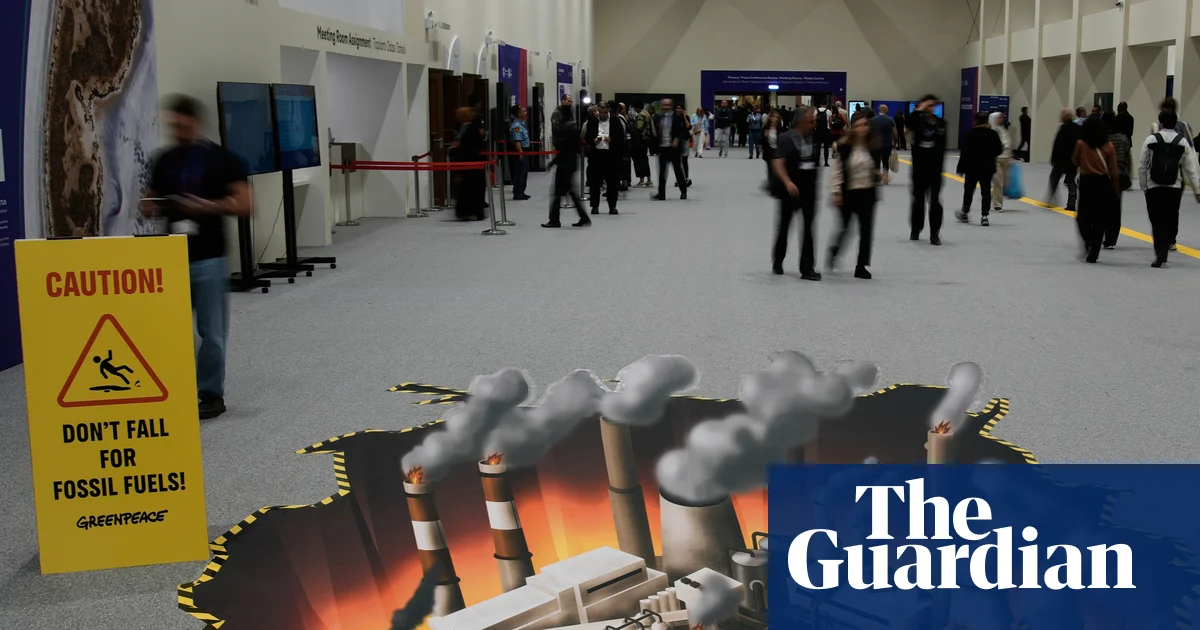
In this piece
The COP31 climate summit in Turkey has collapsed after delegates failed to reach an agreement on phasing down fossil fuels and securing funding. Deep diplomatic…
The COP31 global climate summit hosted in Turkey has abruptly collapsed without a final deal after intense negotiations broke down over the weekend. Delegates were unable to bridge fundamental divisions surrounding the transition away from fossil fuels and the allocation of climate finance, bringing the high-stakes conference to an unceremonious close.
At the center of the deadlock was a sharp confrontation over energy policy, with nations unable to reach consensus on language addressing the future of coal, oil, and gas. Major reporting from international outlets confirmed that key delegations resisted binding pledges to move away from fossil fuels, creating an irreconcilable rift across the negotiating floor.
Compounding the impasse over energy, volatile arguments over climate finance prevented any meaningful progress on funding mechanisms. Developing nations and wealthy countries remained locked in disputes over financial assistance, with parties failing to resolve fundamental rows over monetary transfers and long-term economic support.
Negotiations were further complicated by contentious debates over emissions "overshoot" scenarios. Diplomats wrestled with differing interpretations of whether global temperatures could temporarily surpass established thresholds before being brought back down, a concept that drew fierce skepticism from climate-vulnerable states and environmental observers.
The collapse of the summit in Turkey marks one of the most severe setbacks for multilateral climate negotiations in recent memory. By failing to issue an agreed declaration, the conference underscored the mounting geopolitical challenges that continue to impede unanimous global action on environmental governance.
Throughout the proceedings, divergent economic interests proved insurmountable for summit leadership. Resource-dependent economies resisted rapid phaseout timetables, while nations on the frontlines of severe weather disasters argued that stalling on fossil fuels and financial delivery threatens their immediate survival.
The lack of consensus leaves international climate policy without an updated roadmap, intensifying concerns about fragmented approaches to emissions reduction. Observers noted that without a coordinated United Nations framework, individual countries may struggle to align national policies with global stabilization goals.
Diplomatic recriminations emerged immediately following the suspension of the talks, with participating delegations trading blame over the failure to compromise. Frustration was widespread as negotiators acknowledged that several days of extended plenary sessions had yielded virtually no common ground on the conference's core objectives.
Looking ahead, international envoys must now determine how to resume formal discussions and address the lingering disputes ahead of the next round of multilateral talks. Restoring trust will require addressing the intertwined issues of financial equity and fossil fuel use, challenges that have once again brought global climate diplomacy to a standstill.
Primary source: Google News U.S.. Newzly rewrites and structures source reporting for clarity; verify critical details at the original.