Cost of Manchester United Managerial Turnover Nears £100m Following Pochettino Appointment
Manchester United borrowed £10 million shortly after confirming Mauricio Pochettino as head coach, pushing the club's total managerial hiring and dismissal expenditure close to £100 million.
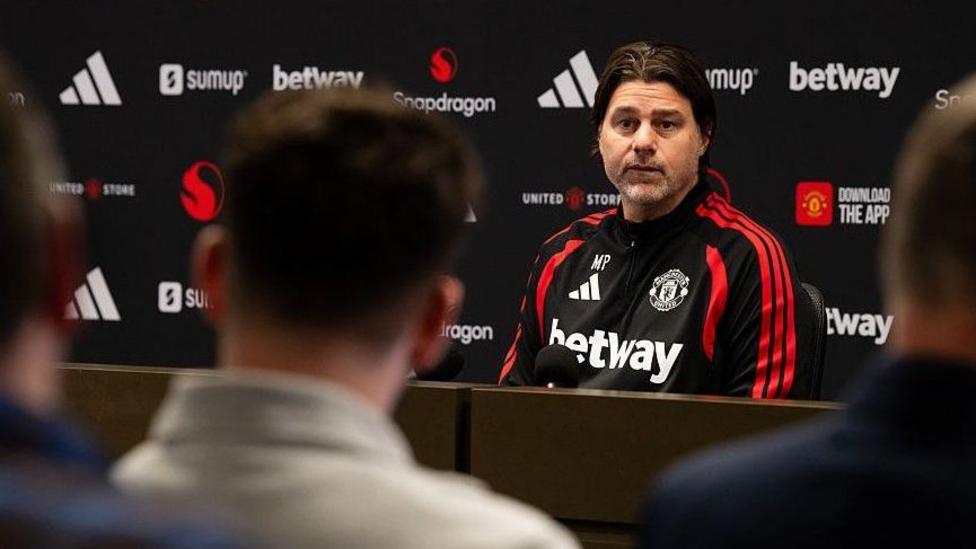
In this piece
Manchester United's cumulative spending on appointing and dismissing managers is nearing £100 million following the recruitment of Mauricio Pochettino. The club…
Manchester United's cumulative expenditure on hiring and dismissing managers is approaching the £100 million mark, according to reporting from BBC Sport. The financial milestone comes into sharp focus as the club confirmed the appointment of Mauricio Pochettino as their new head coach. Securing the change at the helm has introduced substantial upfront financial commitments for the organization.
Financial details highlighted by BBC Sport reveal that Manchester United borrowed £10 million just three days after confirming Pochettino's appointment. A significant portion of the immediate expense stems from a £7.5 million compensation payment owed to US Soccer to facilitate his departure. The prompt borrowing underscores the immediate cash obligations required to finalize the agreement.
The timing of the £10 million credit drawdown illustrates the liquidity management required during major managerial restructuring. Credit lines and short-term borrowing facilities are frequently utilized by top football clubs to navigate sudden operational costs. In this instance, the quick tapping of funds reflects how rapidly financial liabilities materialize once a managerial transfer is agreed.
The climb toward the £100 million threshold reflects a prolonged pattern of technical turnover at the club over recent seasons. Successive changes in leadership have routinely involved significant termination payouts to outgoing coaching staff as well as recruitment fees for replacements. These repetitive restructuring costs have steadily accumulated into an exceptional overall balance sheet liability.
These escalating managerial expenses carry notable consequences under domestic and European financial sustainability rules. Governing frameworks increasingly scrutinize total operational spending, forcing executive leadership to account for severance fees alongside player wages and transfer amortization. Sustained expenditure on coaching churn reduces financial flexibility for long-term squad development.
Beyond the direct accounting toll, continuous turnover at the managerial level often complicates broader sporting stability. Each coaching alteration alters tactical requirements and can lead to inefficient squad turnover as new regimes evaluate existing squads. The resulting cycles can compound financial commitments when incoming management seeks adjustments to align with differing strategic visions.
In bringing in Pochettino, Manchester United are placing considerable resources behind an established coach to establish direction and competitive consistency. The club has accepted substantial compensation fees in the belief that top-tier leadership will yield improved sporting returns. Delivering sustained results on the pitch remains essential to offsetting the heavy capital spent to secure the transition.
Looking ahead, the full economic implications of the managerial change will be reflected in the club's forthcoming statutory financial results. Stakeholders and financial analysts will watch closely to see whether the latest restructuring signals the end of a costly era of managerial turnover. Achieving stability will be crucial as the organization attempts to balance competitive ambitions against mounting operational costs.
Primary source: BBC Sport. Newzly rewrites and structures source reporting for clarity; verify critical details at the original.