Costa Rica Faces Backlash and Israeli Praise After Barring UN Rapporteur Francesca Albanese
Costa Rican immigration authorities barred UN Special Rapporteur Francesca Albanese at San Jose's airport, drawing sharp condemnation from the United Nations and celebrations from Israeli officials amid shifting regional diplomacy.
In this piece
Costa Rica is facing mounting international scrutiny after blocking UN Special Rapporteur Francesca Albanese at the airport in San Jose on national security…
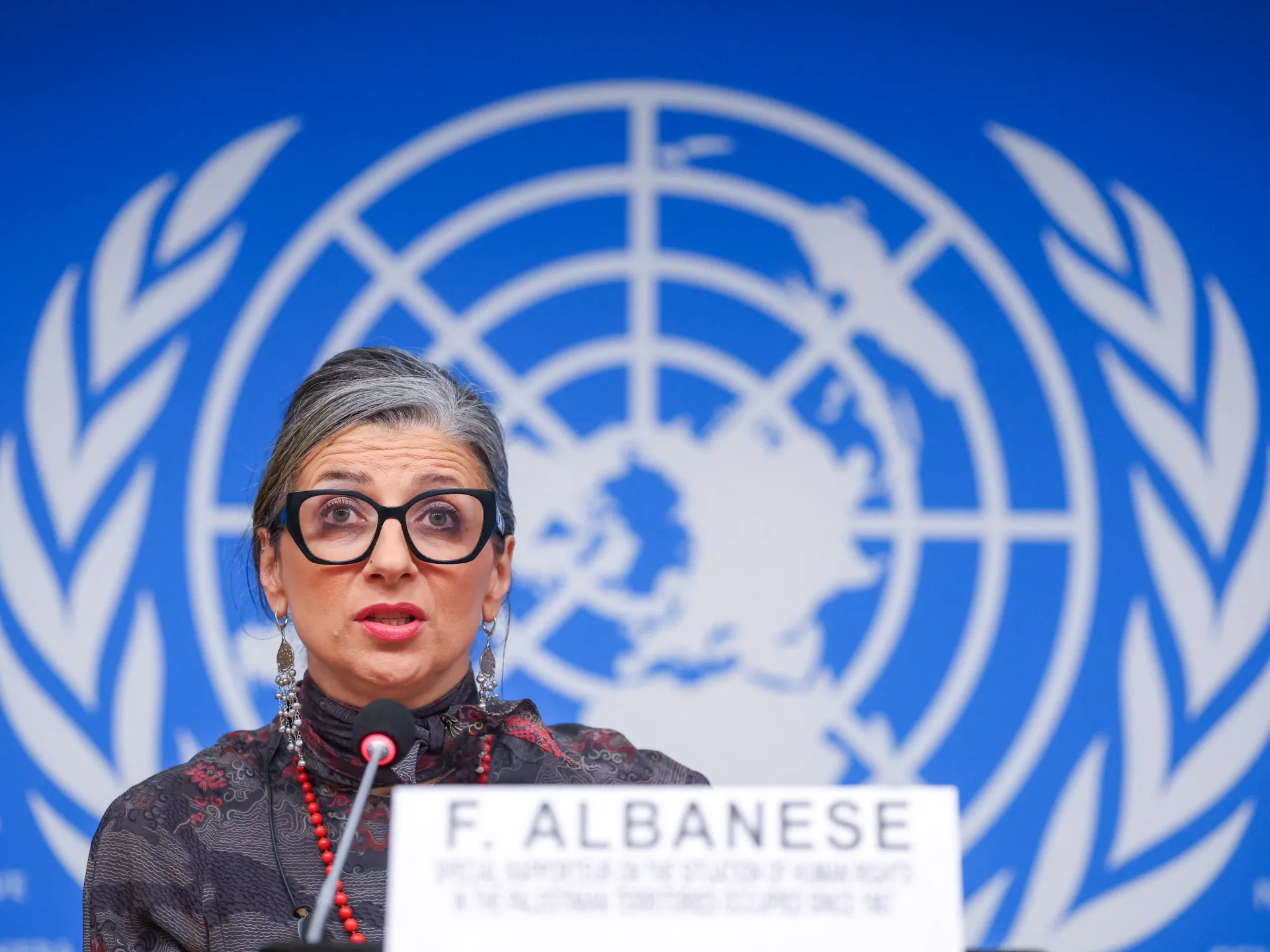
Costa Rica has barred United Nations Special Rapporteur Francesca Albanese from entering the country, citing national security grounds and sparking diplomatic friction alongside strong praise from Israeli officials and pro-Israel advocacy organizations. Albanese, an Italian legal scholar who serves as the UN special rapporteur on the occupied Palestinian territories, was stopped by immigration authorities upon arriving at Juan Santamaria International Airport in San Jose.
Albanese had traveled to Central America at the invitation of the public University of Costa Rica, which had scheduled an official academic ceremony to present her with an honorary doctorate recognizing her human rights research. Instead of proceeding to the university campus, she was held in the airport transit area after immigration databases flagged an administrative security notification.
Costa Rican migration officials maintained that the decision to deny entry followed established security protocols linked to international alerts regarding alleged connections to unlawful organizations. Authorities in San Jose did not immediately publish detailed evidentiary material supporting the alert, prompting questions from local legal specialists over the statutory basis of the border order.
Albanese and her representatives firmly rejected the characterization, arguing that the designation represents political retaliation for her United Nations mandate work and public reports documenting the conduct of the war in Gaza. United Nations High Commissioner for Human Rights Volker Turk criticized the border measures, urging Costa Rican authorities to reconsider their stance and respect the travel privileges historically afforded to independent UN rapporteurs.
In Israel, official spokespersons and international advocacy groups such as UN Watch welcomed San Jose's decision to enforce the travel restriction. Israeli officials have repeatedly accused Albanese of systemic prejudice and previously barred her from entering Israel and Palestinian territories under Israeli control, asserting that her public statements and legal findings delegitimize Israeli state defense.
The diplomatic dispute unfolds amid a broader foreign policy shift under Costa Rican President Laura Fernandez. While Costa Rica has traditionally maintained a posture rooted in multilateral neutrality and active participation in human rights frameworks, the current administration has actively pursued closer diplomatic, economic, and strategic alignment with both Israel and the United States.
Albanese has faced mounting political scrutiny across Western capitals, including targeted sanctions and travel restrictions introduced by Washington following her United Nations reports accusing Israel of committing genocide in the Gaza Strip. Analysts observed that Costa Rica's immigration enforcement reflects intensifying pressure across the hemisphere regarding international figures who maintain highly critical postures on Israeli military campaigns.
The airport detention triggered immediate domestic legal pushback within Costa Rica, where university leaders, civil society organizations, and human rights lawyers lodged an urgent habeas corpus petition before the Constitutional Chamber of the Supreme Court. The high court subsequently issued an interim resolution pausing any immediate summary expulsion while magistrates examine whether migration agencies complied with domestic law and international agreements.
The standoff presents a significant test for Costa Rica's longstanding international reputation as a regional anchor for human rights and multilateral cooperation. As judicial deliberations continue in San Jose and diplomatic pressure mounts from United Nations bodies, international observers note that the episode underscores the deep geopolitical divisions surrounding accountability, international law, and the ongoing conflict in the Middle East.
Primary source: Al Jazeera. Newzly rewrites and structures source reporting for clarity; verify critical details at the original.