Councils own more than 500,000 artworks, with most in storage
More than 500,000 pieces of art are owned by 225 councils, a BBC investigation finds, raising questions about public access to collections largely held in storage rather than on display.
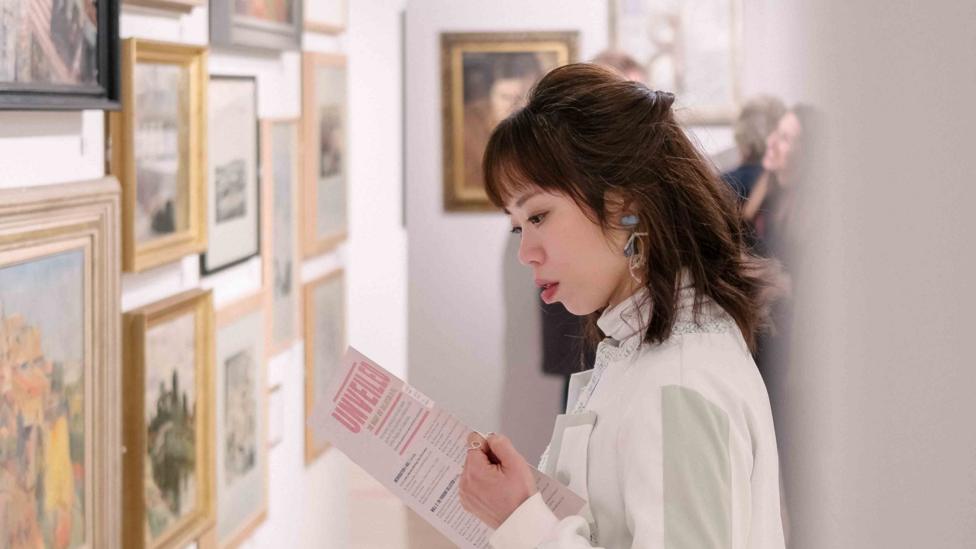
More than 500,000 pieces of art are owned by 225 councils, but most are in storage rather than on display, according to findings reported by BBC Entertainment & Arts. The investigation puts the scale of council-owned collections alongside a central question for residents: how much of that art can the public actually see?
The figures describe a substantial body of publicly owned art, although the supplied account does not break down the holdings of individual councils. It also does not give an exact number or percentage of works in storage, beyond saying that they make up most of the total.
That distinction matters because the overall size of a collection says little about its visibility. A council may own many works without exhibiting them all at once, and an ownership total alone cannot establish whether residents have regular opportunities to encounter particular pieces or learn about the wider collection.
Storage is not, by itself, evidence that an artwork has been abandoned or neglected. Collections can require space away from public galleries for preservation, assessment or preparation for future exhibitions, but the supplied BBC summary does not identify which reasons apply to the councils covered by its findings.
Equally, keeping art in public ownership does not automatically make it accessible to the public. Understanding access would require more information about exhibition arrangements, any opportunities to view stored works and whether councils provide records that allow residents to discover what their collections contain.
The findings therefore raise questions about how councils explain the purpose and use of their holdings, rather than establishing that every stored work should be permanently displayed. Any assessment would need to distinguish between art temporarily off display and pieces that remain out of public view for longer periods, a distinction not provided in the source summary.
The limits of the available information also leave important questions unanswered about the collections themselves. The supplied account does not identify particular artworks, their condition or value, and it offers no basis for concluding that storage reflects financial pressure, a shortage of exhibition space or any other specific cause.
For residents, the headline finding is the gap between the scale of council ownership and the amount currently on show. A fuller picture would depend on council-by-council information about what is held, why works are stored and how access is arranged; the supplied BBC account does not set out any announced changes to those arrangements.
Primary source: BBC Entertainment & Arts. Newzly rewrites and structures source reporting for clarity; verify critical details at the original.