CVE Tracker Visualizes Decades of Vulnerability Growth Amid Industry Surge
A new web-based dashboard tracking vulnerability disclosures since 1999 has gained widespread attention, spotlighting a dramatic surge in CVE assignments driven by decentralized authorities and automated analysis tools.
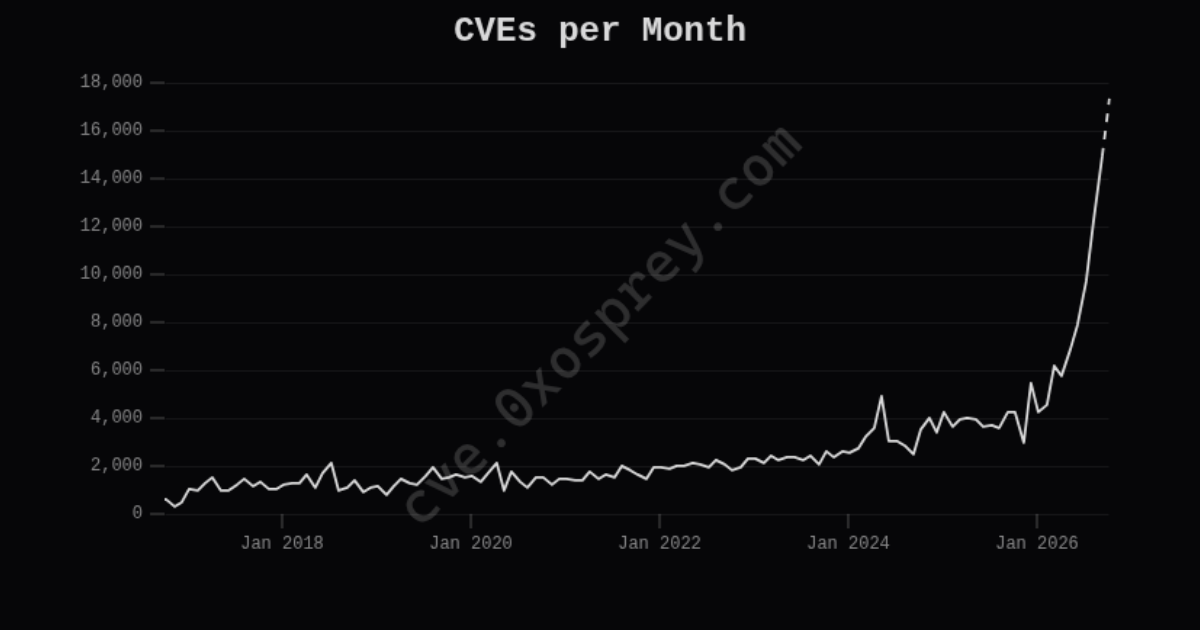
A new web-based visualization utility, CVE Tracker, has captured widespread attention across the cybersecurity and software engineering communities by illustrating the historical trajectory and recent surge in documented vulnerabilities. Hosted at cve.0xosprey.com, the platform transforms raw vulnerability feeds into clear, interactive graphs that chart disclosures across multiple time horizons. Its public debut quickly sparked industry-wide discussion after climbing to prominent placement on developer forums including Hacker News.
The platform operates by synchronizing daily with the official MITRE and CVE Project data repositories, specifically ingesting records directly from the cvelistV5 dataset. By drawing from the primary standardized registry, the tracker offers users an authoritative look at software defect logging dating back to the inception of the CVE system in 1999. The resulting historical record provides a transparent audit trail of how security reporting practices have transformed over more than two decades.
Within the interface, visitors can toggle between granular intervals ranging from daily and weekly counts to broader monthly and annual aggregate views. The dashboard supports comparative filters across predefined windows, such as thirty days, five years, or the complete historical archive. In addition to displaying active and cumulative tracking curves, the tool incorporates automated projections that estimate total vulnerability volume for ongoing months and full calendar years.
The project arrived at a moment of growing industry anxiety regarding the steep, unprecedented escalation in published vulnerability notices. Discussion threads responding to the tracker's charts emphasize how sharply the annual totals have climbed in recent disclosure cycles. For many security engineers, the visualizations confirm long-standing anecdotal impressions that the volume of tracked defects is outpacing traditional evaluation workflows.
Analysts examining the data point to institutional changes within the vulnerability ecosystem as a primary factor behind the rising numbers. The ongoing expansion of authorized CVE Numbering Authorities has decentralized the assignment process, enabling vendor organizations and major open-source custodians like GitHub and the Linux kernel to assign identifiers directly. This administrative decentralization has significantly lowered barriers to entry, accelerating the formal registration of flaws that might previously have gone uncataloged.
Technological shifts have further intensified this upward disclosure trend across modern software supply chains. The widespread adoption of continuous static analysis, automated dependency scanners, and artificial intelligence coding assistants has accelerated the automated discovery of syntax and logic irregularities. While these automated instruments catch bugs earlier in the development lifecycle, they also generate a relentless flow of advisories that require review and formal assignment.
For enterprise security teams and network defenders, the escalating volume depicted in the tracker translates into acute operational bottlenecks and persistent alert fatigue. Security leads are increasingly challenged to separate severe, remotely exploitable flaws from minor, theoretical bugs that carry formal identifiers without posing real-world risks to production environments. Consequently, security teams must expend valuable triage resources simply validating whether incoming alerts warrant operational intervention.
To facilitate deeper analysis, the CVE Tracker site provides built-in utilities that allow researchers to copy visual graphs or export the underlying metrics as structured CSV files. These export options enable security architects, researchers, and data analysts to incorporate standardized vulnerability metrics into internal reports or academic studies without building custom scraping pipelines. The straightforward presentation has earned praise from practitioners seeking accessible ways to communicate threat landscape trends to executive leadership.
Looking ahead, the sustained influx of vulnerability disclosures is driving the cybersecurity community toward more sophisticated prioritization models and contextual risk frameworks. While formal CVE designations remain indispensable for cataloging defects, security leaders increasingly argue that volume metrics alone cannot dictate operational urgency without reachability data and exploit intelligence. Tools like CVE Tracker will remain vital benchmarks for monitoring the disclosure environment as the industry refines its defenses against expanding vulnerability catalogs.
Primary source: Hacker News. Newzly rewrites and structures source reporting for clarity; verify critical details at the original.