world·Andhra Pradesh·state emergency services and district
Cyclone Akvan Begins Landfall Along Andhra-Odisha Coast as Weakening System Brings Heavy Downpours
Cyclone Akvan has initiated its landfall along the Andhra Pradesh and Odisha coastline after weakening, triggering widespread downpours across eastern Indian states and raising concerns for standing crops.
In this piece
The landfall process for Cyclone Akvan has begun along the coastal belt of Andhra Pradesh and Odisha. Although the system weakened prior to reaching the coast,…
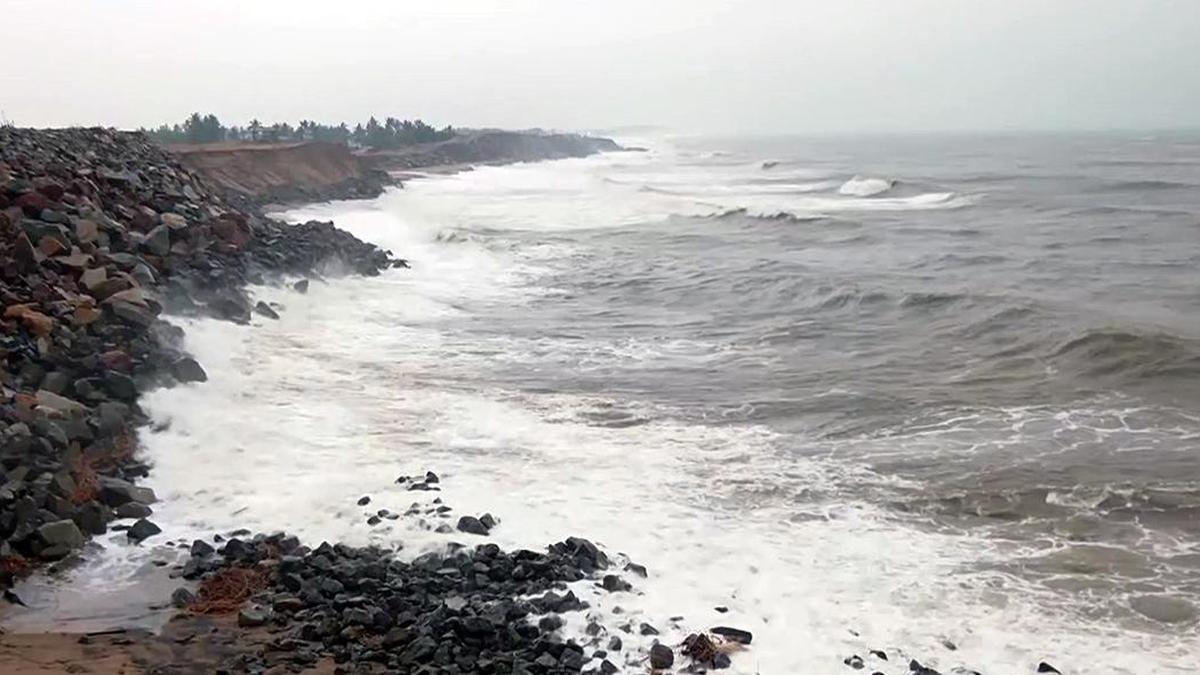
The landfall process for Cyclone Akvan has officially commenced along the eastern coast of India, delivering widespread rainfall and gusty winds to coastal regions of Andhra Pradesh and Odisha. Weather authorities reported that the cyclonic system tracked across the Bay of Bengal toward the shoreline, initiating coastal crossing after days of atmospheric build-up.
While the storm weakened substantially in intensity shortly before making contact with land, it continues to pack significant moisture. The weakening trend has reduced the threat of extreme destructive winds, but the cyclone remains capable of driving sustained precipitation across several eastern and central states.
Coastal belts in Odisha and northern Andhra Pradesh have experienced the immediate brunt of the storm's outer bands, with continuous heavy rain recorded across low-lying districts. Local authorities had closely tracked the storm's trajectory ahead of its November 20 arrival, preparing emergency infrastructure and advising local fishing communities to remain off the water.
Beyond the immediate landfall zone, the outer weather bands of Cyclone Akvan have spread into neighboring West Bengal. In southern Bengal, persistent downpours have triggered localized waterlogging, dampening urban transit and inundating vast stretches of rural lowlands.
Agricultural communities across southern Bengal are monitoring the prolonged rain with deep concern, particularly where winter farming activities are already underway. Heavy precipitation threatens standing paddy crops awaiting harvest, while newly sown potato fields face the risk of water damage and root rot if standing water does not recede quickly.
The system's footprint has also extended northwest into Jharkhand, where overcast skies gave way to spells of light to moderate rainfall. In response to deteriorating weather conditions and cold rains, administrative officials in multiple Jharkhand districts ordered the precautionary suspension of primary school classes to ensure student safety.
State emergency services and district collectors across the eastern seaboard had initiated readiness protocols well before the storm's arrival. Relief personnel, municipal drainage units, and disaster management teams remain positioned across vulnerable belts to manage road blockages and attend to local civic disruptions.
Cyclonic systems developing over the Bay of Bengal during the post-monsoon period frequently challenge regional infrastructure and agrarian schedules. Even when storms lose peak wind speeds over ocean waters, the massive moisture plumes they deposit on land can generate severe localized flooding and economic disruptions for farming households.
Meteorological agencies are continuing to track the system's inland decay as Cyclone Akvan moves across the coastal terrain. The system is expected to dissipate gradually into a depression over the coming hours, though regional alerts for isolated heavy rainfall will remain in place until the remnants clear.
Primary source: Google News India. Newzly rewrites and structures source reporting for clarity; verify critical details at the original.