world·Andhra Pradesh·Khordha District
Cyclone Akvan Heads Toward Andhra Pradesh and Odisha as Third Storm in a Month
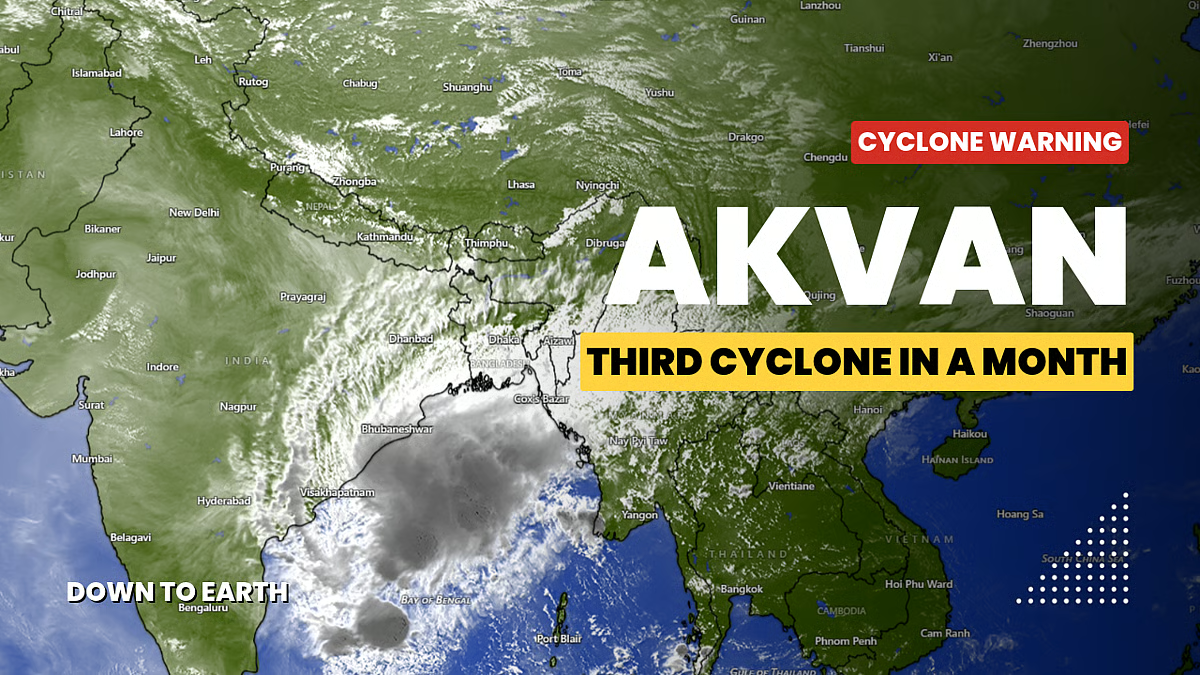
Severe Cyclonic Storm Akvan is tracking toward the coastlines of Andhra Pradesh and Odisha, triggering mass evacuations and transport disruptions as the third tropical cyclone to develop in the Bay of Bengal within a month.
In this piece
Severe Cyclonic Storm Akvan is bearing down on the coasts of Andhra Pradesh and Odisha, bringing sustained winds of up to 100 km/h. Marking the third Bay of…
A severe cyclonic storm named Akvan is advancing across the Bay of Bengal toward India's eastern coastline, putting authorities in Andhra Pradesh and Odisha on high alert. The India Meteorological Department has forecast that the cyclone will cross the coast between Narsapur in Andhra Pradesh and Puri in Odisha, passing close to Gopalpur. Meteorologists project the system will pack sustained wind speeds between 90 and 100 kilometers per hour, with peak gusts reaching up to 110 kilometers per hour at landfall.
The development marks the third tropical cyclone to emerge in the Bay of Bengal within a single month, following closely behind earlier systems Arnab and Murasu. This rapid succession of cyclonic disturbances has placed heightened strain on regional disaster management apparatuses across the northern and central eastern seaboard. Meteorologists note that consecutive storms in such a condensed window reflect unusually active atmospheric and oceanic conditions across the basin during the late post-monsoon period.
In response to the approaching weather system, disaster response authorities in both states have initiated widespread evacuation protocols for communities residing in low-lying and exposed coastal regions. Tens of thousands of residents are being relocated to designated multipurpose cyclone shelters and reinforced public facilities. State administrations have mobilized dedicated disaster teams, including the National Disaster Response Force and the Odisha Disaster Rapid Action Force, to assist in immediate rescue, relief, and clearance operations.
Government officials in several high-risk coastal districts have ordered the precautionary temporary closure of educational institutions and community child-care centers to ensure public safety. Local district administrations have established round-the-clock emergency control rooms to continuously track the storm's trajectory and coordinate ground-level interventions. Fishermen across the entire coastal belt have been advised to suspend all marine activities and remain onshore until weather conditions stabilize.
The anticipated severe weather has also prompted precautionary adjustments across regional transport and logistics networks. Railway authorities have preemptively cancelled, diverted, or rescheduled several long-distance passenger and express train services operating along the busy east coast trunk routes. Flight operations at major regional airports serving the coastal corridor, including Visakhapatnam and Bhubaneswar, have faced schedule alterations and cancellations as airlines implement severe-weather contingencies.
Agricultural and municipal authorities are closely monitoring the potential impacts of heavy downpours and storm surges on standing crops and drainage infrastructure. Torrential rainfall associated with the cyclone's outer bands is expected to lash coastal districts, raising the risk of localized waterlogging, flash flooding, and damage to unharvested paddy fields. Coastal sea walls and vulnerable embankments are being inspected by irrigation and public works teams to identify points of vulnerability before the storm makes contact.
The Bay of Bengal typically witnesses heightened cyclonic activity between October and December, but the arrival of three distinct named systems in such a short timeframe represents an exceptionally intense cluster. Disaster managers emphasize that while modern forecasting and early warning systems have drastically reduced loss of life compared to historic storms, cumulative infrastructure stress remains a serious concern. Repeated exposure to saline flooding, strong winds, and heavy rainfall within weeks challenges local economic recovery and rehabilitation.
Emergency agencies remain on full standby as the cyclone nears the coast, with medical facilities, power restoration crews, and emergency relief stockpiles pre-positioned in vulnerable administrative blocks. State leaders have urged citizens to closely monitor official meteorological bulletins, avoid sharing unverified rumors, and adhere to administrative safety guidelines. Weather forecasters expect the cyclonic storm to gradually weaken into a deep depression as it moves inland following landfall, though lingering heavy rain is expected to persist across the interior districts.
Primary source: Google News Andhra Pradesh. Newzly rewrites and structures source reporting for clarity; verify critical details at the original.