Debabrata Saikia Demands Comprehensive Audit of Politicians' Assets in Assam
Assam opposition leader Debabrata Saikia has demanded an independent audit into the assets of all state ministers and MLAs from 2016 to 2026, urging the government to enact special anti-corruption legislation.
In this piece
Assam Leader of the Opposition Debabrata Saikia has called for an independent audit of declared assets belonging to all state ministers and legislators between…
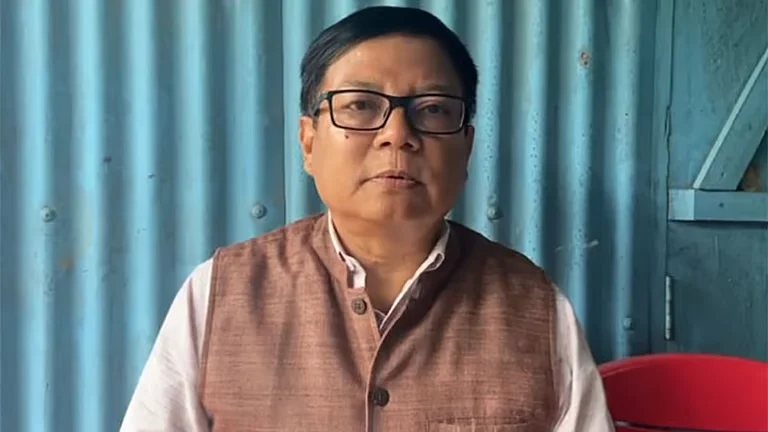
Senior Congress leader and Leader of the Opposition in the Assam Legislative Assembly Debabrata Saikia has called for an independent, comprehensive audit of the declared assets of all state ministers, sitting legislators, and former lawmakers spanning the past decade. Speaking from Nazira, the senior legislator urged the state administration to substantiate its stated zero-tolerance stance against graft through immediate, verifiable scrutiny of political wealth accumulated between 2016 and 2026. The demand seeks to hold elected officials across the political spectrum accountable for disproportionate increases in their personal fortunes.
Under Saikia's proposed oversight framework, financial disclosures submitted by public representatives would be rigorously cross-referenced against official filings from the Income Tax Department and the Election Commission of India. He argued that routine affidavit submissions during election cycles are insufficient without proactive forensic examination to detect undeclared income and irregular wealth spikes. The review would encompass current and former Members of the Legislative Assembly across both ruling and opposition parties.
The senior Congress leader directly challenged the economic claims advanced by the ruling Bharatiya Janata Party and its promoted double-engine governance narrative. Saikia alleged that while ordinary households across Assam grapple with escalating living expenses, job scarcity, and inflation, select political leaders have experienced rapid financial growth. He stressed that genuine economic progress must reflect across the broader public rather than concentrating within political circles.
To give legal teeth to anti-graft enforcement, Saikia urged the Assam government to introduce robust legislation modeled after the Bihar Special Courts Act, 2009. That landmark legal framework provides for the establishment of specialized courts dedicated exclusively to expediting trials of public officials accused of disproportionate asset accumulation. Saikia noted that standard judicial pathways often suffer from lengthy delays, allowing corruption cases to drag on for decades without resolution.
A crucial component of the proposed legal framework includes statutory powers enabling authorities to confiscate illicitly acquired assets while cases remain under trial, subject to judicial oversight. Saikia argued that preventing accused figures from enjoying the fruits of alleged corruption during protracted proceedings is essential for deterrence. Such mechanisms, he contended, would restore public confidence by demonstrating that ill-gotten wealth cannot be sheltered behind bureaucratic delays.
The call for an asset audit forms the centerpiece of a comprehensive five-point anti-corruption agenda presented by the opposition leader. In addition to statutory courts and asset verification, the proposal demands greater institutional transparency regarding ongoing probes by state vigilance and anti-corruption directorates. Saikia emphasized that investigations into high-profile political figures must be conducted independently, shielded from executive discretion or political favoritism.
The demand highlights broader structural concerns regarding political finance and the enforcement of transparency standards across Indian state politics. While candidates are legally mandated to declare their assets and liabilities when filing election nomination papers, critics have long pointed out that enforcement bodies rarely initiate retrospective audits of asset growth during legislative tenures. Saikia asserted that regular public audits would elevate ethical standards and set a progressive precedent for regional governance.
Political observers view Saikia's initiative as a concerted push to place financial transparency and governance accountability at the forefront of the state's political discourse ahead of upcoming electoral contests. The opposition has repeatedly sought to challenge the administration on institutional integrity and public procurement practices. By framing the demand to cover legislators from all political factions, the opposition leader aims to preempt charges of selective political targeting.
The state government and ruling party leadership have not yet issued an official response to the five-point charter of demands or the call for specialized court legislation. Analysts suggest that any move to mandate forensic audits or adopt special court statutes will require substantial legislative consensus within the state assembly. For now, the proposal has reignited statewide debate over the financial accountability of lawmakers and the credibility of official anti-corruption pledges.
Primary source: Google News Assam. Newzly rewrites and structures source reporting for clarity; verify critical details at the original.