Decades Later, CBS Classic The Munsters Still Showcases TV's Funniest Vampire
A fresh retrospective on CBS's classic 1964 sitcom The Munsters highlights the 70-episode series and crowns Grandpa Munster as television's most entertaining vampire, curating the comedy's top five standout episodes.
In this piece
Decades after its 1964 debut on CBS, classic sitcom The Munsters continues to draw acclaim for its inventive monster comedy. A new retrospective singles out…
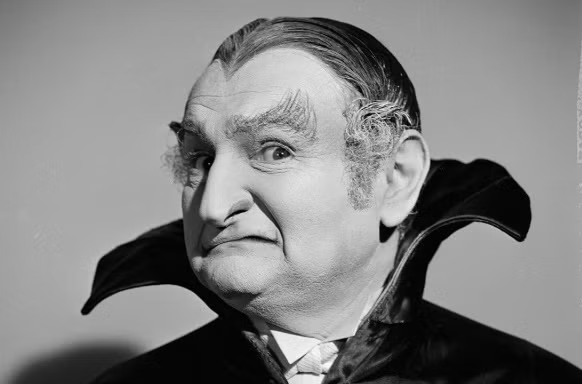
Decades after its original network broadcast, CBS's classic 1964 sitcom The Munsters is receiving fresh critical attention for its enduring comedic brilliance. A retrospective appraisal published by Polygon highlights the legendary 70-episode comedy series, singling out Grandpa Munster as the production's funniest and most memorable presence while curating the program's five best episodes.
The critical assessment argues that despite generations of evolving television vampires, the eccentric patriarch remains uniquely entertaining and unmatched in charm. Rather than relying on gothic dread or brooding melodrama, the character established a sharp, fast-paced comedic identity that continues to distinguish the mid-century comedy from other monster-themed productions of its era.
Premiering on CBS in the autumn of 1964, The Munsters delivered an influential 70-episode run that chronicled the domestic routines of an unusual yet thoroughly wholesome household. The show drew its primary humor from the stark contrast between traditional suburban American domesticity and classic horror-inspired aesthetics, presenting the monstrous family as blissfully unaware of their oddity.
At the heart of that comedic formula was Grandpa Munster, whose character reimagined centuries-old vampire mythology through a lighthearted, domestic lens. His basement laboratory experiments, sarcastic wit, and chaotic misadventures consistently generated the situational friction that drove many of the program's most celebrated storylines.
Polygon's retrospective spotlights five defining episodes that best showcase this eccentric dynamic, examining how the writing maximized the character's comedic potential. While the overall series relied heavily on situational gags and physical comedy, the curated episodes illustrate how character-driven dialogue and timing helped elevate the show beyond standard creature parodies.
The renewed focus on the 70-episode library underscores the remarkable staying power of 1960s network comedy in the modern digital era. Even as contemporary entertainment frequently leans toward gritty supernatural drama or psychological horror, the cheerful subversion championed by The Munsters retains a beloved place in pop culture history.
Television historians and cultural critics often point to the series as a prime example of how short-lived broadcast programs can cultivate lasting cultural footprints. Despite airing for only two seasons during its original run, the compact catalog has sustained multi-generational recognition through decades of continuous television syndication and critical reexaminations.
Media observers note that classic television retrospectives serve an important role in preserving awareness of foundational comedic storytelling for contemporary viewers. In an era dominated by sprawling cinematic universes and complex prestige dramas, half-hour vintage comedies provide direct, accessible humor rooted in strong ensemble chemistry and inventive premises.
As retrospective reviews continue to celebrate its sharpest comedic highlights, The Munsters retains its status as a timeless staple of classic American broadcasting. For both lifelong enthusiasts and curious audiences exploring the 70-episode catalog, Grandpa Munster remains an enduring proof of how creative parody can transform traditional folklore into unforgettable television history.
Primary source: Polygon. Newzly rewrites and structures source reporting for clarity; verify critical details at the original.